

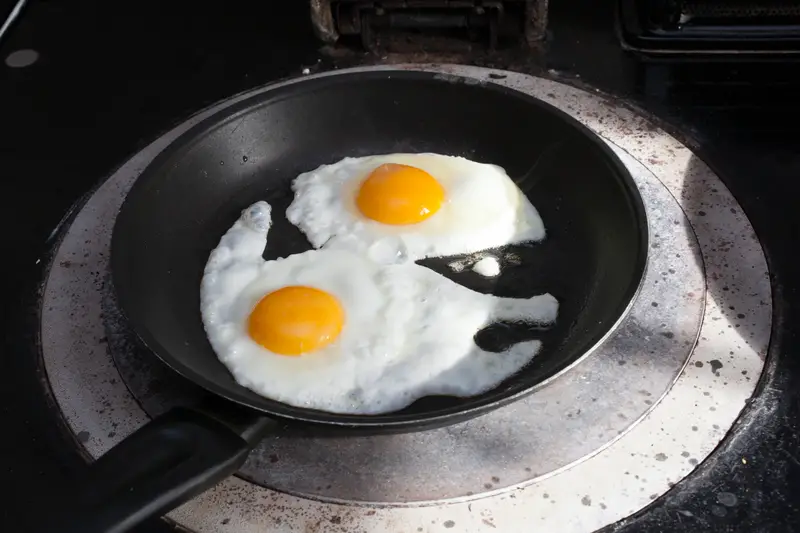
Most of us learned to fry an egg the same way: drop a pat of butter in a hot pan, crack the egg, wait for the edges to set, and call it breakfast. And look, a butter egg is fine. But somewhere along the way I stopped reaching for the butter dish, and now I honestly can’t go back. The fat you cook your egg in matters more than almost anything else you do at the stove, and there’s one bottle that beats butter and olive oil so thoroughly it feels a little unfair.
That bottle is toasted sesame oil. Not the big jug of vegetable oil, not fancy extra virgin, not a stick of Kerrygold. A half teaspoon of sesame oil turns a plain fried egg into something with a nutty, savory, almost roasted depth that you’ll want over rice, toast, ramen, or straight off the spatula. If you’ve never tried it, this is the low-effort upgrade you didn’t know your morning needed.
Why Butter and Olive Oil Let You Down
Here’s the problem with butter. It smells amazing for about thirty seconds, then it turns on you. Butter starts browning and smoking around 300 degrees Fahrenheit, which means it goes from golden and nutty to bitter and burnt in the time it takes you to grab a plate. If you want crispy, lacy edges on your egg, you usually get burnt milk solids instead. The timing window is brutally short. Milk solids start browning nearer 250 degrees, and the smoking follows at around 300.
Olive oil handles heat a little better, but it brings its own baggage. A good extra virgin oil is grassy, peppery, and kind of sharp, which is lovely on a salad and a bit much on a delicate egg first thing in the morning. Nobody wants their breakfast tasting like the bottom of a salad bowl. There are other fats people swear by, from avocado oil to bacon grease, but none of them layer flavor onto the egg the way sesame oil does.
Sesame Oil Is Already Half a Pantry Staple
This isn’t some rare specialty ingredient you have to hunt down at a gourmet store. Most grocery chains carry sesame oil in the international aisle, usually right by the soy sauce. Kadoya is a solid, widely available brand, and honestly a store brand works great when you’re just starting out. It costs more per ounce than butter or olive oil, but you use so little that a bottle still works out cheap per egg. We’re talking about half a teaspoon each.
The idea isn’t new, either. A fried egg over hot rice is a standard morning plate across a lot of Asian home cooking, and in Korean kitchens sesame oil is what makes the whole thing sing. If you’ve ever had a runny yolk break over warm rice with a little soy sauce, you already know the magic. Sesame oil just cranks that up.
Light vs. Toasted: Know the Difference
There are two kinds of sesame oil, and mixing them up is where people get frustrated. Light sesame oil is pressed from raw seeds. It’s pale gold, mild, and can take higher heat, so it works as a general cooking oil. Toasted sesame oil is pressed from roasted seeds. It’s dark amber, intensely nutty, and technically meant as a finishing oil because it has a lower smoke point, closer to 350 degrees Fahrenheit. That smoke point scares some people off.
Here’s the thing, though. A perfect fried egg cooks over medium or medium-low heat, and that’s nowhere near hot enough to burn toasted sesame oil. So you can absolutely fry directly in the toasted stuff. If the flavor feels too strong for you, cut it with a little neutral oil, or start with light sesame oil in the pan and drizzle a few drops of toasted on at the end. Either way you get that roasted, nutty payoff without any bitterness. One housekeeping note before you start: sesame is one of the nine major allergens the US now labels for, so this is not a swap to make for a guest without asking.
How to Fry the Perfect Sesame Oil Egg
The technique barely changes from how you already fry an egg. The oil is the only real swap. Heat about half a teaspoon of toasted sesame oil in a small nonstick pan over medium-low, somewhere in the 250 to 300 degree range, until it loosens and slides easily. You do not want it shimmering, because that means you have gone past the point where it stays sweet. A nonstick or well-seasoned pan really matters here, because it keeps the egg whites from grabbing the metal and tearing when you go to move it. Crack in one large egg, hit it with a pinch of kosher salt, and let it cook to whatever doneness you like.
For a runny yolk with set whites, leave it alone and let the bottom crisp up. Then slide it straight onto toast, a plate, or a warm bowl of rice. That’s the whole thing. The nutty flavor hits immediately, wrapping around the whites without ever fighting the yolk. You’ll notice it in the very first bite.
The Sesame Seed Crust Trick
If you want to push the sesame flavor even further without drowning the egg in oil, this is my favorite move. Once the oil is hot, sprinkle a teaspoon of sesame seeds into the pan before you add the egg. Then crack the egg right on top. The seeds toast in the oil and press into the bottom of the white, giving you a crunchy, gorgeously nutty crust. You can even flip the egg for a few seconds to set the seeds on top too.
This trick solves a real problem. It’s tempting to just pour in a ton of sesame oil for maximum flavor, but too much oil makes the egg spongy and can dry out the yolk. The seeds let you keep the oil amount reasonable while still getting big, bold sesame flavor plus a texture that plain fried eggs just don’t have.
Toppings That Make It Sing
A sesame oil egg is great on its own, but it plays nicely with a few finishing touches. A drizzle of soy sauce leans right into the savory side. A shake of furikake, the Japanese rice seasoning with seaweed and sesame, is a natural match, though a lot of varieties have dried bonito in them alongside the seaweed and sesame, so check the label if you are cooking vegetarian. Want heat? A squeeze of sriracha or a spoonful of chili crisp turns it into something you’ll crave. That umami depth carries a grain bowl too.
Beyond breakfast, this egg belongs on top of bibimbap, folded into fried rice, or dropped over a bowl of instant ramen to make it feel a lot less sad. Once you have sesame oil in the house, you’ll start finding excuses to use it. Stir-fried greens, shrimp, eggplant. It earns its shelf space fast.
Mistakes to Avoid
The biggest mistake is cranking the heat. Sesame oil rewards patience, and blasting the pan on high will scorch it and give you a bitter, unpleasant taste that wrecks the whole aroma. Keep it at medium or medium-low and you’re golden. The second mistake is overpouring. You need a lot less oil than you think, and more just makes the egg greasy.
One more tip: store your sesame oil in a cool, dark cabinet away from the stove, not right next to the burners where it gets warm. Heat and light break it down and turn it stale. Kept properly, an opened bottle stays fresh and fragrant for six months or so. Buy small until you’re sure you love it, then never look back.
Frequently Asked Questions
Q: Won’t the sesame oil burn since it has a low smoke point?
A: No. A perfect fried egg cooks over medium or medium-low heat, which stays well below the point where toasted sesame oil starts to break down. As long as you don’t crank the burner to high, you’re fine.
Q: Should I use light or toasted sesame oil?
A: Toasted gives you the deep, nutty flavor most people are after, and it works great at low egg-frying temperatures. If the flavor feels too strong, cut it with a little neutral oil or use light sesame oil in the pan and drizzle toasted on at the end.
Q: How much sesame oil do I actually need per egg?
A: About a half teaspoon per egg is plenty. It’s a small amount that goes a long way, which makes one bottle last a very long time. Using too much just makes the egg greasy and spongy.
Q: What if I don’t want to eat it over rice?
A: The egg is fantastic on toast, tucked into a grain bowl, dropped over ramen, or folded into fried rice. The nutty flavor works with just about anything savory, so use it however you’d use a regular fried egg.
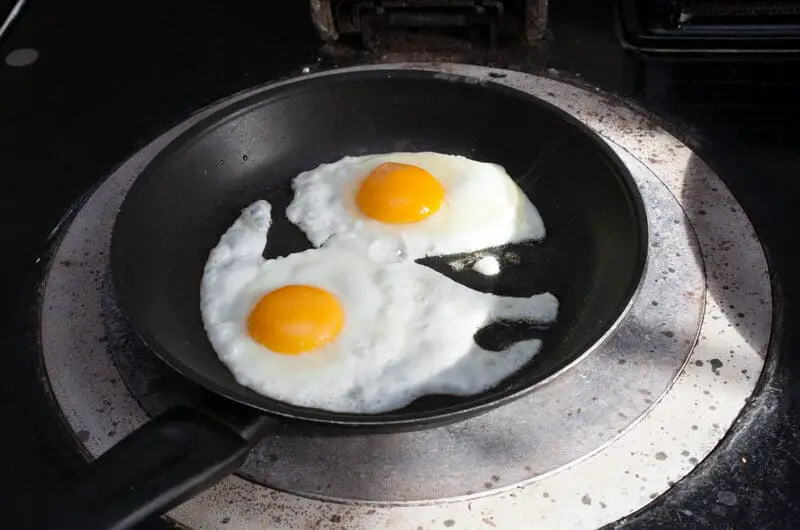
Sesame Oil Fried Eggs Over Rice
Course: Breakfast2
servings3
minutes5
minutes180
kcalThe one-ingredient swap that beats butter and olive oil every single time.
Ingredients
2 large eggs
1 teaspoon toasted sesame oil
1/2 teaspoon neutral oil like canola or avocado (optional)
Pinch of kosher salt
1 teaspoon sesame seeds (optional, for a crust)
1 cup cooked white rice, warm
1 teaspoon soy sauce
Furikake or sriracha, to taste
1 green onion, thinly sliced
Directions
- Spoon the warm cooked rice into two bowls and set them aside while you cook. Having the rice ready means you can slide each hot egg straight on top the second it comes out of the pan.
- Heat the toasted sesame oil in a small nonstick pan over medium-low heat until it shimmers. If you want a milder flavor, add the neutral oil to the pan along with the sesame oil to cut the intensity.
- For a nutty crust, sprinkle the sesame seeds into the hot oil and let them sizzle for a few seconds. They will toast quickly and press into the bottom of the egg white for extra crunch.
- Gently crack one egg into the pan, then crack in the second, keeping them slightly apart. Season each with a small pinch of kosher salt right away so it melts into the whites.
- Let the eggs cook undisturbed until the whites are fully set and the edges start to crisp and turn golden. Keep the heat at medium-low so the sesame oil never scorches or turns bitter.
- For a runny yolk, pull the eggs now. For a crusted top, flip each egg for just five to ten seconds, then flip it back so the yolk stays soft.
- Slide one egg onto each bowl of warm rice. Drizzle the soy sauce over the top, letting some run down into the rice.
- Finish with a shake of furikake or a squeeze of sriracha and a scatter of sliced green onion. Break the yolk open so it coats the rice and eat right away while everything is hot.
Notes
- Keep the heat at medium or medium-low. High heat scorches sesame oil and turns it bitter fast.
- Use a nonstick or well-seasoned pan so the egg whites release cleanly instead of tearing.
- Store your sesame oil in a cool, dark cabinet away from the stove so it stays fresh for a couple of months.
