

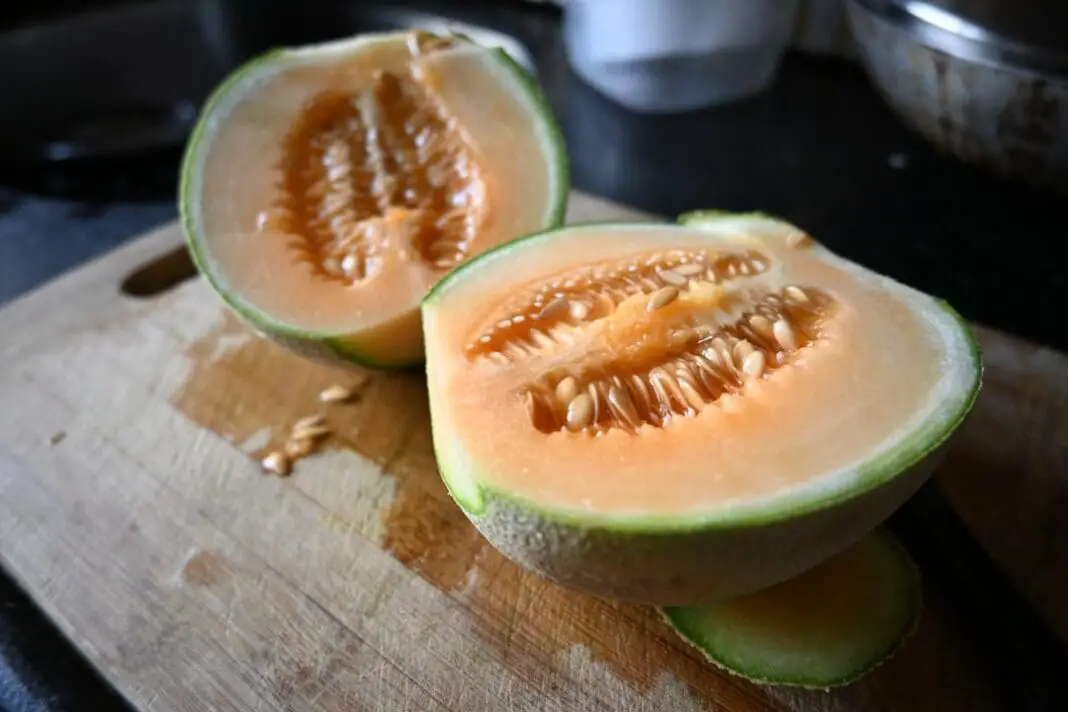
There’s probably a melon sitting in your kitchen right now. Maybe a watermelon you grabbed for the weekend, or a cantaloupe you keep meaning to slice up before it goes soft. And I’d bet money you’re about to do the same thing almost everyone does the second they get one home. You’re going to grab a knife and cut straight into it. Nobody thinks twice about it. You don’t eat the rind, so why would the outside matter, right? That’s exactly the logic that gets people in trouble, and once you understand why, you’ll never skip this one quick step again.
The Step Almost Nobody Bothers With
Wash the melon before you cut it. That’s it. That’s the whole thing. Give the outside a real scrub under cool running water before your knife ever touches it. Most people rinse an apple or a bunch of grapes without a second thought, but a melon? It goes straight from the grocery bag to the cutting board. The logic feels solid because you’re tossing the rind anyway. But the outside of that melon has had a rough life. It grew sitting right on the dirt, got loaded onto trucks, sat in a warehouse, went on display, and got picked up and squeezed by who knows how many shoppers before you took it home. By the time it lands on your counter, that rind has been touched dozens of times. Food safety pros say washing melons is a non-negotiable step, not a nice-to-have. And it takes about thirty seconds.
Your Knife Is The Real Problem
Here’s the part that clicks it into place for people. It’s not that the rind is dirty. It’s what the knife does. When you slice through an unwashed melon, the blade drags whatever is sitting on that surface straight into the flesh you’re about to eat. You throw the peel in the trash, sure, but the knife already passed through it and into the sweet part inside. Researchers actually tested this by putting bacteria on melon skins and then slicing them like anyone would at home. The result? Every single one of those germs moved from the peel into the interior during cutting. So the rind being uneaten doesn’t save you. The knife is the delivery truck, and it drives right past the part you tossed and into the part on your plate. Once you picture that, washing first stops feeling like overkill and starts feeling like plain common sense.
Cantaloupe Is The Worst Offender
If watermelon is a B student here, cantaloupe is the kid getting called into the principal’s office. Look at the outside of a cantaloupe. That rough, netted, tan webbing isn’t just for looks. It forms naturally as the fruit grows and creates a bumpy surface full of tiny cracks and crevices. Those little grooves are perfect hiding spots. A smooth watermelon rind is easy to rinse clean, but cantaloupe’s rough skin can trap germs down in those fissures where a quick splash of water won’t reach them. That’s why cantaloupe shows up over and over in food poisoning stories while honeydew and watermelon mostly stay out of the news. Same fruit family, very different risk. So if you’re cutting a cantaloupe, this whole conversation matters even more. A lazy rinse isn’t enough for that netted skin, and I’ll get to what actually works in a second.
The Outbreaks That Made Experts Care
This isn’t theoretical hand-wringing. There’s a real track record here. Back in 2011, cantaloupes from Jensen Farms were tied to an outbreak that infected 147 people across 28 states and became one of the deadliest foodborne events in modern American history. In 2023, another cantaloupe outbreak sickened 407 people across 44 states. And it keeps happening. There was a recall in early 2026 tied to imported cantaloupe that spread across 25 states before it was over. A food safety litigator has literally built part of his career suing companies over contaminated melon. The reason these keep landing on cantaloupe and not, say, bananas comes back to that rough rind, the fact that the fruit grows on the ground, and the reality that you eat it raw. There’s no cooking step to clean things up later. What you do before the knife goes in is the whole game.
How To Actually Wash A Melon Right
Good news: you don’t need soap, bleach, fancy sprays, or a special produce wash. Skip all of that. Just run the melon under cool water and scrub the whole outside with a clean brush. The friction is what does the work, knocking loose whatever is clinging to the surface. You can use the same kind of stiff brush people use on potatoes. No need to buy anything with the word “produce” on the label at three times the price. Get the entire exterior, then dry it off with a clean paper towel. Drying isn’t just fussiness. Wiping it down helps take off anything the scrubbing loosened up, and a dry melon is easier to grip so the knife doesn’t slip. Thirty seconds of scrubbing and a quick pat down, and you’ve done the most important thing on this entire list.
Don’t Forget The Knife And The Board
Washing the melon does no good if you set it down on a cutting board that just held raw chicken. Start with a clean, dry board and a clean knife. And here’s a detail even careful home cooks skip: wash the knife again after your first cut through the rind. Think about it. Your blade just went through the skin. If you keep slicing with that same knife, you’re potentially dragging surface stuff into every wedge after that. A quick rinse of the knife between steps stops that from happening. It’s also smart to keep a separate cutting board for fruits and vegetables so it never touches raw meat juices. None of this is complicated. It’s the same clean-as-you-go habit that makes any kitchen run better, just applied to the one fruit that actually needs it.
Chill It Before, And Chill It After
Two temperature rules that a lot of people never hear about. First, cut your melon when it’s cold. Pre-chilling before slicing is one of those quiet steps that makes a real difference, so keep the whole melon in the fridge and cut it straight from there instead of letting it sit warm on the counter all afternoon. Second, once it’s cut, get it back in the fridge fast. Cut melon sitting out at room temperature is basically an open invitation, and the standard rule is that if it’s been out for more than two hours, toss it. Store the cut pieces in an airtight container in the fridge at 40 degrees or below, and plan to eat them within a couple of days. This matters at your next cookout too. That bowl of watermelon cubes baking in the sun by the grill is exactly the setup to avoid.
Be Picky About Those Pre-Cut Tubs
I get the appeal of grabbing a plastic tub of ready-cut melon chunks. No mess, no scrubbing, no leftover half-melon rolling around your fridge. But those pre-cut containers skip your control over how the fruit was washed and handled before it got sliced. The one hard rule if you do buy them: never grab cut produce that isn’t sitting in a refrigerated case. If those tubs are stacked on a room-temperature table in the middle of the produce section, walk on by. And remember, contaminated fruit looks and smells completely normal. You can’t eyeball your way to a good one. Honestly, buying a whole melon and doing the thirty-second scrub yourself gives you way more say over the outcome, and it’s usually cheaper per pound anyway.
The Takeaway
So the next time you bring home a melon, don’t reach for the knife first. Reach for a brush. Scrub the outside under cool water, dry it off, use a clean knife and board, rinse that blade after the first cut, and keep the pieces cold. It sounds like a lot written out, but it adds up to maybe a minute of extra effort for something you’re going to feed your family. Cantaloupe especially deserves the attention thanks to that rough, webbed skin. The fruit itself is great. You just want to make sure the only thing you’re serving is the melon, and nothing that hitched a ride on the way to your counter.
