

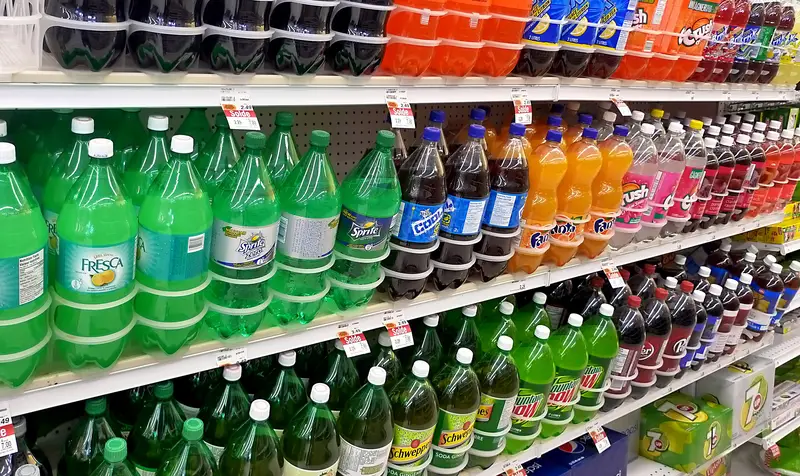
Soda rankings are everywhere these days, with people testing everything from classic colas to obscure brands you’ve never heard of. One recent ranking put 72 different sodas to the test, and the results might surprise you. When someone actually sat down and tried every single option from those massive freestyle machines, Tropical Vitamin Water came in dead last. The person doing the testing admitted they’d never even tried vitamin water before, which probably didn’t help, but the verdict was harsh: it tasted like cough syrup and wasn’t even carbonated.
Tropical Vitamin Water failed the carbonation test
The main complaint about Tropical Vitamin Water wasn’t just that it tasted bad. The bigger problem was that it showed up to a soda fight without any bubbles. When you’re standing at one of those freestyle machines, you’re expecting carbonation. That’s the whole point of getting soda instead of juice or water. This drink came out flat, which immediately put it at a disadvantage compared to literally every other option available. The tester noted feeling surprised and disappointed by the lack of fizz, which definitely affected how they ranked it.
Beyond the missing bubbles, the medicinal taste sealed its fate at the bottom of the list. Nobody wants their drink to remind them of being sick, especially when they’re just trying to enjoy a meal. The combination of these two factors made Tropical Vitamin Water the clear loser in a field of 72 competitors. Even other vitamin water options ranked higher, though Orange Vitamin Water only managed to climb one spot to number 71. It turns out that vitamin water just doesn’t belong in the same category as actual soda.
Orange Vitamin Water barely escaped last place
Coming in at number 71, Orange Vitamin Water didn’t fare much better than its tropical counterpart. The description painted it as orange soda that forgot its main ingredient. Imagine expecting that bright, zingy orange taste and instead getting something flat and forgettable. The tester described it as technically being orange soda, but lame. That’s not exactly a ringing endorsement when you’re competing against dozens of other options that actually deliver on their promises.
The problem with both vitamin water options seems to be that they’re trying to be something they’re not. People don’t go to soda machines looking for vitamin-enhanced beverages. They want something bubbly, sweet, and refreshing. When a drink markets itself as part of the soda lineup but doesn’t have carbonation, it’s setting itself up for disappointment. The Orange Vitamin Water at least had a recognizable orange taste, which is probably why it managed to edge out the tropical version by one spot. Still, finishing in the bottom two out of 72 options is nothing to celebrate.
Hi-C drinks disappointed across the board
Hi-C used to be a lunchbox staple for kids everywhere, but the fountain machine versions didn’t hold up well in this ranking. Grape Hi-C landed at number 70, with complaints about a weird smell and bland taste. Orange Hi-C came in at 69, also described as lacking that special something. Cherry Hi-C rounded out the bottom performers at number 68, with the tester noting it tasted like straight cough syrup. These were especially disappointing because people remember Hi-C fondly from childhood.
What’s interesting is that Hi-C flavors did better later in the ranking. Strawberry Hi-C made it to number 46, and Fruit Punch Hi-C climbed all the way to number 24. Even Orange Vanilla Hi-C landed at a respectable number 41. This suggests that maybe the machine was having issues with certain flavors, or perhaps the classic fruit flavors just don’t translate well to fountain dispensers. The inconsistency across Hi-C options shows that even within the same brand, quality can vary wildly depending on which specific variety you choose.
Powerade flavors mostly flopped in the rankings
Sports drinks like Powerade don’t usually compete directly with sodas, but when they’re in the same machine, comparisons happen. Orange Powerade landed at number 67, described as smelling like orange soda but tasting like a watered-down version. Tropical Fruit Powerade came in at 66, earning the lukewarm assessment of being drinkable if it was the only option at a party. Strawberry Powerade hit number 61, compared to boring cough syrup. These rankings show that Powerade just doesn’t bring enough to compete with actual sodas.
The highest-ranking Powerade was Lemon, which made it to number 29. That’s still not great when you consider there were 72 total options tested. The tester noted that Lemon Powerade reminded them of lemon La Croix, which makes sense since both are trying to be refreshing without being overly sweet. Cherry Powerade did slightly better than its fruit-punch counterparts at number 56, but even that was described as merely pleasant. The overall message is clear: if you’re at a soda fountain looking for something exciting, skip the sports drinks entirely.
Cream soda rankings varied wildly by brand
Cream soda is one of those drinks that people either love or hate, and the rankings reflected that divide. Regular Cream Soda from the freestyle machine ranked at number 64, with the tester wondering if they’d consumed too much soda by that point or if the machine was out of syrup. It apparently tasted like plain seltzer water, which is about as far from cream soda as you can get. Meanwhile, other cream soda varieties did much better, with Peach Cream Soda hitting number 14 and Strawberry Cream Soda landing at 37.
Different publications had their own cream soda opinions too. One extensive taste test of bottled cream sodas put C&C Vanilla Cream in last place, noting it lacked the signature creaminess that defines the category. That same ranking had Boylan Creme Soda at the top, praising its rich vanilla and robust carbonation. A&W Cream Soda also performed well in various rankings, benefiting from its old-fashioned reputation. The takeaway is that cream soda quality depends heavily on the specific brand and whether it comes from a bottle or a fountain.
Classic sodas dominated the top spots
Despite all the fancy flavors available, the traditional sodas still came out on top. Regular Dr Pepper claimed the number one spot in the 72-soda ranking, beating out all the experimental combinations and fruit punches. Cherry Coke landed at number 12, while regular Coke hit number 25. These rankings prove that sometimes the original really is the best, even when you have dozens of variations to choose from. The classic sodas have spent decades perfecting their formulas, which gives them a huge advantage.
Other comprehensive rankings backed this up. When testing cola brands specifically, Coca-Cola came out on top, described as the king of colas. Orange Crush won the orange soda category, beating out Fanta and other competitors. 7UP surprisingly beat Sprite for the best lemon-lime soda title. These results suggest that while it’s fun to try all the weird flavor combinations at freestyle machines, you’re usually better off sticking with what you know. The classic sodas earned their status for a reason, and they consistently outperform the newcomers.
Fruit-flavored sodas were hit or miss
Fruit sodas had the widest range of rankings, from terrible to excellent. Grape Fanta hit number 31, making it the best grape soda in the bunch. Peach Fanta came in at 15, while Pineapple Fanta landed at 27. On the flip side, Cherry Fanta only made it to number 55, and Classic Fanta disappointed at number 58. The inconsistency within the same brand shows how much individual flavors matter. Just because you like one Fanta variety doesn’t mean you’ll enjoy another.
Strawberry flavors appeared across multiple brands with varying success. Strawberry Fanta hit number 50, Strawberry Sprite made it to 43, and Strawberry Dr Pepper climbed to number 10. The strawberry versions generally performed better than their cherry counterparts, possibly because strawberry doesn’t have the same medicinal association. Pineapple options also did well, with Pineapple Sprite reaching number 11. The lesson here is that fruit sodas can be great, but you need to know which specific combinations work. Don’t assume that because you hate cherry sodas, you’ll hate all fruit varieties.
Diet sodas faced their own challenges
The original 72-soda ranking excluded diet and zero-sugar options because the tester found that aspartame caused stomach issues. However, other rankings included diet sodas and found some pleasant surprises. Sunkist Orange Zero Sugar won the best diet soda category in one comprehensive test, with reviewers noting it didn’t have that typical chemical aftertaste. Diet Stewart’s Root Beer also performed well, praised for being rich and spiced without the cloying sweetness that plagues many diet sodas.
The challenge with diet sodas is managing expectations. People know they’re not getting real sugar, so the question becomes whether the artificial sweetener ruins the experience. Some diet sodas mask the fake sugar taste better than others, usually by having strong flavors that overpower it. Orange and root beer varieties tend to do better in diet form than colas or lemon-lime options. If you’re watching calories but still want soda, your best bet is choosing a bold flavor that can stand up to the artificial sweetener rather than subtle varieties where the sweetener becomes the main taste.
Specialty sodas offered unique alternatives
Beyond the mainstream brands, some specialty sodas earned high marks in various rankings. Boylan sodas consistently performed well across multiple categories, with their cream soda taking top honors and their root beer also ranking highly. Dr. Brown’s Root Beer won its category in one test, praised for its earthy celery seed notes that set it apart from sweeter competitors. Sprecher Ginger Ale beat out Canada Dry, surprising ginger ale fans who swore by the traditional choice.
These craft sodas often come in glass bottles and cost more than mainstream brands, but the rankings suggest they might be worth it. Barritt’s Ginger Beer won for having authentic ginger burn, while Q Club Soda topped the carbonated water category for its tiny, active bubbles. Even newer brands like Olipop made strong showings, with their cream soda praised for tasting like an ice cream float despite being marketed as a healthier option. The specialty soda market keeps growing because these brands focus on quality ingredients and distinctive tastes rather than trying to be everything to everyone.
Next time you’re standing at a soda fountain wondering what to pick, remember that Tropical Vitamin Water sits at the bottom for good reason. The lack of carbonation and medicinal taste make it a poor choice when you have 71 other options. Stick with the classics if you want reliability, or branch out to fruit sodas if you’re feeling adventurous. Just maybe avoid anything labeled as vitamin water when you’re actually craving soda.
