

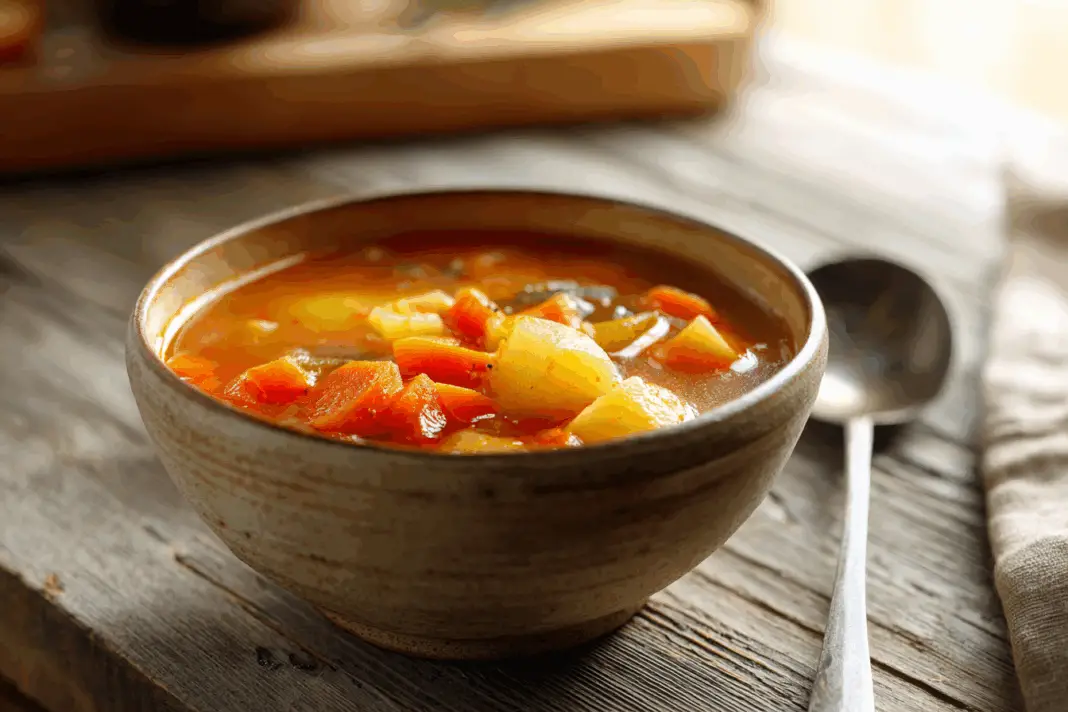
Most people think soup requires fancy stock or a long list of ingredients, but that’s not true at all. There’s one vegetable that can transform plain water into something worth eating, and it’s probably sitting in your kitchen right now. That vegetable is the onion. Whether it’s a yellow onion, a shallot, or a leek, this simple ingredient creates the foundation that makes soup taste like soup. Once you understand how onions work their magic, you can turn almost anything in your fridge into a satisfying meal.
Why onions make everything better
Onions aren’t just filler vegetables. When you cook them slowly in a bit of oil or butter, they release natural sugars that create a sweet, rich base for any soup. This process, called sweating, breaks down the onion’s sharp raw taste and replaces it with something mellow and slightly sweet. Even if you’re using plain water instead of fancy stock, a properly cooked onion will give your soup depth and character. That’s why professional cooks always start with onions, and why your homemade soup falls flat without them.
The basic technique stays the same no matter what else you add. Heat up about a tablespoon of olive oil or butter in your pot, then add chopped onions and let them cook on medium-low heat for five to ten minutes until they turn translucent. This isn’t the time to rush things by cranking up the heat. Slow cooking brings out the sweetness and prevents burning. If you have garlic, add it too. The combination of cooked onions and garlic creates an aroma that makes everyone in the house suddenly interested in what’s for dinner.
What happens when you skip the onion
Ever made soup that tasted flat or boring even though you followed the recipe? The problem probably started right at the beginning. Soup without onions tastes one-dimensional because you’re missing that foundational layer of sweetness and aroma. Think about the difference between eating raw vegetables and eating cooked ones. Raw carrots taste like carrots, but cooked carrots with onions taste more complex. The onion acts like a connector that ties all the other vegetables together into something cohesive instead of just a pot of random ingredients floating in water.
Some people try to compensate by adding more salt or throwing in random spices, but that doesn’t fix the underlying problem. Salt makes things saltier, and spices add specific notes, but neither creates the backbone that onions provide. You need that sweet, earthy foundation before anything else makes sense. Even simple vegetable soups work better when you start with onions or their cousins like shallots and leeks. Missing this step is like trying to build a house without a foundation.
Choosing between onions, shallots, and leeks
Regular yellow onions work perfectly fine for most soups. They’re cheap, available everywhere, and have a good balance of sweetness and strength. White onions are a bit sharper, which works well in lighter soups where you want more onion presence. Red onions can work too, though they’re usually saved for raw applications since they lose their color when cooked. If you’re feeling fancy or happen to have them on hand, shallots bring a more delicate, slightly garlicky note that works beautifully in creamy soups.
Leeks deserve more attention than they get. They’re milder and sweeter than regular onions, and they add a subtle elegance to soup without being aggressive. The only downside is they need more careful cleaning since dirt gets trapped between the layers. Cut them lengthwise, fan out the layers under running water, then chop them up. Many home cooks who teach soup-making classes emphasize using whatever allium family member you have on hand. Mixing them works too. A combination of onions and leeks, or onions and garlic, adds more complexity than using just one type.
The right way to cook your onions
Chopping your onions into medium dice works best for most soups. You want pieces about half an inch across, small enough to cook through but not so tiny that they disappear. If you’re planning to blend your soup at the end, the size matters less, but for chunky soups, consistent pieces cook more evenly. Once they’re chopped, heat your pot first, then add the fat. When the oil shimmers or the butter melts and stops foaming, add the onions. You should hear a gentle sizzle, not an angry crackling sound.
Stir the onions every minute or so to prevent sticking and ensure even cooking. They’ll start out opaque and white, then gradually turn translucent as the cell walls break down and release moisture. This usually takes five to ten minutes depending on how many onions you’re cooking and how hot your stove runs. Some recipes call for browning the onions, which adds a deeper, more caramelized taste. This takes longer, maybe fifteen to twenty minutes, but it’s worth it if you have the time. Just keep the heat low and stir more frequently as they start to brown.
Building on your onion base
Once your onions are cooked, you’ve created a flavor foundation that can support almost anything. This is when you add other aromatics like garlic, ginger, or celery. These ingredients benefit from a minute or two of cooking in the onion mixture before you add liquids. Fresh herbs like rosemary or thyme go in now too, while dried herbs get added later with the liquid. If you’re using tomato paste, add it after the aromatics and cook it for a few minutes until it darkens slightly. This caramelizes the sugars and concentrates the tomato taste.
After the aromatics, add your main vegetables. Hard vegetables like carrots, potatoes, or squash need more cooking time, so they go in before soft ones like zucchini or greens. Pour in enough water or broth to cover everything by an inch or two. The liquid amount depends on how thick you want your soup. More liquid makes a brothier soup, less makes it thicker. Bring everything to a boil, then reduce to a simmer and cover the pot. Check after twenty minutes to see if the vegetables are tender.
When you absolutely don’t have an onion
Sometimes you really don’t have an onion, and the store is closed, and you still want soup. In this situation, you need to get creative with other ingredients that add depth. Mushrooms are your best bet because they have natural umami that creates richness similar to what onions provide. Slice them and cook them slowly until they release their water and start to brown. Celery is another option, though it’s more bitter than sweet. Cooking it longer helps mellow out that bitterness.
Tomato paste, even without onions, adds concentrated sweetness and acidity that helps build complexity. Cook it in oil for a few minutes before adding other ingredients. Dried mushrooms work too if you have them. Soak them in hot water, then use both the mushrooms and the soaking liquid in your soup. Miso paste stirred in at the end provides saltiness and depth. These workarounds won’t perfectly replace onions, but they’ll give you something better than plain vegetable water. Still, it’s worth keeping onions stocked in your kitchen specifically for soup-making purposes.
Making soup with minimal ingredients
The absolute minimum for decent soup is onions, water, salt, and one other vegetable. That’s it. Carrots and onions make a simple but satisfying soup. So do potatoes and onions, or squash and onions. The technique stays the same regardless of what you’re adding. Cook the onions first, add your other vegetable, cover with water, season with salt and pepper, and simmer until everything is soft. You can eat it chunky or blend it smooth. Either way, it’ll taste like actual soup instead of boiled vegetables.
Adding fat makes everything better. A tablespoon of butter stirred in at the end, a drizzle of olive oil on top, or a spoonful of cream if you have it. Acid helps too. A squeeze of lemon juice or a splash of vinegar brightens the taste and balances the sweetness from the onions. These final touches take your soup from decent to actually good. The versatility of this method means you can use whatever is about to go bad in your fridge instead of throwing it away.
Common mistakes people make with onions
The biggest mistake is cooking onions too quickly on high heat. This browns the outside before the inside softens, leaving you with burnt bits and raw centers. The burnt parts make your soup taste bitter, while the raw parts add an unpleasant sharp crunch. Another common error is not using enough onions. One small onion isn’t enough for a big pot of soup. For a standard soup serving four to six people, use at least two medium onions or one large one. More onions means more base and better soup.
Some people add the onions to cold oil or butter, which means they spend time just sitting there instead of cooking. Heat the fat first, then add the onions. Others skip salting the onions while they cook. Adding a pinch of salt early helps draw out moisture and speeds up the softening process. Not stirring enough leads to sticking and burning, while stirring too much prevents proper browning if that’s what you’re going for. Find the middle ground of stirring every minute or so, enough to prevent problems but not so much that nothing caramelizes.
Soup variations using the onion base
Once you master the basic onion-based soup, you can adapt it endlessly. Potato soup starts with onions, adds diced potatoes, and gets blended smooth with a bit of cream or milk. Minestrone starts with onions, adds tomatoes, beans, pasta, and whatever vegetables you have. Butternut squash soup starts with onions and garlic, adds cubed squash, then gets blended until silky. The pattern repeats across different soup styles because the onion foundation works universally.
Want an Asian-style soup? Start with onions, add ginger and garlic, then build from there with soy sauce and sesame oil. Mediterranean soup? Onions, garlic, tomatoes, and oregano. Mexican-style? Onions, cumin, chili powder, and lime juice at the end. The basic formula adapts to whatever direction you want to take it. This is why learning to properly cook onions for soup is more valuable than memorizing ten different soup recipes. Master the technique once, and you can improvise forever.
Soup doesn’t need to be complicated or expensive, but it does need a proper start. That start is almost always an onion cooked slowly until it transforms from sharp and raw to sweet and mellow. Everything else builds on that foundation. Keep onions in your kitchen, learn to cook them properly, and you’ll always be able to make something warm and satisfying from whatever else you have around.
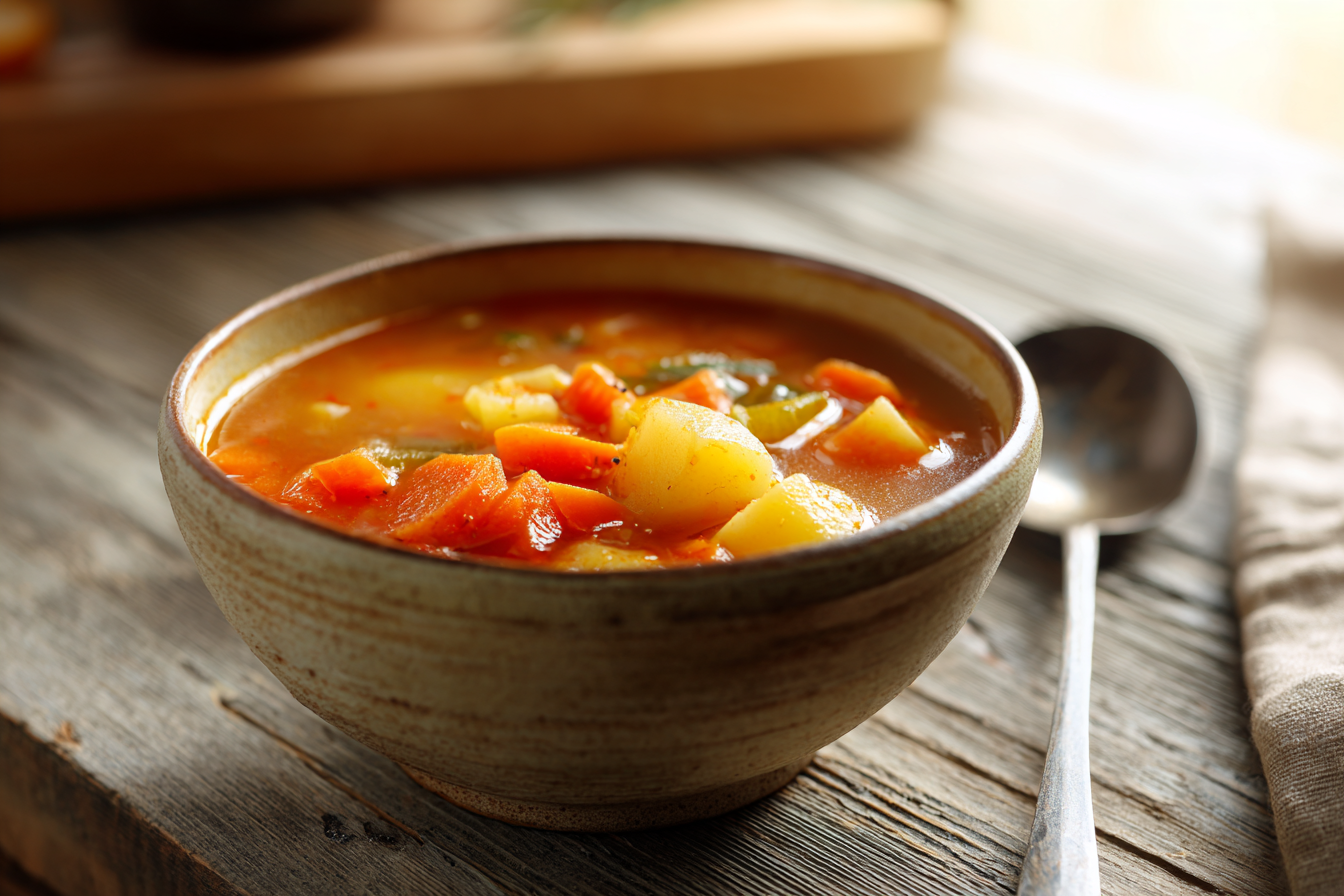
Simple Vegetable Soup with Onion Base
Course: Dinner Recipes6
servings15
minutes45
minutes120
kcalThis foolproof soup starts with properly cooked onions and transforms basic vegetables into something warm and satisfying with minimal effort.
Ingredients
2 large yellow onions, diced
3 tablespoons olive oil or butter
3 cloves garlic, minced
1 pound carrots, peeled and chopped
1 pound potatoes, diced
6 cups water or low-sodium broth
1 teaspoon salt, plus more to taste
1/2 teaspoon black pepper
1 tablespoon lemon juice or vinegar
Directions
- Heat the olive oil or butter in a large pot or Dutch oven over medium-low heat until the oil shimmers or the butter melts and stops foaming. Add the diced onions and stir to coat them in the fat. Let them cook gently, stirring every minute or so, for about 8 to 10 minutes until they become translucent and soft. Don’t rush this step by turning up the heat, as slow cooking brings out the natural sweetness.
- Add the minced garlic to the softened onions and cook for another minute until fragrant. The garlic should smell sweet and toasty, not sharp or burnt. This combination of cooked onions and garlic creates the aromatic foundation that makes your soup taste rich and complex even if you’re using just water instead of stock.
- Add the chopped carrots and diced potatoes to the pot and stir everything together. Let the vegetables cook in the onion mixture for about 5 minutes, stirring occasionally. This gives them a chance to pick up the onion sweetness and start softening around the edges. Season with the salt and black pepper at this stage so the vegetables absorb the seasoning as they cook.
- Pour in the water or broth until it covers the vegetables by about an inch. Bring the liquid to a boil over medium-high heat, then immediately reduce the heat to low and cover the pot with a lid. Let the soup simmer gently for about 30 minutes, checking occasionally, until the carrots and potatoes are completely tender and easily pierced with a fork.
- Once the vegetables are soft, turn off the heat and stir in the lemon juice or vinegar. This acid brightens all the other tastes and balances the sweetness from the onions and carrots. Taste the soup and add more salt if needed. Most soups need more salt than you think, so keep tasting and adjusting until it tastes right to you.
- At this point you can serve the soup as is for a chunky vegetable soup, or use an immersion blender to partially or completely blend it for a creamier texture. If you want it completely smooth, transfer the soup in batches to a regular blender, being careful with the hot liquid. Blend until silky, then return to the pot and rewarm gently if needed.
- Ladle the soup into bowls and add any toppings you like. A drizzle of olive oil, a dollop of sour cream or yogurt, some fresh herbs, or a sprinkle of cheese all work well. Crusty bread on the side makes it a complete meal. The soup keeps in the refrigerator for up to five days and actually tastes better the next day after all the ingredients have had time to meld together.
- To freeze the soup, let it cool completely then transfer to freezer-safe containers, leaving about an inch of space at the top for expansion. It will keep frozen for up to three months. Thaw overnight in the refrigerator and reheat gently on the stove, adding a splash of water or broth if it seems too thick after freezing.
Notes
- You can substitute or add other vegetables like celery, parsnips, sweet potatoes, or cauliflower. Just keep the total vegetable weight around 2 pounds and adjust cooking time based on how hard or soft they are.
- For a richer soup, stir in a tablespoon of butter or a splash of cream at the end. For a lighter version, skip any added fat and stick with just what you cooked the onions in.
- If you want to add dried herbs like thyme, oregano, or bay leaves, add them when you pour in the liquid so they have time to infuse. Fresh herbs should go in during the last few minutes of cooking.
- Leeks or shallots can replace some or all of the onions for a slightly different taste. Clean leeks thoroughly as dirt gets trapped between the layers.
- This recipe works with plain water, but using vegetable or chicken broth instead will make it taste even better if you have it on hand.
Frequently asked questions
Q: Can I use frozen chopped onions instead of fresh?
A: Yes, frozen onions work fine and save you chopping time. They release more water than fresh onions, so they might take a bit longer to cook down properly. Just add them to the hot oil and let them cook until the excess water evaporates and they soften.
Q: What if my onions start burning before they get soft?
A: Your heat is too high. Turn it down to low and add a splash of water to the pot to stop the burning. Stir well and continue cooking more slowly. Patience with onions always pays off better than rushing them.
Q: Do I really need to cook the onions first or can I just throw everything in at once?
A: You can throw everything in together, but your soup won’t taste as good. Cooking the onions first in fat develops sweetness and complexity that you simply don’t get when you boil raw onions in water. The extra ten minutes makes a real difference.
Q: How many onions do I need for a big pot of soup?
A: For a standard pot serving six people, use at least two medium onions or one very large one. More onions means a stronger foundation. You can’t really use too many onions in soup as long as you cook them properly.
