

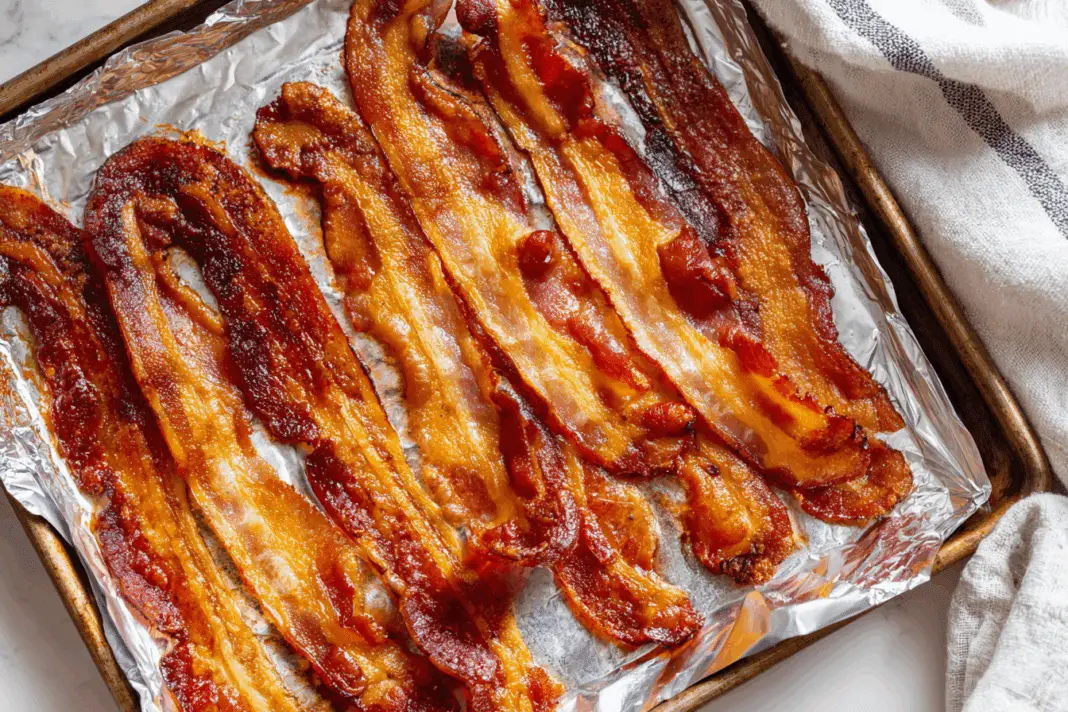
Standing over a hot stove while bacon grease pops and splatters everywhere is nobody’s idea of a good time. Most people think the oven is the safer route, but then you’re waiting around for it to preheat before you can even start cooking. What if there was a way to skip that step entirely and still end up with perfectly crispy bacon? Turns out, starting your bacon in a cold oven not only works but actually saves time and produces better results than the traditional method.
Why starting with a cold oven changes everything
The traditional method tells us to preheat the oven to somewhere between 350 and 400 degrees before sliding in our bacon. That means standing around for 10 to 15 minutes waiting for the oven to be ready. With the cold oven method, you place your bacon on a foil-lined baking sheet, stick it in the cold oven, set the temperature to 425 degrees, and walk away. The bacon cooks as the oven heats up, which means you’re not wasting any time at all. The gradual temperature increase also means the fat renders out slowly and evenly, leaving you with bacon that’s crispy without being burnt or unevenly cooked.
This method works because bacon needs time for the fat to render properly. When you throw cold bacon into an already hot oven, the outside can crisp up before the inside has had a chance to cook through. Starting cold gives everything time to heat up together. The bacon doesn’t shock from the sudden temperature change, and the fat has plenty of time to melt away slowly. The result is bacon that’s evenly cooked from edge to edge, with that perfect balance of crispy edges and just a hint of chew in the center that makes bacon so irresistible.
Setting up your baking sheet the right way
Before you start cooking, you need to line your baking sheet properly. A rimmed baking sheet is essential because bacon releases a lot of fat as it cooks, and you don’t want that dripping into your oven and creating a smoky mess. Line the sheet with aluminum foil, making sure you have overhang on all four sides. This isn’t just about cleanup, though that’s a nice bonus. The foil contains all that rendered fat and makes it super easy to dispose of once it solidifies. Some people prefer parchment paper, and that works too, but foil tends to make the fat solidify faster, which makes cleanup even easier.
When arranging your bacon on the sheet, lay the strips out in a single layer. They can touch or be close together, but don’t let them overlap or they’ll stick together as they cook. Most standard baking sheets can fit about 12 ounces of bacon, which is roughly 10 to 12 strips depending on the thickness. If you’re cooking for a crowd and need more, you can use two baking sheets at once. Just make sure to rotate them halfway through cooking so everything cooks evenly. The oven method is perfect when you need to make a lot of bacon all at once without the hassle of multiple batches on the stovetop.
Getting the timing right for regular and thick-cut bacon
Once your bacon is arranged on the sheet and in the cold oven, set the temperature to 425 degrees and set your timer for 15 minutes. After 15 minutes, check your bacon. For regular sliced bacon, it will likely need another 5 minutes to reach that perfect level of crispiness. Thick-cut bacon will need a bit more time, usually around 20 to 25 minutes total. The exact time depends on how crispy you like your bacon and how thick the slices are. Some bacon brands cut their strips thicker than others, so keep an eye on things after that first 15 minutes.
Don’t worry about flipping the bacon halfway through. One of the best things about oven bacon is that it cooks evenly on both sides without any intervention from you. The strips bubble away in the hot oven, gradually turning from pale pink to that gorgeous golden-brown color. When the bacon looks deep golden and the edges are starting to get dark and crispy, it’s done. Use tongs to transfer the strips to a plate lined with paper towels. The bacon will continue to crisp up a bit as it cools, so don’t leave it in the oven too long thinking it needs more time.
The wire rack method for extra crispy results
If you’re the type who likes bacon that shatters when you bite into it, consider using a wire cooling rack set over your baking sheet. This elevates the bacon so hot air can circulate all around it, which means even crispier results. Just make sure you’re using an oven-safe wire rack, not the flimsy kind that might warp in high heat. Set the rack over your foil-lined baking sheet, arrange the bacon on top of the rack in a single layer, and proceed with the cold oven method as usual. The rendered fat will drip down onto the foil below, leaving your bacon strips high and dry.
The rack method does create slightly more cleanup since you’ll need to wash the rack afterward, but the results are worth it if you’re serious about crispy bacon. Some people find that regular oven bacon retains a bit of chewiness near the center, especially with thick-cut varieties. The rack eliminates that entirely. Every part of the bacon gets exposed to the hot oven air, so you end up with strips that are uniformly crispy from end to end. This method works with both the cold oven technique and the traditional preheated oven method, but starting cold still saves you that 10 to 15 minutes of preheating time.
The surprising flour trick for the crispiest bacon ever
Here’s something that sounds weird but actually works amazingly well. Before cooking your bacon, sprinkle a light coating of all-purpose flour over the strips. The flour absorbs some of the grease as the bacon cooks, which helps it stay rigid and prevents those annoying curls that sometimes happen. The starch also creates an extra-crispy coating that gives the bacon a satisfying crunch. When tested against other methods, the flour technique consistently produced the crispiest bacon with the best color and the least amount of curling.
To use this method, arrange your bacon on the foil-lined baking sheet as usual, then take a small handful of flour and sprinkle it evenly over the strips. You don’t need much, just a light dusting. Then proceed with the cold oven method, starting at 425 degrees for about 20 minutes. The flour soaks up the bacon grease, helping the strips maintain their shape instead of shrinking and curling up. When the bacon comes out of the oven, you won’t taste the flour at all. It just adds to the crispiness and helps create that perfect texture everyone wants from their bacon.
What to do with all that bacon grease
After your bacon is done cooking, you’ll be left with a baking sheet full of rendered fat. Don’t just pour it down the drain because that’s a great way to clog your pipes. If you want to save the bacon grease for cooking, let it cool slightly until it’s warm but not hot, then pour it through a fine-mesh strainer into a heatproof container. Glass jars work great for this. Bacon grease keeps in the fridge for months and adds incredible depth to everything from scrambled eggs to roasted vegetables to cornbread.
If you don’t want to save it, the foil lining makes disposal super easy. Just let the grease cool completely until it solidifies on the baking sheet. This usually takes about 30 minutes at room temperature, or you can speed it up by sticking the whole sheet in the fridge for 10 minutes. Once the fat is solid, carefully fold up the foil around it, creating a little packet, and toss the whole thing in the trash. The baking sheet underneath stays clean, and you don’t have to deal with scrubbing hardened grease off the pan later.
Storing and reheating leftover bacon properly
Cooked bacon keeps surprisingly well in the fridge, which makes it perfect for meal prep. Once your bacon has cooled completely, stack the strips between layers of paper towels to absorb any excess grease, then transfer everything to an airtight container or zip-top bag. Stored this way, cooked bacon stays good in the fridge for about a week. You can also freeze cooked bacon for up to three months. Just wrap individual portions in plastic wrap, then put those bundles in a freezer bag. This way you can grab just what you need without thawing the whole batch.
When you’re ready to eat your leftover bacon, you have a few reheating options. The microwave is fastest—just lay the strips on a paper towel and heat for 20 to 30 seconds until warm. The oven works well too, especially if you’re reheating a lot at once. Spread the bacon on a baking sheet and warm it at 350 degrees for about 5 minutes. You can even reheat bacon in a dry skillet over medium heat for a minute or two per side. Whatever method you choose, cooked bacon reheats quickly because it’s already fully cooked and just needs to be warmed through.
Common mistakes that ruin oven bacon
One of the biggest mistakes people make is using a baking sheet without a rim. Bacon releases a lot of fat as it cooks, and a flat cookie sheet won’t contain it. The grease will run off the edges and drip onto the bottom of your oven, creating smoke and a terrible mess. Always use a rimmed baking sheet, sometimes called a half-sheet pan or jelly roll pan. Another common error is overcrowding the pan. When bacon strips overlap, they steam instead of crisp up, and they stick together in clumps that are impossible to separate without tearing.
Some people also make the mistake of walking away and forgetting about their bacon. Even though the oven method is hands-off, you still need to check on things after that first 15 minutes. Every oven runs a little different, and bacon thickness varies by brand, so what takes 20 minutes in one oven might only need 17 minutes in another. Set a timer and check your bacon when it goes off. It’s better to check early and add more time than to let it go too long and end up with burnt bacon. Also, don’t leave the cooked bacon sitting in the hot pan of grease. Transfer it to paper towels right away so it can drain and crisp up properly.
Why this method beats cooking bacon in a skillet
Cooking bacon in a skillet means standing at the stove, flipping each piece individually, and dodging grease splatters the whole time. It’s messy, time-consuming, and you can usually only cook about 6 strips at once unless you have a giant pan. With the cold oven method, you can cook an entire pound of bacon at once without lifting a finger. There’s no flipping, no monitoring, and no grease splattering all over your stovetop and arms. The oven contains everything neatly, and cleanup is as simple as throwing away a piece of foil.
The oven also produces more consistent results. When you cook bacon in a skillet, some pieces inevitably cook faster than others. The strips in the center of the pan might be done while the ones on the edges are still floppy. In the oven, everything cooks evenly because the heat surrounds all the bacon equally. Every strip comes out the same level of crispy, which is especially important when you’re cooking for multiple people. Nobody wants to fight over the perfectly cooked pieces while leaving the undercooked ones behind. The cold oven method eliminates all these issues and makes cooking bacon something you can do while getting other breakfast items ready.
The cold oven method for cooking bacon isn’t just a time-saver—it genuinely produces better results with less effort and mess. Whether you stick with the basic approach or try the wire rack or flour variations, you’ll end up with perfectly crispy bacon every single time. No more standing over a hot stove, no more grease burns, and no more inconsistent results. Just perfectly cooked bacon with minimal cleanup.
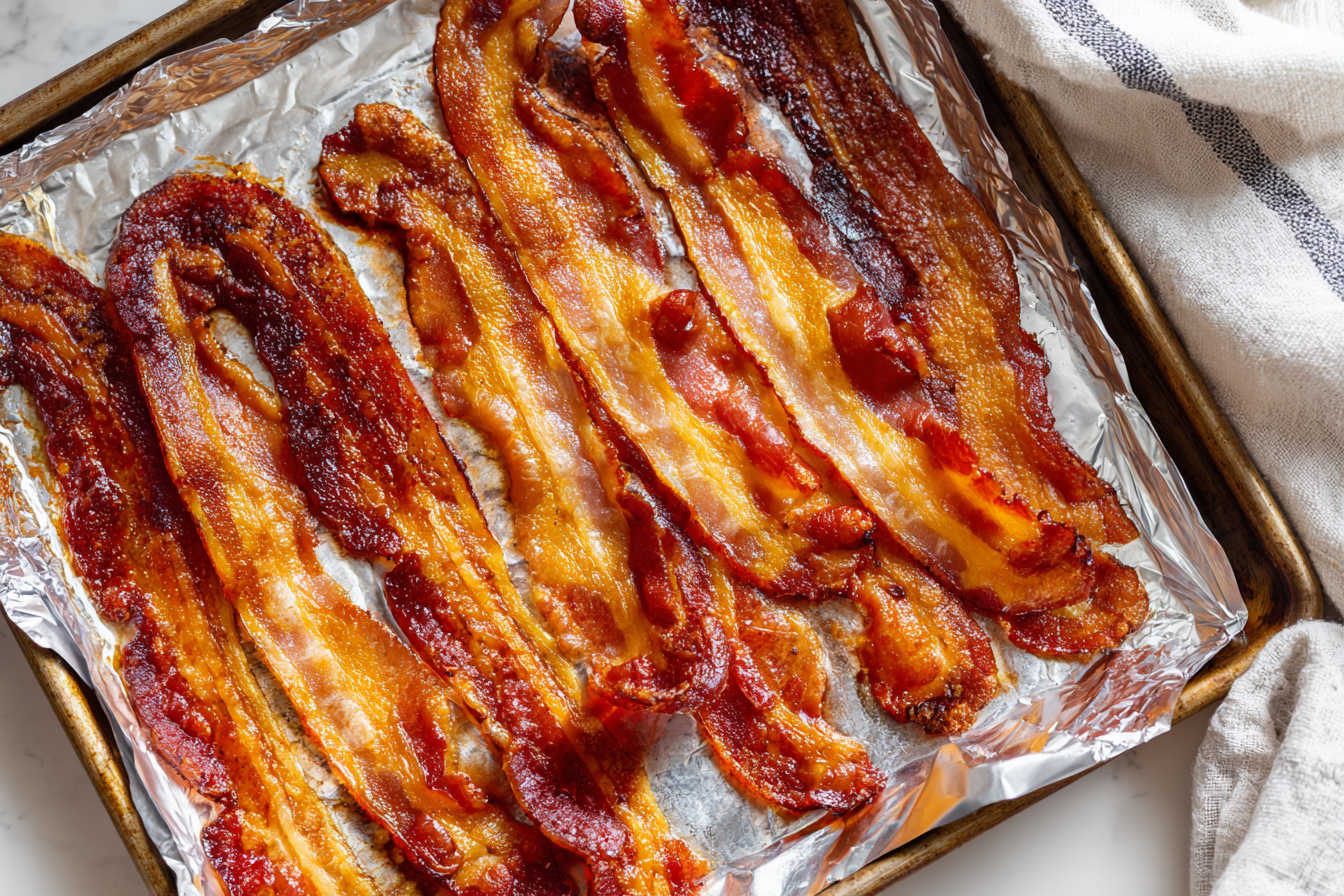
Perfect Cold Oven Bacon
Course: Breakfast Recipes4
servings2
minutes20
minutes236
kcalThe easiest way to make crispy bacon with zero grease splatters and half the wait time.
Ingredients
12 ounces sliced bacon (regular or thick-cut)
Aluminum foil or parchment paper for lining
1 to 2 tablespoons all-purpose flour (optional, for extra crispiness)
Directions
- Line a rimmed baking sheet with aluminum foil, making sure there is overhang on all four sides to contain the bacon grease. If you prefer extra-crispy bacon, place an oven-safe wire cooling rack over the foil-lined baking sheet. The foil makes cleanup incredibly easy since you can just fold it up and throw away the solidified grease when you’re done.
- Arrange the bacon strips in a single layer on the prepared baking sheet or wire rack. The slices can touch or be close together, but don’t let them overlap or they will stick together as they cook. If using the flour method for extra crispiness, sprinkle a light dusting of all-purpose flour evenly over the bacon strips at this point.
- Place the baking sheet with the bacon into the cold oven. Do not preheat the oven first—this is the key to the method. Set the oven temperature to 425 degrees Fahrenheit and set a timer for 15 minutes. The bacon will cook as the oven heats up, which allows the fat to render slowly and evenly.
- After 15 minutes, check the bacon. For regular sliced bacon, it will likely need another 5 minutes to reach the desired crispiness. Thick-cut bacon may need an additional 5 to 10 minutes. The bacon is done when it reaches a deep golden-brown color and the edges look crispy. Remember that bacon continues to crisp as it cools, so don’t wait until it looks completely crisp in the oven.
- Using tongs, carefully transfer the cooked bacon strips to a plate lined with paper towels. The paper towels will absorb excess grease and help the bacon finish crisping up. Let the bacon rest for about a minute before serving. The strips will firm up and become even crispier as they cool slightly.
- If saving the bacon grease for cooking, let it cool slightly on the baking sheet until warm but not hot, then pour it through a fine-mesh strainer into a heatproof glass container. Store in the refrigerator for up to several months. If discarding the grease, let it solidify completely on the baking sheet, then fold up the foil around it and throw it away.
Notes
- This method saves about 10 minutes compared to preheating the oven first, and produces evenly cooked bacon with less attention required.
- If cooking two baking sheets at once, rotate their positions halfway through cooking to ensure even browning on all strips.
- Leftover cooked bacon can be stored in an airtight container in the refrigerator for up to one week or frozen for up to three months.
- For reheating, use the microwave for 20 to 30 seconds, or warm in a 350-degree oven for about 5 minutes.
- The wire rack method and flour method can be combined for the absolute crispiest bacon possible.
Frequently asked questions about cold oven bacon
Q: Does bacon cooked from a cold oven taste different than bacon cooked in a preheated oven?
A: No, the finished bacon tastes exactly the same. The cold oven method just changes how long it takes and how the fat renders during cooking. The gradual temperature increase actually helps the fat render more evenly, which can result in more consistent crispiness across all the strips.
Q: Can I use this method with turkey bacon or other bacon alternatives?
A: Yes, the cold oven method works with turkey bacon, beef bacon, and plant-based bacon alternatives. Keep in mind that turkey bacon and plant-based options typically cook faster and contain less fat, so start checking around 12 minutes instead of 15. Adjust the cooking time based on how crispy you want the finished product.
Q: What should I do if my bacon is cooking unevenly in the oven?
A: Uneven cooking usually happens because some strips are thicker than others or because they’re positioned near the edges of the pan where heat is more intense. Try rotating the baking sheet 180 degrees halfway through cooking. Also make sure your oven racks are positioned in the center of the oven for the most even heat distribution.
Q: Is it safe to leave bacon grease sitting out while it cools?
A: Yes, it’s perfectly safe to let bacon grease cool at room temperature for an hour or two before dealing with it. The grease needs to cool down anyway before you can safely pour it into a storage container or fold it up in foil for disposal. Just don’t leave it sitting out overnight, as that can attract pests.
