

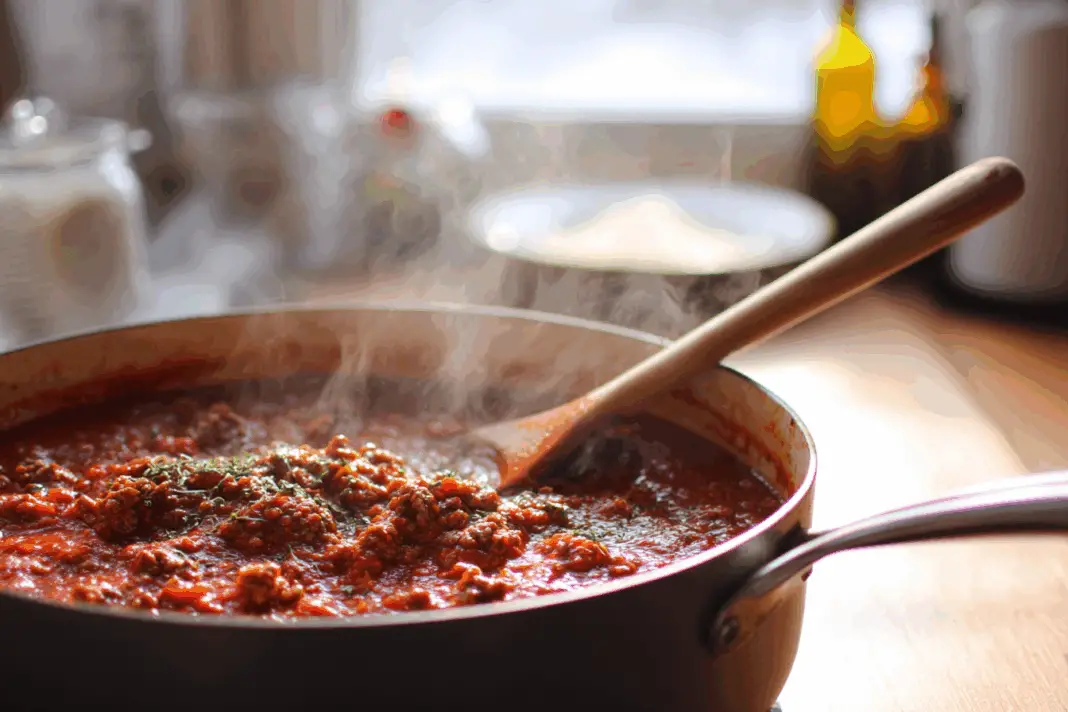
Making spaghetti sauce from scratch sounds like something only grandmas with hours to spare can pull off, right? Wrong. The truth is, anyone can make an amazing homemade sauce that puts jarred versions to shame. The real secret isn’t some fancy technique or hard-to-find ingredient. It’s actually something sitting in your pantry right now that changes everything. Once you know what to add and when to add it, your sauce will taste like it’s been simmering for hours, even when it hasn’t. This classic recipe proves that great spaghetti sauce is way easier than most people think.
Why brown ground beef matters more than you think
The first step to great spaghetti sauce starts with how you handle your ground beef. Most people just toss it in a pan and break it up with a spoon, but there’s a better way. When you brown ground beef with chopped onion, those little bits of meat and onion create something amazing when they stick to the bottom of your pan. That browned stuff isn’t burnt, it’s packed with taste that makes your sauce better. Season your beef with salt and pepper right from the start so every piece gets coated before it cooks.
Here’s a trick that makes a huge difference: after browning your beef, drain off the extra grease, then pulse it in a food processor once or twice. This gives you super fine crumbles that blend into the sauce instead of sitting in big chunks. Some people like chunky meat in their sauce, which is totally fine. But if you want that smooth, restaurant-style texture, this extra step takes about 30 seconds and makes your sauce feel more professional without any extra work.
The sugar trick that fixes acidic tomatoes
Ever wonder why some spaghetti sauce tastes tangy and sharp instead of rich and smooth? It’s because canned tomatoes are naturally acidic, and that acid can take over your whole sauce if you don’t balance it out. This is where sugar comes in as the real game-changer. Just one tablespoon of regular white sugar mellows out that harsh tomato taste and makes everything blend together better. The sugar doesn’t make your sauce taste sweet like candy. Instead, it rounds out the sharp edges and lets the tomato taste shine through without being too strong.
You can use any sugar you have on hand, whether that’s white sugar, brown sugar, or even honey if you’re out of sugar completely. Start with one tablespoon and taste your sauce after it’s simmered for about 15 minutes. If it still tastes too sharp or sour, add another teaspoon. The key is going slow because you can always add more, but you can’t take it back out. Some experienced cooks swear by brown sugar because it adds a tiny bit of molasses taste that makes the sauce richer, but honestly, regular sugar works just fine for most people.
Worcestershire sauce adds depth nobody can identify
This is one of those ingredients that seems weird when you first hear about it, but it works like magic. One tablespoon of Worcestershire sauce in your spaghetti sauce adds a savory, slightly tangy kick that makes people wonder what your secret is. They won’t be able to point to it specifically, but they’ll definitely notice your sauce tastes more complex than the basic versions they’re used to. Worcestershire brings umami, which is that hard-to-describe savory taste that makes food more satisfying and full.
The best time to add Worcestershire is right after you’ve browned your meat and added your tomato products. Pour it in before the sauce starts simmering so it has time to blend with everything else. If you’re making this recipe gluten-free, make sure to check your Worcestershire sauce label because some brands contain gluten while others don’t. This simple addition transforms basic sauce into something that tastes like it came from an Italian restaurant, and nobody will guess what you did differently.
Why simmering for 30 minutes changes everything
Sure, you could eat your sauce right after mixing everything together, but you’d be missing out on the best part. Letting your sauce simmer on low heat for at least 30 minutes does something amazing to all those ingredients. The tomatoes break down more, the spices blend together instead of tasting separate, and the whole thing gets thicker and richer. Think of it like letting a cake cool before you frost it. Technically you could frost it hot, but waiting makes everything better.
During those 30 minutes, resist the urge to stir your sauce constantly. Let it sit and do its thing, stirring only every 10 minutes or so to make sure nothing sticks to the bottom. Some cooks say that not stirring too much lets a thin layer form on top that adds even more taste when you finally mix it back in. If you have more time, let it simmer for an hour. The sauce gets better the longer it cooks, which is why leftover spaghetti sauce always tastes even better the next day.
The right combination of dried herbs matters
Walking down the spice aisle can feel overwhelming when you’re trying to figure out what herbs go in spaghetti sauce. This recipe keeps it simple with Italian seasoning, dried parsley, and garlic powder. Italian seasoning is basically a premixed blend of oregano, basil, thyme, and sometimes rosemary, so you get multiple herbs without buying a bunch of separate jars. One half teaspoon is all you need because Italian seasoning is pretty strong when it’s concentrated.
Dried parsley adds a fresh, slightly peppery note that balances the heavier tomato base, while garlic powder gives you consistent garlic taste throughout without the hassle of mincing fresh cloves. Use one tablespoon of dried parsley and one teaspoon of garlic powder for the best results. If you want a little heat, throw in some crushed red pepper flakes to taste. Start with just a pinch if you’re not sure how spicy you want it. These basic seasonings work together to create that classic Italian-American spaghetti sauce taste everyone recognizes and loves without getting too complicated.
Using both tomato sauce and tomato paste creates better texture
A lot of recipes call for either tomato sauce or tomato paste, but using both gives you the perfect consistency. Tomato sauce provides the liquid base that coats your pasta nicely, while tomato paste adds thickness and concentrated tomato taste that makes the whole thing richer. For this recipe, you’ll need one 15-ounce can of tomato sauce and one 6-ounce can of tomato paste. The combination means your sauce won’t be too watery or too thick, it’ll be just right.
When you add these to your browned beef, make sure to stir them in thoroughly so the paste doesn’t clump up in one spot. The paste is really thick straight from the can, so breaking it up with your spoon as you stir helps it blend smoothly. After you’ve mixed in your tomato products and seasonings, add one cup of water to thin things out just enough. This might seem backwards after adding paste to thicken it, but the water helps all the ingredients come together during simmering. As it cooks, the sauce reduces slightly and reaches that perfect consistency that clings to noodles without being gloppy.
Fresh basil at the end makes it taste homemade
This step is totally optional, but if you want your sauce to taste extra special, add some chopped fresh basil leaves right before serving. About a quarter cup of fresh basil torn or chopped into small pieces brings a brightness that dried herbs just can’t match. The important part is adding it at the end, not during the cooking process. Fresh basil loses its punch when it cooks for a long time, so stirring it in during the last few minutes keeps that fresh, almost peppery taste intact.
You can find fresh basil in the produce section of most grocery stores, usually near the other fresh herbs like cilantro and parsley. If you can’t find it or don’t want to buy a whole bunch just for this, don’t worry. The sauce still tastes great without it. But when you do use fresh basil, people will definitely notice something special about your sauce. It’s one of those finishing touches that takes things from good to really impressive without much extra effort or cost.
Make extra batches and freeze for easy weeknight dinners
Once you realize how easy this sauce is to make, you’ll probably want to double or triple the recipe and stock your freezer. Homemade spaghetti sauce freezes beautifully for up to six months, which means you can have homemade sauce ready to go on those nights when cooking feels impossible. Let your sauce cool completely before freezing, otherwise it can get ice crystals that affect the texture. Pour it into gallon-sized freezer bags, squeeze out as much air as possible, and lay them flat in your freezer.
Freezing the bags flat is smarter than you’d think because they stack like books and take up way less space than round containers. When you’re ready to use your frozen sauce, either thaw it in the fridge overnight or put the frozen block straight into a pot on low heat. Stir occasionally as it melts and heats through. This sauce works great in other recipes too, like lasagna, spaghetti pie, or even as a pizza sauce base if you want to get creative with your freezer stash.
Ground Italian sausage adds extra taste if you want it
The basic recipe calls for one pound of ground beef, which works perfectly fine and tastes great. But if you want to change things up, try using half a pound of ground beef and half a pound of ground Italian sausage instead. Italian sausage comes in sweet or hot versions, and both add extra seasonings and a little more fat that makes the sauce richer. The sausage already has fennel, garlic, and other spices in it, so you get bonus taste without adding anything else.
Brown the sausage and beef together the same way you would with just beef. Break it up into small pieces as it cooks, drain the extra grease, and continue with the recipe as written. The sausage doesn’t require any changes to the other ingredients or cooking times. It just adds another layer of taste that makes people think you spent way more time on dinner than you actually did. Some families prefer all beef while others swear by the sausage mixture, so try both ways and see which version becomes your go-to.
Making homemade spaghetti sauce really isn’t complicated once you know the tricks that make it taste amazing. Brown your meat well, balance the tomato acid with a little sugar, add Worcestershire for depth, and let everything simmer together for at least 30 minutes. These simple steps turn basic pantry ingredients into a sauce that’s way better than anything from a jar. Whether you’re feeding picky kids or trying to impress guests, this recipe delivers every single time without requiring any special skills or hard-to-find ingredients.
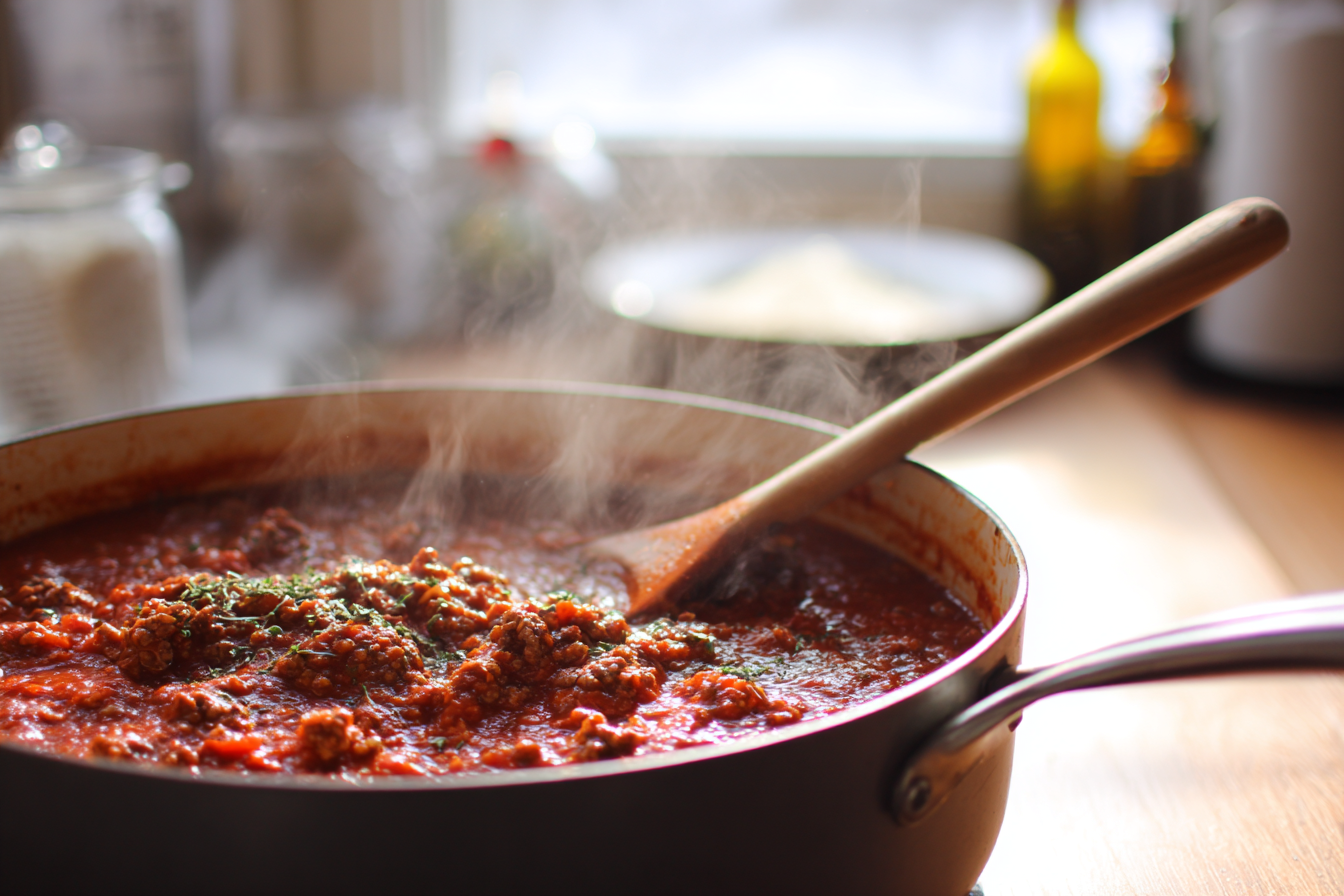
Easy Homemade Spaghetti Sauce
Course: Main Course5
servings10
minutes30
minutes303
kcalThis rich, meaty spaghetti sauce comes together in 40 minutes using simple pantry staples and tastes better than anything from a jar.
Ingredients
1 pound ground beef (or use half pound ground beef and half pound ground Italian sausage)
Salt and freshly ground black pepper, to taste
1 medium onion, chopped
15 ounces tomato sauce
6 ounces tomato paste
1/2 teaspoon Italian seasoning
1 tablespoon dried parsley flakes
1 teaspoon garlic powder
Crushed red pepper flakes, to taste (optional)
1 tablespoon Worcestershire sauce
1 tablespoon granulated sugar
1 cup water
1/4 cup fresh basil leaves, chopped (optional)
Spaghetti noodles, for serving
Directions
- Season your ground beef generously with salt and freshly ground black pepper. Heat a large skillet over medium-high heat, then add the seasoned beef and chopped onion. Break up the meat with a wooden spoon or meat chopper as it cooks, making the pieces as small as possible. Cook until the beef is completely browned and the onion becomes translucent, about 7 to 8 minutes.
- Drain off the excess grease from your skillet by carefully pouring it into a heat-safe container or using a spoon to remove it. For an extra smooth sauce, transfer the cooked beef and onion to a food processor and pulse once or twice to create finer crumbles. Return the meat to the skillet if you used a food processor.
- Add the tomato sauce and tomato paste to the skillet with your cooked meat. Stir well to break up any clumps of tomato paste and combine everything evenly. Add the Italian seasoning, dried parsley flakes, garlic powder, crushed red pepper flakes if using, Worcestershire sauce, and sugar to the mixture. Stir everything together until all the seasonings are distributed throughout the sauce.
- Pour in the cup of water and stir well to incorporate it into the sauce. Bring the entire mixture to a boil over medium-high heat, stirring occasionally. Once it reaches a boil, reduce the heat to low so the sauce maintains a gentle simmer.
- Let the sauce simmer uncovered for at least 30 minutes, stirring every 10 minutes or so to prevent sticking. The longer you simmer it, the more the ingredients blend together and the richer the taste becomes. If you have extra time, let it go for 45 minutes to an hour for even better results.
- Taste your sauce and adjust the seasonings if needed. If it tastes too acidic or sharp, add another teaspoon of sugar and stir well. If you want more heat, add a few more red pepper flakes. If it seems too thick, add a splash of water and stir it in.
- If using fresh basil, chop or tear the leaves into small pieces and stir them into the sauce during the last 5 minutes of cooking. This keeps the basil bright and fresh-tasting instead of letting it cook down too much. Remove the sauce from heat once you’ve added the basil and stirred it through.
- Serve your sauce immediately over cooked spaghetti noodles, or let it cool and store it in the refrigerator for up to 4 days. For longer storage, transfer cooled sauce to freezer bags, removing as much air as possible, and freeze flat for up to 6 months. Reheat frozen sauce directly from frozen in a pot over low heat, stirring occasionally until heated through.
Notes
- For a gluten-free version, use gluten-free Worcestershire sauce and serve with gluten-free pasta.
- This sauce works perfectly in lasagna, baked ziti, spaghetti pie, or as a pizza sauce base.
- You can substitute ground turkey for ground beef to make a leaner version, though the sauce will be slightly less rich.
- If you prefer a chunkier sauce with visible meat pieces, skip the food processor step and just break up the meat with a spoon while cooking.
- Leftover sauce tastes even better the next day after all the ingredients have had more time to blend together in the refrigerator.
Frequently asked questions about homemade spaghetti sauce
Q: Can I use fresh tomatoes instead of canned tomato sauce and paste?
A: Yes, but you’ll need about 3 pounds of fresh tomatoes that you blanch, peel, and crush yourself. Canned tomatoes are actually more consistent because they’re picked and processed at peak ripeness, which is why most recipes call for them instead of fresh.
Q: How do I make this sauce less acidic without adding sugar?
A: Try adding a small peeled carrot to your sauce while it simmers, then remove it before serving. The carrot absorbs some of the acidity without adding sweetness. You can also add a tiny pinch of baking soda, but use it sparingly because too much will make your sauce taste soapy.
Q: Can I make this in a slow cooker instead of on the stovetop?
A: Absolutely. Brown your beef and onion in a skillet first, then transfer everything to a slow cooker and add the remaining ingredients. Cook on low for 6 to 8 hours or on high for 3 to 4 hours. The longer cooking time makes the sauce even richer.
Q: Why does my sauce taste bland even though I followed the recipe?
A: The most common reason is not simmering long enough. The sauce needs at least 30 minutes for all the ingredients to blend together properly. Also, make sure you’re using enough salt and pepper when seasoning your beef, and don’t skip the Worcestershire sauce and sugar because they add important depth.
