

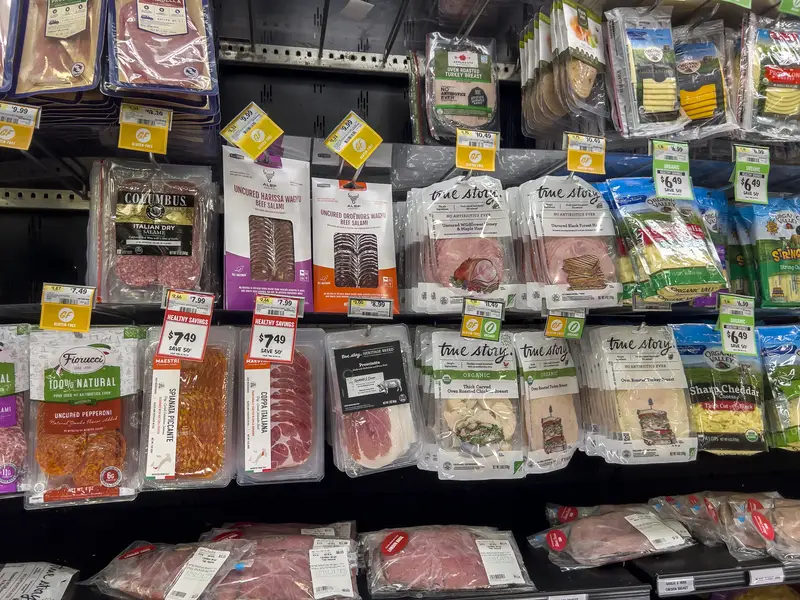
Most people worry about their heart or their waistline, but when was the last time you thought about your kidneys? These two bean-shaped organs work around the clock filtering waste from your blood, balancing your body’s fluids, and keeping everything running smoothly. The problem is that certain foods can slowly damage them without you even noticing. By the time symptoms show up, the damage might already be serious. One type of food stands out as particularly harmful, and you’re probably eating it more often than you think.
Processed meats are quietly destroying your kidneys
That bacon you had for breakfast or the deli turkey in your sandwich might taste great, but processed meats are loaded with sodium and preservatives that put enormous strain on your kidneys. Hot dogs, bacon, pepperoni, sausage, beef jerky, and lunch meats all fall into this category. These foods are cured, salted, dried, or canned to extend their shelf life and boost their taste. The problem is that manufacturers pack them with salt, sometimes using more than 400 milligrams of sodium in just two slices of deli meat. When you’re trying to stay under 2,300 milligrams per day, that adds up fast.
Your kidneys have to work overtime to filter out all that sodium, and when they’re constantly overloaded, they start to wear down. The high protein content in these meats creates another problem because protein breaks down into waste products that your kidneys must eliminate. If you eat processed meats regularly, you’re basically asking your kidneys to run a marathon every single day. Over time, this constant stress can lead to chronic kidney disease, a condition where your kidneys gradually lose their ability to function properly. Once that happens, there’s no going back.
Dark sodas contain phosphorus your body absorbs too easily
Cracking open a cold Coke or Pepsi might be refreshing, but dark-colored sodas contain a hidden ingredient that wreaks havoc on your kidneys. Food manufacturers add phosphorus during processing to enhance the taste and keep the soda from losing its color. Unlike the natural phosphorus found in meat or beans, this additive form gets absorbed by your intestines much more efficiently. A regular 12-ounce can of cola packs about 33.5 milligrams of phosphorus, and most people don’t stop at just one can. When phosphorus builds up in your blood because your kidneys can’t filter it out fast enough, it starts pulling calcium from your bones.
This calcium theft makes your bones weak and brittle over time, increasing your risk of fractures. The worst part is that manufacturers don’t have to tell you exactly how much additive phosphorus is in their products. You might see it listed in the ingredients as phosphoric acid or sodium phosphate, but you won’t know the actual amount. Even diet sodas aren’t safe since they contain the same phosphorus additives as regular versions. Energy drinks present similar problems and can also contribute to kidney stones. If you’re drinking multiple sodas throughout the day, you’re putting yourself at serious risk for kidney damage that could have been easily prevented.
Canned foods dump way too much sodium into your system
Opening a can of soup or vegetables seems convenient and budget-friendly, but you’re basically pouring liquid salt into your body. Salt acts as a preservative that keeps canned foods fresh for years on grocery store shelves. A single can of chicken noodle soup can contain over 1,500 milligrams of sodium, which is more than half your daily limit in just one meal. Canned vegetables like corn, green beans, and tomatoes are also guilty of hiding excessive amounts of salt. Even canned beans, which are otherwise healthy, come swimming in salty liquid that gets absorbed into the beans themselves.
When you consistently eat high-sodium foods, your blood pressure starts to climb. High blood pressure damages the tiny blood vessels in your kidneys that are responsible for filtering waste. Think of it like trying to push water through a garden hose at maximum pressure all day long. Eventually, something’s going to break. You can reduce the sodium content by choosing “no salt added” or “low sodium” versions of canned goods, which typically contain about 65% less sodium than regular versions. Draining and rinsing canned beans or vegetables under running water can also wash away up to 40% of the sodium.
Dairy products overload your kidneys with phosphorus and protein
Milk, cheese, and yogurt are supposed to build strong bones, right? That’s true for healthy people, but if your kidneys aren’t working properly, dairy can actually make your bones weaker. One cup of whole milk contains 205 milligrams of phosphorus and nearly 8 grams of protein. While protein is essential for your body, too much of it creates waste products that your kidneys must filter out. When your kidneys are already struggling, adding more work just speeds up the damage. The phosphorus in dairy becomes especially problematic because it can build up in your blood when your kidneys can’t eliminate it efficiently.
This excess phosphorus pulls calcium out of your bones to balance things out, leaving your skeleton brittle and prone to breaks. Cheese is even worse than milk because it’s more concentrated. A single ounce of cheddar cheese packs about 145 milligrams of phosphorus and 7 grams of protein. If you’re eating cheese on your sandwich, sprinkling it on pasta, and snacking on string cheese, those numbers add up quickly. Ice cream and cream-based sauces present the same problems. Plant-based alternatives like unsweetened almond milk or rice milk contain much less phosphorus and protein, making them safer choices if you’re concerned about kidney health.
Whole wheat bread contains more phosphorus than white bread
Everyone says whole wheat bread is healthier than white bread, and for most people, that’s true. But if you’re watching your kidney health, white bread might actually be the better choice. The bran and whole grains in whole wheat bread are packed with phosphorus and potassium. A single slice of whole wheat bread contains about 76 milligrams of phosphorus and 90 milligrams of potassium, while a slice of white bread has only 32 milligrams of phosphorus and potassium. That might not sound like a huge difference, but if you’re eating two slices for a sandwich and maybe toast for breakfast, you’re nearly doubling your intake of these minerals.
Most people don’t realize that bread also contains significant amounts of sodium regardless of whether it’s white or whole wheat. Many commercial brands pack 150 to 200 milligrams of sodium into each slice. That means your innocent-looking sandwich could be delivering 400 milligrams of sodium before you even add the filling, condiments, or cheese. Reading nutrition labels becomes crucial because some brands offer lower-sodium options that cut the salt content by 30% or more. If you really want the fiber and nutrients from whole wheat, try eating just one slice instead of two. Portion control lets you enjoy some benefits without overwhelming your kidneys with phosphorus and potassium.
Brown rice has triple the phosphorus of white rice
Brown rice gets praised as a superfood because it keeps all the nutritious parts of the grain intact. White rice gets stripped down during processing, removing the bran and germ that contain most of the vitamins and minerals. But those same parts also contain high levels of potassium and phosphorus that can be dangerous if your kidneys aren’t functioning properly. One cup of cooked brown rice delivers 149 milligrams of phosphorus and 95 milligrams of potassium. Compare that to white rice, which has only 69 milligrams of phosphorus and 54 milligrams of potassium in the same amount.
If brown rice is a regular part of your meals, you might be getting way more of these minerals than you realize. Rice often serves as a base for stir-fries, burrito bowls, and side dishes, so it’s easy to eat two or three cups in a single day. That could mean consuming 450 milligrams of phosphorus just from rice alone. Better alternatives include bulgur, couscous, and pearled barley, which offer good nutrition without the mineral overload. You could also stick with white rice but eat smaller portions alongside plenty of vegetables. Balancing your plate with a variety of foods prevents any single ingredient from overwhelming your kidneys with too much of one mineral.
Bananas pack more potassium than most tropical fruits
Bananas are convenient, cheap, and filling, which makes them a popular breakfast choice and workout snack. But one medium banana contains 422 milligrams of potassium, which is a significant chunk of the daily amount your kidneys need to process. Potassium is essential for heart function and muscle contractions, but when your kidneys can’t filter it properly, it builds up in your blood. This condition, called hyperkalemia, can cause irregular heartbeats and even cardiac arrest in severe cases. Most tropical fruits are high in potassium, so you can’t just swap your banana for a mango or papaya and expect better results.
However, pineapple stands out as a tropical fruit that’s much lower in potassium, making it a safer sweet treat if you’re monitoring your intake. Apples, grapes, and cranberries are also good low-potassium options that still satisfy your fruit cravings. The tricky part about potassium is that many healthy foods contain it, including potatoes, tomatoes, spinach, and beans. You don’t have to eliminate these foods completely, but you should be aware of how much you’re eating throughout the day. Portion sizes matter because even healthy foods can become harmful when you eat too much of them. Keeping a food diary for a week can help you spot patterns and identify where most of your potassium is coming from.
Condiments and sauces hide shocking amounts of sodium
You might think the main part of your meal is the problem, but often it’s the stuff you’re putting on top that does the most damage. Ketchup, barbecue sauce, soy sauce, salad dressing, and steak sauce are all loaded with sodium. Just two tablespoons of barbecue sauce can contain 300 to 400 milligrams of sodium, and most people use way more than two tablespoons. Soy sauce is even worse, with some varieties packing 900 milligrams into a single tablespoon. Salad dressing seems innocent, but two tablespoons can deliver 200 to 400 milligrams of sodium depending on the brand and type.
Pickled foods like pickles, olives, and pickled beets swim in salty brine that gets absorbed into the food. A single large pickle can contain 1,000 milligrams of sodium. Restaurant meals are particularly dangerous because chefs use salt and sauces liberally to make food taste good. A single restaurant entrée can easily exceed your entire daily sodium limit before you even touch the appetizer or sides. At home, you have more control. Try using fresh herbs, citrus juice, vinegar, and salt-free spice blends to add taste without the sodium. Reducing sodium doesn’t mean eating bland food. It just means getting creative with other ways to make your meals interesting.
Orange juice delivers way more potassium than eating an orange
Fresh-squeezed orange juice seems like a healthy way to start your morning, but one cup contains 458 milligrams of potassium. That’s more potassium than a banana and about the same as eating three whole oranges at once. Most people don’t realize that drinking juice concentrates all the minerals from multiple pieces of fruit into a single glass. One large orange contains 333 milligrams of potassium, which is still significant but more manageable than juice. The problem gets worse if you’re buying commercial orange juice because some brands add extra ingredients that boost the potassium even higher.
Other fruit juices like prune juice, grapefruit juice, and tomato juice are also extremely high in potassium. Even vegetable juices marketed as healthy options can contain 600 to 800 milligrams of potassium per cup, plus loads of sodium. Better alternatives include apple juice, cranberry juice, and grape juice, which contain significantly less potassium while still giving you that fruity taste. If you really love orange juice, try diluting it with water to stretch out a smaller portion. Limiting juice intake and eating whole fruits instead gives you more fiber and helps you control your portions naturally since it’s harder to eat three oranges than to drink them.
Taking care of your kidneys doesn’t mean giving up everything you enjoy eating. It just means being more aware of what’s in your food and making smarter choices when possible. Once kidney damage occurs, it’s usually permanent and can lead to dialysis or transplant. Simple changes like reading nutrition labels, choosing low-sodium options, watching your portions, and cutting back on processed meats can make a huge difference. Your kidneys work hard every day to keep you healthy, so returning the favor by protecting them just makes sense.
