

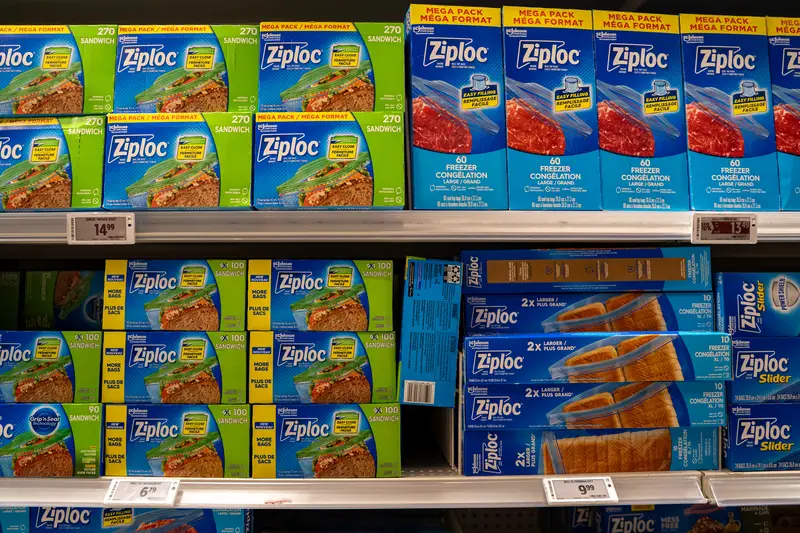
You reach into your kitchen drawer, grab a Ziploc bag, toss in some leftovers, and pop it in the microwave or freezer without a second thought. Millions of people do this every single day. But what if those handy plastic bags labeled as “microwave safe” and perfect for the freezer aren’t actually safe at all? A recent class action lawsuit is claiming that Ziploc bags might be releasing tiny plastic particles into your food every time you use them in extreme temperatures. This isn’t just about one person’s complaint—it’s raising serious questions about what we’ve been told is safe in our own kitchens.
What exactly is this lawsuit claiming about Ziploc bags
In April 2025, a California woman named Linda Cheslow filed a class action lawsuit against S.C. Johnson & Son Inc., the company that makes Ziploc products. The lawsuit isn’t saying the bags are defective in the traditional sense. Instead, it’s arguing that when you use these bags in the microwave or freezer—exactly as the packaging suggests you should—they release microplastics into your food. The complaint specifically targets bags made from polyethylene and polypropylene, which are petroleum-based materials commonly used in food storage products.
The heart of the issue is the “Microwave Safe” and “Freezer” labels printed right on the packaging. According to the lawsuit documents, these labels create the impression that the bags are perfectly fine to use in these ways. But scientific evidence suggests that these same plastics shed microplastics when exposed to extreme heat or cold. The lawsuit claims this means the products are “fundamentally unfit” for the very uses the company advertises. S.C. Johnson has denied these allegations, and the case is still making its way through the courts.
Which specific products are included in the complaint
This isn’t just about one or two random products sitting on store shelves. The lawsuit names several specific Ziploc items that millions of households probably have in their kitchens right now. The list includes Ziploc Freezer Bags in pint, quart, and gallon sizes, along with Ziploc Slider Freezer Bags in quart and gallon sizes. It also covers Ziploc Slider Storage Bags in both quart and gallon sizes, plus various Ziploc Containers. If you open your kitchen cabinet and see any of these products with “microwave safe” or freezer labels on them, those are the ones being questioned.
The complaint even includes actual photos of the product packaging, showing exactly where the “microwave safe” wording appears on the boxes and bags. This matters because it’s not like consumers have to dig through fine print to find these claims—they’re printed right on the front where everyone can see them. The lawsuit argues that people relied on these visible labels when deciding how to use the products, and that reliance potentially exposed them and their families to microplastics they didn’t know were there.
Understanding what microplastics actually are and why this matters
Microplastics are exactly what they sound like—incredibly tiny pieces of plastic that measure less than five millimeters in size. That’s smaller than a grain of rice, and in many cases, they’re completely invisible to the naked eye. These particles break off from larger plastic items when they’re exposed to things like heat, cold, or physical stress. Once they’re in your food, you eat them without even knowing it. Research has found microplastics pretty much everywhere scientists look for them—in ocean water, drinking water, the air we breathe, and yes, even in human organs.
Scientists have estimated that there are about 170 trillion plastic particles currently floating around in our oceans. While researchers are still studying exactly what eating these particles does to the human body over time, some studies have already linked them to cell damage. The problem with microplastics in food storage is that you’re potentially adding to your exposure every single time you reheat leftovers or freeze a batch of soup. It’s not about one meal causing immediate harm—it’s about the cumulative effect of regular, repeated exposure over months and years.
Why polyethylene and polypropylene are part of the problem
Polyethylene and polypropylene aren’t exotic materials—they’re two of the most common types of plastic used in kitchen products everywhere. You’ll find them in cutting boards, storage containers, plastic wrap, and of course, storage bags. Both materials are considered “food-grade” and have been used for decades because they’re durable, flexible, and cheap to produce. Manufacturers have long marketed products made from these plastics as safe for everyday use, including in microwaves and freezers.
The issue isn’t necessarily that these plastics exist, but what happens when they’re exposed to extreme temperatures. When polyethylene and polypropylene get really hot or really cold, their molecular structure becomes less stable. That’s when tiny particles can break off and migrate into whatever food is touching them. The lawsuit alleges that scientific and medical evidence shows these materials release microplastics when microwaved and frozen, which is exactly when most people use these bags. The plaintiff argues that this makes the “microwave safe” label misleading at best.
The reusable claim adds another layer to this situation
One aspect of the Ziploc lawsuit that makes things even more complicated is the company’s marketing around reusability. Ziploc has promoted many of its bags as reusable, encouraging customers to wash them out and use them multiple times instead of throwing them away after one use. From a waste-reduction standpoint, this sounds like a good thing. But according to the lawsuit, reusing these bags for microwaving and freezing means you’re potentially exposing yourself to microplastics over and over again, not just once.
Each time you microwave a Ziploc bag, it gets heated. Each time you freeze it, it experiences extreme cold. If the lawsuit’s claims are accurate, that means every reuse could be releasing more plastic particles into your food. The complaint suggests that by promoting reusability without disclosing the microplastic risk, the company is compounding the potential exposure. It’s a situation where doing what seems like the environmentally conscious thing might actually be creating a different kind of problem altogether.
How companies determine what gets a microwave safe label
When you see “microwave safe” printed on a plastic container or bag, you probably assume it went through some rigorous testing process. The reality is a bit more complicated. There’s no single government agency that certifies products as “microwave safe” before they hit store shelves. Instead, manufacturers typically conduct their own testing to determine whether a product will melt, warp, or catch fire in the microwave. If it doesn’t do any of those things, companies often slap a “microwave safe” label on it.
What that testing traditionally hasn’t looked for is microplastic release. The standards were developed decades ago when microplastics weren’t on anyone’s radar. So a product can technically pass the “microwave safe” criteria by not melting or burning, even if it’s shedding microscopic plastic particles into your food. This is part of what the lawsuit challenges—the idea that “safe” labels might not actually mean safe in the way consumers understand that word. It’s a gap between old testing standards and new scientific understanding.
This isn’t the only lawsuit targeting plastic food storage
Ziploc isn’t facing this legal challenge alone. Around the same time, similar lawsuits have been filed against other major plastic container manufacturers, including Rubbermaid. These cases follow the same basic argument—that plastic storage products marketed as safe for microwaving and freezing are actually releasing microplastics under those conditions. The fact that multiple companies are being sued over similar claims suggests this is becoming a broader issue across the entire food storage industry.
What makes these lawsuits particularly interesting is their timing. Public awareness about microplastics has grown significantly in recent years as more research has come out. People are starting to ask questions about things they never thought twice about before. These legal challenges reflect a shift in what consumers expect from companies when it comes to product safety information. Even if the lawsuits don’t ultimately succeed in court, they’re already changing the conversation about what “safe” really means.
What you can do differently in your own kitchen
You don’t have to wait for a court decision to make changes in how you store food. One of the simplest swaps is moving away from plastic containers when you’re dealing with temperature extremes. Glass containers work great for both freezing and microwaving, and they won’t shed any plastic particles no matter how hot or cold they get. Mason jars are another solid option for freezer storage, as long as you leave enough room at the top for food to expand as it freezes.
For situations where you really want the convenience of a bag, silicone storage bags have become more popular and affordable in recent years. They’re reusable, flexible like plastic bags, and don’t contain the same materials that cause microplastic concerns. If you do still use plastic bags, consider limiting their use to room-temperature storage only. Skip microwaving or freezing in them, and transfer food to glass or ceramic containers when you need to reheat something. It takes an extra minute, but it eliminates the temperature extreme that seems to be at the heart of the microplastic issue.
What happens next with this class action lawsuit
Since this is a class action lawsuit, it was filed on behalf of everyone who has purchased the products in question, not just the individual plaintiff. That means if you’ve bought any of the Ziploc bags or containers named in the complaint, you’re automatically included in the class. You don’t need to do anything right now—no forms to fill out or lawyers to call. The case will work its way through the legal system, and if there’s eventually a settlement or judgment in favor of the plaintiffs, you might be eligible to file a claim for compensation down the road.
These cases typically take a long time to resolve, sometimes years. S.C. Johnson has already stated it denies the allegations, which suggests they plan to fight rather than settle quickly. In the meantime, it’s worth hanging onto any receipts or proof of purchase for Ziploc products, especially the specific ones named in the suit. If a settlement fund does get established eventually, having documentation will make it easier to participate. But even without a resolution, the lawsuit has already accomplished one thing—it’s gotten people talking about microplastics in everyday products.
The lawsuit against Ziploc over microplastics is raising questions that go way beyond one brand of storage bags. It’s making people reconsider whether the plastic products they’ve trusted for years are actually as safe as the labels suggest. While the legal case continues, you can take steps in your own kitchen to reduce potential exposure—swapping to glass containers, avoiding temperature extremes with plastic, and staying informed as more information comes out. Sometimes the biggest changes start with the smallest decisions we make every day.
