

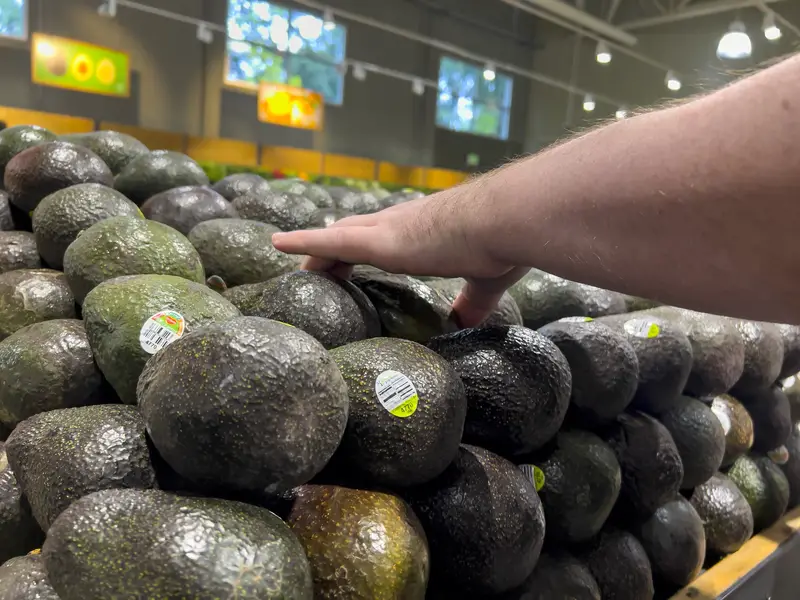
We have all been there. You spot a gorgeous avocado at the store, pay way too much for it, bring it home, slice it open with big guacamole dreams, and find a brown, stringy, mushy mess staring back at you. Or the opposite happens and it is a rock-hard green baseball that will not soften for a week. Picking avocados feels like a coin flip, but it does not have to be. There is a hierarchy of methods people use to judge these things, and most shoppers are using the worst ones on the list. So here is my honest ranking of every avocado-picking approach from the ones that get you burned to the single trick you should never shop without.
9. Judging by Color Alone (The Worst)
This is the method almost everyone defaults to, and it is the least reliable one out there. Yes, a ripe Hass avocado usually darkens to a deep green or nearly black shade, and the folks at Avocados From Mexico confirm that darker skin is one signal of ripeness. But leaning on color as your only test is a trap. Skin color can lie. An avocado can look perfectly dark on the outside and still be underdeveloped or already turning brown inside.
Here is the detail that blows people’s minds. Not every avocado even turns dark when ripe. The team at the University of Hawaii points out that varieties like the Fuerte, Ettinger, Reed, and Sharwil stay green when fully ripe. If you are only checking color, you will pass right over a perfect avocado just because it did not turn black. Color is a starting glance, nothing more. Rank it dead last.
8. The Grab-and-Go From the Top of the Pile
You know this shopper. They reach into the bin, grab whatever avocado is sitting on top, toss it in the cart, and keep moving. No squeeze, no look, no thought. This is not really a method so much as pure surrender to chance, and it fails constantly. The avocados on top are the ones everyone else already rejected, and they are usually either the greenest hard ones or the ones that got squished by a hundred other hands.
If you are going to spend the money, spend the ten seconds. Even a quick visual scan for large dents matters. Parade notes that big indentations in the skin usually signal bruises hiding underneath. Random grabbing skips all of that. It is barely a step above closing your eyes and pointing.
7. Microwaving It to Fake Ripeness
This one is for the impatient crowd who bought a hard avocado and needs guacamole in five minutes. The internet swears you can microwave an avocado into ripeness. You cannot. The experiment run by The Kitchn was blunt about it. There is no truly instant ripening method. The Kitchn tested the quickest one going, a foil-wrapped avocado in a 200 degree oven, and got no softening at ten minutes, or fifteen, or twenty. It took a full hour, and what came out was soft rather than ripe, without that buttery flavor. The Rogue Chef runs through seven home ripening tricks and the microwave is not one of them, which tells you something. Heat softens the flesh. It does not ripen it. If your only plan is nuking it, you are not picking a good avocado, you are salvaging a bad decision.
6. The Fingertip Poke
Now we are getting into methods that at least try to check ripeness, but the fingertip poke is a sloppy version of a good idea. People jab the avocado with one or two fingertips to feel for give. The problem is that concentrated pressure from your fingertips leaves bruises, and those bruises turn into brown spots inside. So even if you correctly identify a ripe one, you might be the reason the next shopper opens up a bruised mess.
Both Love One Today and Tasting Table stress the same fix. Hold the avocado in your palm and press gently with your whole hand, not your fingertips. The fingertip poke gets you closer to the truth than color alone, but it damages the fruit and gives you a narrow, unreliable read. Better technique is right around the corner.
5. The Rice Bowl and Foil Oven Hacks
These are the crafty ripening tricks people love to try when they have a hard avocado and a few hours to kill. The rice trick has you bury the avocado in a bowl of uncooked rice to trap heat and moisture around it. The oven hack has you wrap it tightly in foil and bake it at a low 200 degrees for ten to fifteen minutes. The Rogue Chef describes both. They do soften the fruit eventually, though The Kitchn ran that same oven protocol and saw no change at all until the hour mark. But softening is not the same as ripening. The oven method in particular gives you a texture that never quite matches a naturally ripened avocado, and the flavor is off. These are emergency moves, not a smart way to shop. Fine in a pinch, but not something to build your grocery strategy around.
4. The Full Palm Squeeze
Here is where we finally hit a method worth respecting. Cradle the avocado in your palm and apply gentle, even pressure across the whole fruit. A ripe one gives slightly without feeling squishy. As Tasting Table puts it, you want to feel the insides retract a little, not squish. This is the gold-standard squeeze test that produce guides have pushed for years, and it works far better than anything above it on this list because it reads actual texture instead of guessing from the outside.
The catch is that the palm squeeze can still fool you. The Kitchn warns that a seemingly perfect avocado can still hide a marbled, brownish interior. A good squeeze is solid insurance, but it is not foolproof on its own, which is exactly why the top three methods exist.
3. The Paper Bag Plan-Ahead Move
This one is less about the store and more about being smart the second you get home, and it earns a high spot because it basically guarantees a good avocado on your schedule. The winning method from The Kitchn’s seven-way ripening showdown was placing avocados in a paper bag with an apple or a banana. The bag traps the ethylene gas the avocado naturally gives off, and the apple or banana pumps out even more of it, so ripening kicks into a higher gear. In that test the apple and the banana tied for first, both getting there in about a day and a half.
The pro move here is buying at different stages on purpose. Love One Today, the Hass Avocado Board’s own site, suggests a staggered basket: two ripe for today and tomorrow, two just breaking, and three firm for later in the week. One quick warning that the ripening test proved. Never toss a hard, unripe avocado in the fridge, because the cold slows ripening right down and can stall it. Counter first, fridge only after it is ripe.
2. Squeezing the Bottom, Not the Stem
This is the upgrade almost nobody knows about, and it fixes the biggest flaw in the standard palm squeeze. America’s Test Kitchen credits acclaimed Chicago chef Rick Bayless, the man behind Frontera Grill and Topolobampo, with the observation that avocados do not ripen uniformly. As he told them, they ripen from the stem end first, and the softness works its way down toward the bottom.
That changes everything about where you press. The stem end softens first, so it will feel ready while the rest of the fruit is still behind. The bottom is the last part to come good, which is exactly what makes it the honest test. Press gently on the fat, round end opposite the stem nub, cradled in your palm, and if that gives, the whole avocado is ripe. It is a tiny adjustment that separates the people who occasionally get a good avocado from the people who nail it almost every time.
1. The Stem Cap Trick (The Best)
If you only take one thing from this whole list, make it this. Peel back the little woody stem or cap at the top of the avocado before you commit to buying it. That nub is a sneak peek at the interior, and it never lies the way the skin does. The Kitchn lays out the three outcomes cleanly. If the stem pops off easily and you see green underneath, that is your avocado, ripe and ready. If it comes off and reveals brown, put it back, because it is overripe and almost certainly brown inside. If the stem will not budge at all, the fruit is not ripe yet and needs a few days.
A Parade guide from May 2026 still puts the stem trick front and centre, telling readers to peek under the stem before the avocado even goes in the cart. There is one bit of courtesy to remember. As Tasting Table notes, once you pop the stem off, that spot is exposed to air and can start browning, so if you pull the stem and decide not to buy it, you may have ruined it for the next shopper. Only pop the stem on avocados you actually intend to take home. Not everyone endorses the move at all. The Hass Avocado Board, quoted further up this list, says plainly that it does not recommend popping the stem, because the exposed spot oxidises and lets contaminants in.
Want the truly foolproof approach? Stack the top three together. Do a color glance, give the bottom end a gentle palm squeeze, then peek under the stem cap for the final confirmation. Do that and you will basically never bring home another brown, mushy heartbreak again. The trick was never about paying more. It was about knowing exactly where to look.
