

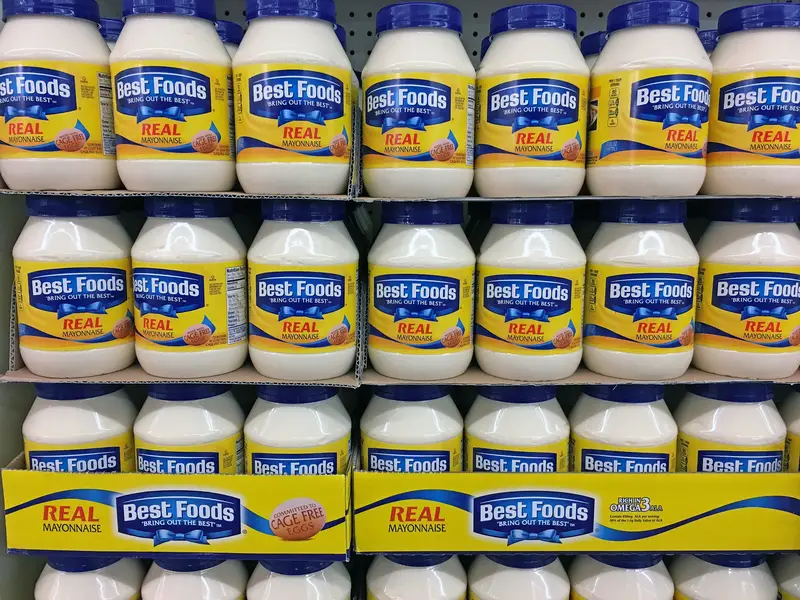
That jar of mayo sitting in your fridge door seems perfectly happy there, right? But what if everything you thought you knew about storing this creamy condiment was actually wrong? Turns out, the great mayo storage debate has more twists than most people realize. It’s not just about keeping it cold – there’s actual science behind where that jar should live, and the answer might surprise you. Let’s talk about what really happens when you open that seal.
Most people automatically refrigerate opened mayo
Walk into pretty much any American kitchen and you’ll find mayo chilling in the fridge. It’s become such standard practice that nobody even questions it anymore. We open the jar, use what we need, and pop it straight into the refrigerator without a second thought. This habit comes from years of being told that anything containing eggs needs to stay cold, period. Our parents did it, their parents did it, and we just keep the tradition going without really understanding why.
But here’s where things get interesting – that automatic refrigeration reflex might not be as necessary as we’ve always believed. Commercial mayo is built differently than homemade versions, with pasteurized eggs and preservatives that change the rules entirely. The NPD Group, a major food research company, actually found that store-bought mayo can handle room temperature storage even after opening. The acidity in commercial mayo slows down harmful bacteria growth enough to keep it safe sitting on your counter. Mind blown yet?
Room temperature mayo won’t make anyone sick
This goes against everything most of us learned growing up, but the government food safety experts actually back this up. FoodSafety.Gov confirmed that shelf-stable commercial mayonnaise stays safe when stored at room temperature after opening. That jar on your counter isn’t a ticking time bomb waiting to poison your family at the next barbecue. The key difference lies in how commercial manufacturers make their product versus what you’d whip up in your own kitchen.
Commercial mayo uses pasteurized eggs instead of raw ones, plus stabilizers and preservatives that keep everything safe for extended periods. The carefully controlled acidity creates an environment where dangerous bacteria just can’t thrive. So technically, leaving that jar out after your sandwich-making session isn’t going to land anyone in the emergency room. The science supports pantry storage as a legitimate option, even if it feels weird to most of us. It’s one of those situations where conventional wisdom doesn’t quite match up with reality.
Cold storage makes mayo last way longer
Sure, room temperature mayo is safe, but here’s the catch – it won’t last nearly as long as the refrigerated stuff. We’re talking about a significant difference here, potentially up to two months longer shelf life when you keep that jar cold. For most families who don’t demolish an entire jar in a week, that’s a pretty big deal. Nobody wants to waste money replacing mayo that went bad too quickly because they left it sitting on the counter.
The cold temperature slows down all those natural processes that make food deteriorate over time. Oil separation happens slower, texture changes take longer, and off-tastes develop much more gradually in cold conditions. While your pantry-stored mayo might be perfectly safe to eat today, it’s also aging faster and will need replacing sooner. For most people who want to stretch their grocery budget, refrigeration just makes economic sense. Why would you intentionally shorten the lifespan of something you paid good money for?
Kraft Mayo officially recommends the fridge
When people reached out to Kraft Mayo for their official stance on this debate, the company had a pretty clear answer. They said quality, not safety, is why mayo shouldn’t sit at room temperature. In their own words, top-tier taste needs proper treatment, and they recommend refrigerating after opening to let it chill. This statement from one of America’s biggest mayo makers carries some weight in settling this long-running argument among home cooks.
The company knows their product is technically safe at room temperature, but they also know it tastes better cold. When Allrecipes polled their followers on Instagram about mayo storage, a whopping 97 percent said they keep their opened mayo in the fridge. That’s an overwhelming majority that suggests most Americans have made up their minds about this, even if some don’t know all the science behind their choice. The tiny 3 percent who store it in the pantry aren’t technically wrong, but they’re definitely in the minority.
Cross contamination creates the real danger
Even the safest mayo can become a problem if you’re not careful about how you use it. This is where many people mess up, regardless of whether they store their jar hot or cold. Double-dipping your knife, using dirty utensils, or letting fingers touch the mayo introduces bacteria that the preservatives and acidity can’t handle. These contaminants can multiply quickly, especially in warm conditions, turning your safe condiment into something potentially harmful.
Think about this common scenario – you’re making a sandwich, spread mayo on one slice of bread, then use that same knife to spread it on the other slice after it touched the meat or cheese. Those bacteria from the other ingredients are now swimming in your mayo jar, and they’re not covered by any food safety guarantees. This is why proper utensil hygiene matters more than storage temperature in many cases. You can keep your mayo perfectly refrigerated, but if you’re contaminating it with dirty utensils every time you use it, you’re creating problems that cold temperatures can’t fix.
Homemade and specialty mayo follow different rules
Not all mayo is created equal, and this matters way more than most people realize. The rules that apply to Kraft or Hellmann’s don’t necessarily work for that fancy artisanal jar you picked up at the farmer’s market. Small-batch mayo from local producers might not have the same preservatives and stabilizers as mass-produced versions. That gorgeous organic mayo with the minimalist label? It probably needs more careful handling than the standard supermarket stuff.
Homemade mayo is definitely a whole different beast. Made with raw eggs and without commercial preservatives, it absolutely needs refrigeration and should be used within a few days. Some specialty or organic brands also skimp on preservatives, which means they might not be as stable at room temperature as standard commercial mayo. Always check the label – if it says refrigerate after opening, that’s your answer right there. Don’t assume all mayo jars follow the same rules, because they definitely don’t when it comes to storage requirements.
Fridge door storage isn’t actually ideal
So you’ve decided to keep your mayo in the fridge – smart move. But where exactly you put it can make a difference in how long it stays good. That convenient door compartment where most people store their condiments isn’t actually the best spot. Every time someone opens the refrigerator, the door experiences temperature fluctuations that can affect the mayo’s quality over time. It’s the warmest, least stable location in your entire fridge.
The main body of the refrigerator maintains a much more consistent temperature, which is better for preserving both taste and texture. A shelf in the middle of the fridge usually offers the most stable conditions. This might seem like splitting hairs, but when you’re trying to get the most out of your condiment purchases, these small details add up. Proper fridge storage isn’t just about cold versus warm – it’s also about maintaining consistent temperatures without constant fluctuations that speed up deterioration.
Restaurant practices differ from home storage
Ever wonder why the mayo at some restaurants tastes different from what you have at home? Many commercial kitchens actually keep their mayo at room temperature during busy service periods. Those big industrial containers are designed for this kind of use, and restaurants burn through them quickly enough that quality issues don’t usually come up. They need easy access during the lunch rush, and constantly running to the walk-in cooler would slow everything down.
However, smart restaurant managers know that quality matters for keeping customers happy. Many establishments compromise by keeping backup supplies refrigerated and only bringing out portions for immediate use. This gives them the convenience of room temperature storage while maintaining better taste. It’s a system that works great for high-volume operations but doesn’t really translate well to home kitchens where a jar might sit around for weeks or even months. What works for a busy restaurant kitchen doesn’t necessarily make sense for your home situation.
Cold mayo simply tastes better on sandwiches
Beyond all the science and safety talk, there’s a simple reason most people prefer refrigerated mayo – it just tastes better. Cold mayo has a firmer texture that spreads more easily without tearing your bread. Room temperature mayo can become runny and separate, making it less pleasant to work with. When you’re building a sandwich, that cool, creamy consistency from fresh-out-of-the-fridge mayo makes everything better.
The temperature also affects how we perceive the taste itself. Cold mayo tastes fresher and less oily than warm mayo, which can sometimes have an off-putting quality when it’s been sitting out. Most people grow up eating cold mayo on their sandwiches, so that’s what tastes right to them. While room temperature mayo might be technically safe, it’s fighting an uphill battle against years of conditioning that tells us cold mayo is the way to go. Sometimes tradition wins out over pure science, and in this case, tradition happens to align with better quality anyway.
So there you have it – while your mayo won’t actually harm anyone sitting on the counter, it performs way better in the cold. The science says room temperature storage is safe, but your wallet and sandwich quality will thank you for keeping it chilled. Sometimes the old-school way of doing things actually makes the most sense, and this seems to be one of those times.
