

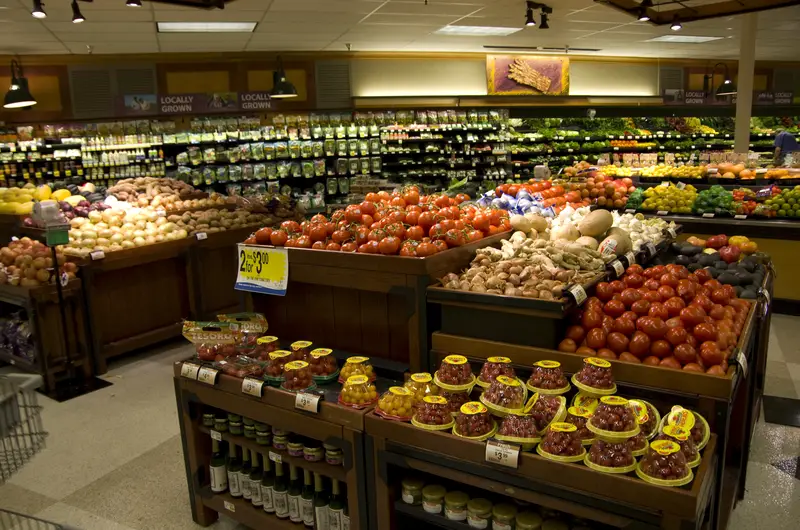
That beautiful apple display at your local supermarket might look perfect, but there’s a good chance those fruits and vegetables have been sitting around longer than you’d like to know. Recent reports show that about $18 billion worth of food shows up at American stores already spoiled. The biggest grocery chains, the ones we all shop at every week, are actually some of the worst when it comes to keeping produce fresh and reducing waste.
Your produce sits in bad conditions before reaching stores
Think about where your tomatoes and lettuce come from before they end up in your cart. They travel hundreds or even thousands of miles, passing through trucks, warehouses, and distribution centers. When these places don’t have the right temperature controls or when trucks get delayed, everything inside starts going bad. The pandemic made this worse, and the problems haven’t really gone away. Labor shortages mean trucks sit waiting to be unloaded, and your produce is just sitting there, wilting and rotting before anyone even puts it on a shelf.
Weather makes things even more complicated. When crops get hit by unexpected heat waves or cold snaps, they’re already damaged before they’re even picked. By the time they reach the distribution centers, they’re compromised. Most big chains don’t have good systems to catch these problems early. That means you’re the one who discovers the issue when you get home and find your strawberries covered in mold or your lettuce already brown and mushy in the bag.
Stores pile up too much produce and let it rot
Walk into any major grocery chain and you’ll see massive displays overflowing with fruits and vegetables. Looks great, right? The problem is that stores deliberately buy way more than they can sell. They know a lot of it will go bad, but they think big displays make customers buy more. What actually happens is that older produce gets buried under the new stuff. Those bananas at the back might have been there for a week or more, but you can’t see them because fresh ones keep getting stacked on top.
This practice creates a cycle of waste that costs everyone money. The stores throw away tons of food, which they make up for by charging higher prices. You end up paying more and still getting produce that doesn’t last. Some smaller stores have figured out that having less on display but rotating it more often actually works better. Customers get fresher food, and the store wastes less. But the big chains keep doing things the old way, prioritizing appearance over actual quality.
Kroger and Albertsons control most stores in many states
If you live in one of 21 states, chances are you’re shopping at a store owned by either Kroger or Albertsons. These two companies run most of the grocery stores in huge parts of the country. When you have that much control over where people shop, you’d think these companies would set the highest standards for quality. Instead, they’re among the worst offenders when it comes to produce problems. Their size actually works against them because they have such complicated systems that it’s hard to keep track of freshness.
Having fewer options means you might not realize how bad the produce quality has gotten. If all the nearby stores are owned by the same parent company, they all have similar problems. You can’t just switch to another chain down the street because it’s probably owned by the same people. This lack of competition means these major retailers don’t have much motivation to improve. They know you’ll shop there anyway because where else are you going to go?
Most big chains don’t use modern tracking technology
Technology exists right now that can tell stores exactly when produce needs to be marked down or thrown out. Some stores use artificial intelligence to monitor freshness and adjust prices automatically. This reduces waste by more than 20 percent because the system knows exactly when to discount something before it goes bad. You get a deal on produce that’s still good but won’t last much longer, and the store doesn’t throw it away. Sounds perfect, right?
Most major chains haven’t bothered to install these systems. They’re still doing things the way they did twenty years ago, with employees walking around checking items by hand. This old method misses a lot of problems and means outdated inventory stays on shelves longer. The technology to fix this isn’t even that expensive anymore, but big companies are slow to change. They’d rather stick with what they know, even if it means customers get worse produce and more gets wasted.
Smaller regional stores actually do better with freshness
Regional grocery chains that only operate in one state or a few nearby states tend to have much fresher produce. They work with farms and suppliers that are closer, so food doesn’t travel as far or sit in trucks as long. They also get deliveries more often because they’re not trying to coordinate shipments across the entire country. When you buy an apple at a regional store, it probably came from within a few hundred miles, not from another continent.
These smaller chains also have better-trained produce staff who actually pay attention to quality throughout the day. They remove bad items quickly and rotate stock properly. Their waste rates are much lower than the standard 15 percent that most large chains accept as normal. This proves that better produce management is totally possible when companies actually care about it. The downside is that regional stores might have higher prices or fewer locations, but the quality difference is often worth it.
Farmers markets give you shorter transportation times
Shopping at farmers markets means you’re buying directly from the people who grew the food, often picked that morning or the day before. There’s no long truck ride, no warehouse storage, no sitting in a cooler for a week. The difference in taste and how long the produce lasts at home is really noticeable. A tomato from a farmers market will actually taste like a tomato and last on your counter for days without going soft.
The main challenges with farmers markets are that they’re not open every day and they might not have everything you need. You also can’t use them as your only source of groceries for most people. But using them for your main produce and supplementing with other items from regular stores can give you much better quality overall. Many farmers markets also cost less than you’d think, especially when you consider how much grocery store produce you throw away because it went bad too quickly after you bought it.
You need to check items carefully before buying them
When you’re shopping at major chains, don’t just grab the first item you see. Reach toward the back or middle of the display because that’s where you’ll find out what the store’s produce really looks like. The perfect-looking items at the front are placed there to make everything look good, but they might be hiding a bunch of bad produce behind them. Press gently on fruits to check for soft spots, look at the bottom of berry containers for mold, and inspect bagged salads for brown leaves.
Don’t feel bad about being picky or spending time examining produce. You’re paying good money for this food, and you deserve to get items that will actually last until you use them. If the store consistently has poor quality produce, even after you’ve tried checking everything carefully, it’s a sign that their whole system has problems. At that point, it’s worth finding another place to shop, even if it’s less convenient.
Staff levels affect how well produce gets managed
Have you noticed that there never seem to be enough employees working in the produce section? That’s not an accident. Big chains run on tight labor budgets, which means they have fewer people than they need to properly manage fresh items. When one person is trying to handle the entire produce department, they can’t check everything regularly, rotate stock properly, or remove bad items as quickly as they should. Things slip through the cracks constantly.
This staffing problem gets worse during busy times when employees are focused on restocking rather than quality control. They’re under pressure to keep displays full, so they just throw new produce on top of old produce. Nobody has time to pull everything forward, check dates, or make sure items at the back are still good. The result is that quality suffers even when employees want to do a good job. They simply don’t have enough hours in the day to maintain standards properly.
Price doesn’t always indicate better quality produce
You might assume that paying more at an upscale grocery chain means you’re getting better produce. Sometimes that’s true, but not always. Expensive stores can have the same supply chain problems as cheaper ones. They might have nicer displays and fancier labels, but the apples could have traveled just as far and sat in storage just as long. Some discount chains actually have better produce because they move inventory faster and have simpler distribution systems.
The best way to judge produce quality is by actually looking at it, not by assuming the store’s overall reputation means everything is great. Try buying the same items from different stores and see which ones last longer at home. You might be surprised to find that the cheaper store has better tomatoes or that the fancy market’s berries go moldy just as fast. Your own experience is the best guide, not the store’s marketing or pricing.
Finding fresh produce shouldn’t be this hard, but knowing what to look for makes a big difference. Check out regional stores when you can, inspect everything before buying it, and don’t be afraid to try farmers markets or other options. The big chains might be convenient, but convenience doesn’t matter much when your vegetables are rotting in the fridge two days after you bought them.
