

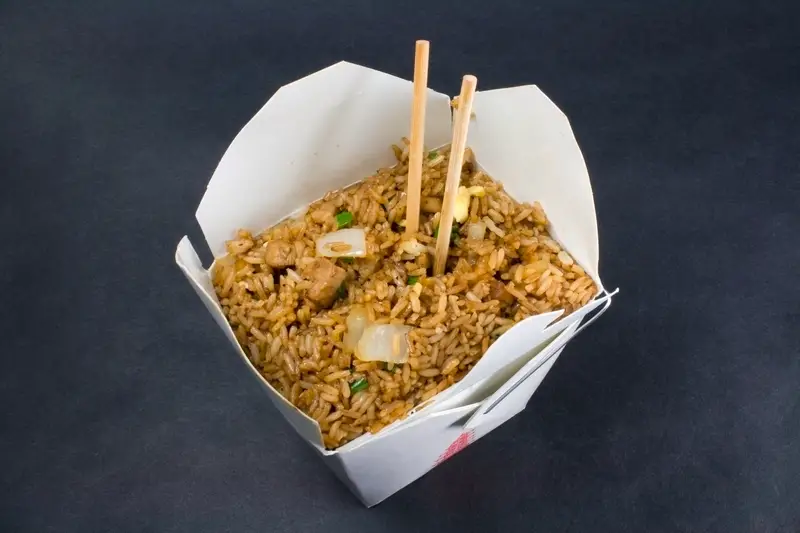
That white box with the wire handle sitting in your fridge right now might seem harmless enough. After a long day at work, nothing sounds better than heating up last night’s General Tso’s chicken and eating it straight from the container. It’s quick, it’s easy, and it saves you from doing dishes. But before you pop that Chinese takeout box into your microwave, you need to know what could happen. Those convenient containers aren’t nearly as microwave-friendly as you might think, and the consequences go way beyond just a few sparks.
Metal handles cause sparks and damage
Those cute little wire handles that make Chinese takeout boxes so easy to carry are actually made of metal. When metal goes into a microwave, it doesn’t just sit there quietly. The electromagnetic waves bounce off the metal and create sparks that light up inside your microwave like a tiny fireworks show. These sparks aren’t just for show either. They can damage the interior of your microwave, burn the food, or even start a fire if you’re really unlucky. Even if the handle itself isn’t metal, the little fasteners that hold it in place often are.
The problem is that metal handles aren’t always obvious at first glance. Sometimes they’re covered with paper or painted to match the box, making them look harmless. You might not realize there’s metal involved until you hear that distinctive crackling sound and see flashes of light through your microwave door. By then, you’ve already put your appliance at risk. The repair costs for a damaged microwave can easily exceed the cost of that leftover lo mein you were trying to heat up.
Cardboard containers have hidden coatings
Even if you carefully remove that metal handle before microwaving, the cardboard box itself presents another problem. Chinese takeout containers aren’t made from plain cardboard. They need to hold hot, saucy food without falling apart or leaking all over your hands during the drive home. To accomplish this, manufacturers coat the inside of these boxes with a thin layer of plastic or wax. This waterproof coating keeps your sweet and sour pork from turning the box into a soggy mess, but it becomes a serious issue when exposed to microwave heat.
When you heat these coated containers in the microwave, the coating can melt or break down. As it does, chemicals from the coating can leach directly into your food. You’re essentially seasoning your fried rice with melted plastic or wax, which wasn’t part of the original recipe. The hotter the microwave gets and the longer you heat the food, the more of these unwanted chemicals end up in your meal. What started as a convenient shortcut turns into eating contaminated leftovers.
Not all restaurant containers are the same
Walk into any Chinese restaurant and you’ll probably see those classic white boxes with red pagodas printed on the side. But not every restaurant uses the same type of container. Some places have switched to clear plastic containers with snap-on lids, while others use foam boxes similar to what you’d get at a diner. A few restaurants have upgraded to containers specifically marked as microwave-safe. The problem is that most customers don’t pay attention to what type of container they’re getting until they’re home and ready to reheat.
Thai restaurants, Vietnamese restaurants, and other Asian eateries often use similar containers, so the same rules apply beyond just Chinese food. Pizza boxes, sandwich wrappers, and containers from other types of restaurants can have the same coating issues. If you have a favorite restaurant that consistently uses better containers, that’s worth remembering for future orders. Some customers have started asking restaurants about their container materials before ordering, or they’ve noticed which places use safer options and choose those spots more often for takeout.
Plastic containers aren’t much better
You might think switching to restaurants that use plastic containers solves the problem. After all, plenty of plastic is labeled as microwave-safe, right? Not so fast. The term microwave-safe really just means the container won’t melt or warp under normal microwave heat. It doesn’t mean nothing bad is happening to your food. When plastic gets heated, even microwave-safe plastic, it can release tiny particles and chemicals into whatever food it’s touching. These microplastics are so small you can’t see them, but they’re definitely there.
The chemicals in plastic containers can disrupt your body’s normal functions in ways scientists are still studying. Some plastics contain compounds that interfere with hormones, while others break down into particles that end up circulating through your system. The food safety concern applies whether you’re heating up sesame chicken or storing leftovers in plastic containers you bought at Target. Even those fancy meal prep containers you spent good money on can pose similar problems when heated repeatedly in the microwave. The convenience factor doesn’t outweigh the potential issues.
Glass and ceramic are your safest options
When it comes to reheating food in the microwave, glass and ceramic containers are the way to go. They don’t contain coatings that melt, they don’t have metal parts that spark, and they don’t release chemicals when heated. A simple glass bowl with a ceramic plate on top works perfectly for reheating Chinese takeout. Pyrex containers, CorningWare dishes, and even your regular dinner plates all work great. Yes, this means transferring your food from the takeout container to a different dish, which creates an extra step and another item to wash.
The extra effort takes maybe thirty seconds and uses one additional dish. That’s a pretty small price to pay for avoiding the problems that come with microwaving food in questionable containers. Glass and ceramic also heat food more evenly than cardboard or plastic containers, so your egg rolls come out hot all the way through instead of cold in the middle and scorching on the edges. If you’re really opposed to doing extra dishes, keep a dedicated glass container just for reheating takeout. Wash it once a week and you’ve minimized both the effort and the risk.
Bringing your own containers works too
Here’s an idea that sounds weird at first but makes perfect sense when you think about it. Bring your own containers to the restaurant when picking up takeout. Most restaurants don’t care what container they put your food in, as long as you’re the one providing it. This works especially well if you’re planning to pick up food on your way home from work or running errands. Keep a glass container or two in your car, and ask the restaurant to pack your order directly into your containers instead of their standard boxes.
The restaurant staff might give you a funny look the first time, but they’ll quickly realize you’re making their job easier by not using their containers. You save money on takeout boxes, the restaurant saves money on supplies, and you don’t have to transfer food when you get home. This approach works best when you call ahead and let them know you’ll be bringing containers. Some restaurants have even started encouraging this practice and offer small discounts to customers who bring reusable containers. It’s becoming more common in environmentally conscious areas.
The recycling situation is complicated
Those takeout containers piling up in your kitchen present another headache beyond just reheating safety. You might assume they’re recyclable since they’re made from paper products, but that coating that keeps them from getting soggy also makes them non-recyclable in most cities. The plastic or wax layer can’t be separated from the cardboard, so the whole thing ends up in the trash. Even in cities with robust recycling programs, these containers usually aren’t accepted. Check the bottom of the container for recycling symbols, but don’t be surprised when you don’t find any.
This means every time you order Chinese takeout, you’re creating trash that goes straight to a landfill or incinerator. The containers can’t be composted either because of those same coatings. If reducing waste matters to you, bringing your own containers becomes even more appealing. Some cities have started programs to collect and properly process these containers, but they’re few and far between. The recycling issue adds another reason to avoid using these containers for reheating, since you’ll need to throw them away anyway instead of reusing them multiple times.
Alternative reheating methods work better anyway
Microwaving isn’t even the best way to reheat Chinese takeout in the first place. Sure, it’s fast, but it turns crispy items soggy and makes everything taste like it’s been sitting under a heat lamp. If you’ve got an extra five minutes, using your oven or stovetop produces much better results. Fried rice tastes amazing when reheated in a skillet with a tiny bit of oil. Egg rolls and spring rolls get crispy again in a toaster oven. Even dishes with sauce taste fresher when warmed up in a pot on the stove.
The stovetop method requires transferring your food to a pan, which means you’re already solving the container problem by default. You can’t exactly put a cardboard box on a burner. An air fryer also works great for reheating Chinese takeout, especially anything that was originally fried or crispy. The air fryer brings back that fresh-from-the-restaurant texture that microwaving destroys. These methods take slightly longer than nuking something for two minutes, but the improved taste and texture make it worthwhile. Plus you avoid all the container-related issues entirely.
Most people don’t know about these risks
Walk into any office break room around lunchtime and you’ll probably see someone microwaving leftovers in a takeout container. Most people have no idea they’re doing anything wrong. The containers seem designed for convenience, they have handles for easy carrying, and they fit perfectly in the fridge and microwave. Nothing about them screams danger or warns you not to heat them up. Restaurants don’t include warning labels, and nobody teaches you about container safety in school. It’s just one of those things people figure out through trial and error or random internet articles.
The sparking metal handle is the most obvious problem, but that’s also the one people discover firsthand when they see fireworks in their microwave. The coating issues are invisible, so people keep microwaving food in these containers without realizing anything is wrong. The food tastes the same, looks the same, and doesn’t give any obvious signs of contamination. By the time you learn about the problem, you’ve probably already microwaved dozens of meals in questionable containers. Better late than never though. Once you know, you can change your habits going forward and maybe warn a few friends who are still nuking their kung pao chicken in cardboard boxes.
Next time you’re standing in your kitchen with a box of leftover Chinese food, take the extra thirty seconds to transfer it to a proper container. Your microwave will last longer, your food will taste better, and you won’t be eating whatever chemicals might leach out of that convenient cardboard box. It’s a small change that makes a real difference in how you handle one of life’s simple pleasures. Those fortune cookies don’t come with fortunes about food safety, but they probably should.
