

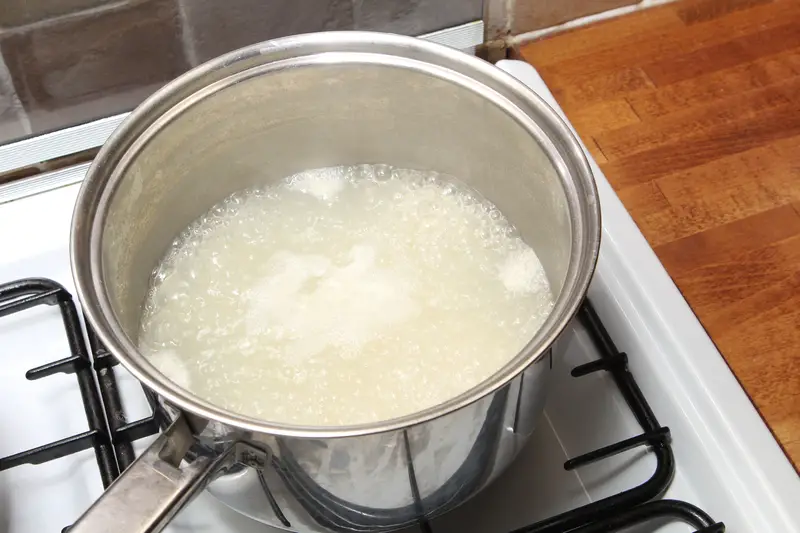
Most people think cooking rice is simple: rice plus water equals dinner. But here’s something that might change how you think about this basic kitchen task – plain water is actually the most boring liquid you could use. Smart home cooks have been quietly swapping water for other liquids that transform ordinary rice into something amazing. These simple switches don’t require fancy techniques or expensive ingredients, just a willingness to try something different in your own kitchen.
Chicken broth makes rice taste like restaurant quality
That bland, boring rice sitting on your plate could taste like something from a fancy restaurant with one simple swap. Chicken broth transforms plain rice into something that actually has personality. The rice soaks up all that savory goodness while it cooks, creating a side dish that people will actually want seconds of. This isn’t some complicated cooking technique either – just use the same amount of broth as you would water.
The best part about this trick is that it works with any type of broth you have on hand. Vegetable broth gives rice an earthy taste that pairs perfectly with roasted vegetables. Beef broth creates a heartier dish that stands up to grilled meats. Dietitians recommend this swap because it adds extra protein and nutrients without any extra effort. Plus, if you want a milder taste, just mix half broth with half water.
White wine creates the fluffiest rice ever
Italian cooks have been using this secret for generations, and it’s time everyone else caught on. White wine doesn’t just add sophisticated taste to rice – it actually makes the grains fluffier and less sticky. The acid in the wine breaks down excess starch that usually makes rice clump together in an unappetizing mess. Don’t worry about the alcohol content either, since most of it cooks off during the process.
This technique works especially well when combined with chicken broth for an extra layer of complexity. The wine adds a bright, acidic note that balances out the richness of the broth. Food experts call cooking rice in chicken broth and white wine the secret to mind-blowing rice that rivals expensive restaurant dishes. Just replace about a quarter of your liquid with white wine and prepare to be amazed by the results.
Coconut milk gives rice an amazing creamy texture
Coconut milk turns regular rice into something that tastes like it came from a tropical vacation. The natural fats in coconut milk create an incredibly rich, creamy texture that regular water could never achieve. This technique is popular in Southeast Asian cooking, where coconut rice appears alongside spicy curries and grilled meats. The sweetness of coconut perfectly balances out hot, spicy dishes.
Since coconut milk is thicker than water, most recipes suggest mixing it half and half with regular water to prevent the rice from getting too sticky. Canned coconut milk works perfectly for this since it has a long shelf life and keeps in the pantry. Cooking experts recommend using basmati rice instead of short grain varieties when trying this method, since longer grains have less starch and won’t clump together as much.
Tea adds unexpected depth without extra calories
This might sound weird, but cooking rice in tea opens up a whole world of subtle variations that will surprise anyone who tries it. Different teas create completely different experiences – jasmine tea gives rice a delicate floral note, while ginger tea adds a warm, spicy kick. Green tea creates an earthy, sophisticated taste that works beautifully with Asian dishes. The best part is that tea doesn’t add calories or fat like other liquid swaps do.
This technique is incredibly flexible since most people already have various tea bags sitting in their kitchen cabinets. Simply brew the tea stronger than you would for drinking, then use it as the cooking liquid for rice. One home cook tried making rice with chamomile tea and described it as “honestly perfect” for a subtle, relaxing meal. Creative cooks have experimented with everything from Earl Grey to herbal blends, discovering new combinations that make ordinary rice extraordinary.
Coconut water keeps rice light and refreshing
Unlike its creamy cousin coconut milk, coconut water creates rice that tastes light and refreshing while still delivering that tropical coconut essence. Since coconut water has a consistency similar to regular water, it works exactly the same way in terms of cooking technique. The rice absorbs the subtle sweetness and coconut aroma without becoming heavy or rich like it would with coconut milk.
This swap works particularly well with dishes that need a lighter touch, like Thai curry or grilled fish. Coconut water also adds beneficial minerals like potassium and magnesium to the rice without adding significant calories. Food experts suggest this as an easy way to elevate simple chicken and rice dishes or create a perfect base for Caribbean-inspired meals. If the coconut taste seems too strong, try mixing half coconut water with half regular water.
A splash of vinegar prevents sticky rice disasters
Anyone who has ever made rice that turned into a gummy, sticky mess knows how frustrating it can be. The solution is surprisingly simple: add just a teaspoon of vinegar to the cooking liquid for every cup of rice. The acid in vinegar prevents the starches from getting too thick and sticky, resulting in perfectly fluffy, separated grains every single time. This trick works with any type of vinegar, though white vinegar and rice vinegar are the most neutral options.
This technique has been used in sushi preparation for years, where perfectly textured rice is absolutely essential. The vinegar also adds a subtle tangy note that enhances the overall taste of the dish without being overwhelming. Professional cooks rely on this method when they need consistently perfect rice results. The amount needed is so small that most people won’t even notice the vinegar taste, but they’ll definitely notice how much better the rice texture turns out.
Tomato paste creates colorful Mexican-style rice
Plain white rice looks pretty boring on the plate, but adding tomato paste transforms it into something that actually looks appetizing. This technique creates the foundation for Mexican red rice and Spanish rice dishes that have been popular for generations. The tomato paste adds a beautiful reddish color along with a tangy, slightly sweet taste that pairs perfectly with Mexican and Mediterranean foods.
Since tomato paste is too thick to use by itself, it gets mixed into chicken broth or water before cooking the rice. Most recipes call for about two tablespoons of tomato paste per cup of rice, creating a vibrant dish that looks restaurant-quality. Traditional recipes from West Africa and Latin America have used variations of this technique for centuries, often adding onions and garlic for even more depth. The shelf-stable nature of tomato paste makes this an easy pantry upgrade for boring weeknight dinners.
Dashi stock brings serious umami power
Most Americans have never heard of dashi, but this Japanese stock might be the most powerful rice upgrade available. Dashi delivers intense umami – that savory, meaty taste that makes food incredibly satisfying even without actual meat. The stock comes from seaweed and mushrooms, creating a complex base that transforms simple rice into something that tastes like it came from an expensive Japanese restaurant.
The intimidating name shouldn’t scare anyone away since instant dashi powder is available at most Asian grocery stores and even some regular supermarkets. Just mix the powder with water according to package directions, then use it as the cooking liquid for rice. Japanese cooks often use this as the base for takikomi gohan, a one-pot rice dish that includes vegetables and meat cooked right in with the rice. Even vegetarian versions made with just mushrooms and seaweed create incredibly satisfying meals.
Butterfly pea tea turns rice bright blue naturally
Sometimes food needs to be fun, and butterfly pea tea creates rice that’s guaranteed to start conversations. This Southeast Asian flower produces a natural blue color that’s completely safe and surprisingly beautiful. The tea itself has a very mild taste, so it won’t interfere with the rice’s natural character while creating an Instagram-worthy dish that looks like it came from a fancy restaurant.
The dried flowers can be ordered online or found at specialty tea shops, and a little goes a long way in terms of color impact. Malaysian restaurants use this technique to create nasi kerabu, a rice dish that’s considered one of the most visually stunning rice preparations in the world. Food enthusiasts love experimenting with this natural coloring because it proves that healthy, natural ingredients can create dramatic results without artificial additives or complicated techniques.
These liquid swaps prove that boring rice doesn’t have to be the default option anymore. Each technique brings something different to the table, whether it’s richer taste, better texture, or more interesting colors. The next time plain water seems like the obvious choice for cooking rice, remember that the most obvious choice isn’t always the best choice.
