

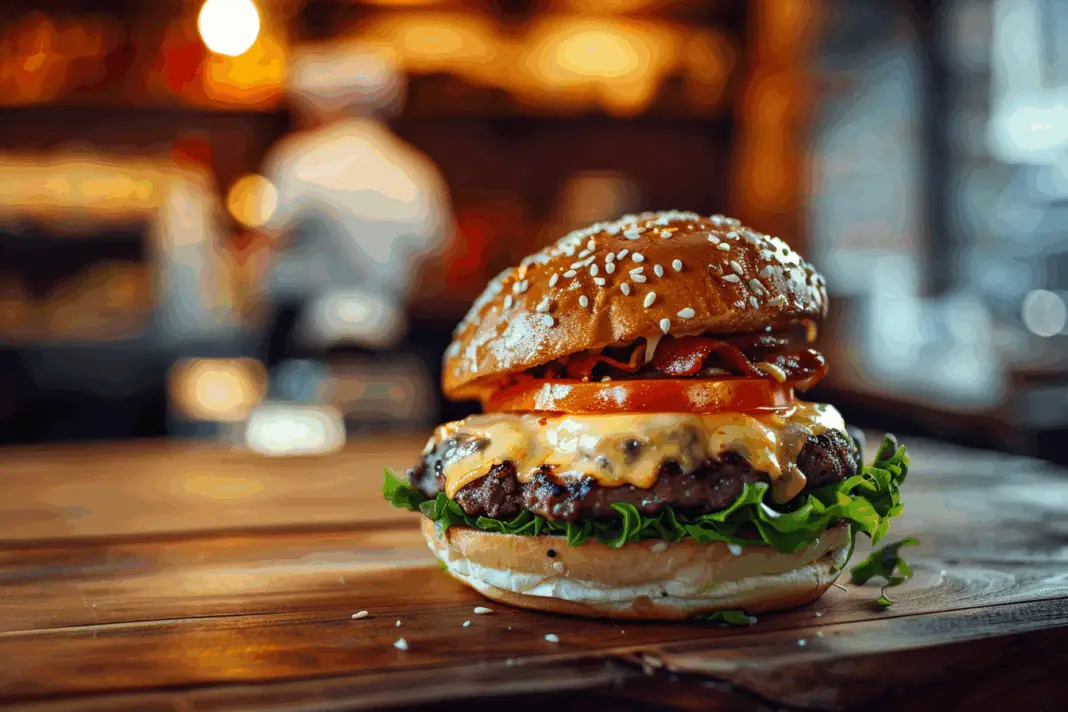
Ever wonder why that perfectly cooked burger you made at home still doesn’t match the one from your favorite restaurant? Even when you follow all the right steps, use good ingredients, and cook it just how you like it, something always seems missing. The truth is, restaurants have several tricks up their sleeves that most home cooks don’t know about, and these secrets make all the difference between a decent burger and an amazing one.
Most people pack their patties too tight
When making burgers at home, most people grab that ground beef and squeeze it into a tight ball before flattening it into a patty. This seems logical – you want it to hold together, right? Wrong! This creates dense, tough burgers that taste more like hockey pucks than juicy restaurant-style patties. The meat gets compressed so much that it loses its natural texture and becomes chewy instead of tender.
Restaurant cooks know better. They handle the meat like it’s made of glass, using the lightest touch possible to form patties. Professional cooks barely press the meat together, just enough to keep it from falling apart. This gentle approach keeps the meat loose and airy, which means more juice stays trapped inside during cooking. The result is a burger that practically melts in your mouth instead of requiring serious jaw work.
Home kitchens can’t match restaurant heat levels
Your home stove probably maxes out around 15,000 BTUs if you’re lucky. Restaurant kitchens? They’re running equipment that hits 30,000 BTUs or more. This massive difference in heat power means restaurants can sear burgers at temperatures that create that perfect crispy crust while keeping the inside juicy. Your home burner simply can’t generate enough heat to get the same results, no matter how long you preheat that pan.
The high heat also creates better browning reactions, which develop deeper, more complex tastes. Professional kitchens use specialized griddles and cast iron that stays perfectly seasoned and distributes heat evenly. Plus, they’re not afraid to crank up the heat because they have powerful ventilation systems. At home, you’re probably worried about setting off the smoke alarm, so you cook at lower temperatures that just can’t deliver the same results.
Restaurants use way more fat and salt
Let’s be honest – restaurants don’t worry about your diet. They care about making food that tastes incredible, and fat plus salt equals incredible taste. While you might be conservative with butter, oil, and seasoning at home, restaurant kitchens use these ingredients liberally. They’ll butter the grill, add extra fat to the cooking surface, and season much more generously than most home cooks dare to.
This isn’t just about being indulgent – it’s about understanding how these ingredients work. Salt doesn’t just make things salty; it enhances all the other tastes in the burger. Fat carries those enhanced tastes and creates the rich mouthfeel that makes restaurant burgers so satisfying. Professional chefs know exactly when and how much to use, while home cooks often hold back and end up with bland results.
The meat blend makes a huge difference
Most people grab whatever ground beef is on sale at the grocery store, usually just plain ground chuck or ground round. Restaurants take a completely different approach. They often create custom blends using different cuts of beef – combining chuck with brisket, short rib, or other cuts to get exactly the right fat content and taste profile they want. This creates much more complex and interesting meat than single-cut ground beef.
The fat ratio is crucial too. Restaurant burgers typically use an 80/20 blend (80% lean meat, 20% fat) as the sweet spot for juiciness without falling apart. Many home cooks go for leaner options thinking they’re healthier, but this just results in dry, tough burgers. Others go too fatty and end up with patties that disintegrate on the grill. Restaurants have tested and perfected these ratios through experience.
Timing the salt application wrong ruins everything
Here’s where many home cooks mess up without realizing it. They season their burger patties way ahead of time, sometimes even mixing salt directly into the raw ground beef. This is a recipe for tough, dry burgers. Salt draws moisture out of meat, and when you give it too much time to work, it essentially starts curing the beef like you’re making jerky instead of preparing a juicy burger.
Restaurant cooks have this timing down to a science. Professional chefs season their patties right before they hit the heat – we’re talking seconds, not minutes or hours ahead. This gives the salt just enough time to start enhancing the meat’s natural taste without sucking out all the moisture. It’s a simple timing trick that makes a massive difference in the final result.
Restaurant buns are chosen specifically for burgers
Most people just grab whatever hamburger buns look decent at the store, but restaurants put serious thought into bun selection. They’re looking for buns that can handle juicy patties without falling apart, but won’t overpower the meat with too much bread. The texture, density, and even the age of the bun matters. Fresh isn’t always better – slightly day-old buns actually hold up better to burger juices.
The toasting technique is just as important as the bun choice. Professional establishments often use buttered brioche that’s been toasted to create the perfect balance – crispy enough to provide structure but not so crunchy that it competes with the burger. They toast both sides to create a barrier that prevents sogginess while adding another layer of taste that complements rather than masks the meat.
Better ingredients cost more but deliver results
While you’re shopping for deals at the grocery store, restaurants are building relationships with suppliers who provide premium ingredients. They’re getting grass-fed beef with better marbling, fresher vegetables that haven’t been sitting in storage, and specialty cheeses that actually melt properly. These ingredients cost more, but they create a noticeable difference in the final product that home cooks using standard grocery store ingredients struggle to match.
The quality difference extends beyond just the meat. Restaurant establishments source heirloom tomatoes, organic lettuce, and artisanal cheeses that transform ordinary burgers into something special. They also have access to fresher ingredients because of their volume and turnover rate. That head of lettuce at your house might be a week old, while restaurant vegetables are often delivered daily.
The psychology of eating out affects taste
There’s actually a mental component to why restaurant burgers taste better, and it has nothing to do with cooking technique. When someone else prepares your food, you approach it with different expectations and a more relaxed mindset. You’re not tired from shopping, prepping, and cooking. You haven’t been smelling the ingredients for the past hour. Your brain is primed to enjoy the experience rather than critique your own cooking skills.
This psychological factor combines with the professional preparation to create a genuinely better eating experience. Food tastes different when you haven’t spent your own time and energy preparing it. You’re also eating in an environment designed for dining, not in your kitchen surrounded by dirty dishes and prep mess. The complete experience – not just the food itself – contributes to why that restaurant burger hits differently than your homemade version.
Restaurant burgers taste better because professional kitchens combine superior equipment, premium ingredients, perfected techniques, and optimal timing that most home cooks can’t replicate. While you can improve your home burgers by using these insights, the complete restaurant experience involves factors beyond just cooking that contribute to that perfect bite you’re trying to recreate.
