

There’s a running joke online that Boomers will drive 45 minutes to eat at an Olive Garden when there’s a locally owned Italian place two blocks from their house. And honestly? They don’t care. They’ve made their choice, and they’re sticking with it. The generation born between 1946 and 1964 has a deep, almost unshakable loyalty to a handful of chain restaurants — and the common thread is clear: massive portions, familiar menus, and zero surprises.
This isn’t random. These are people who grew up during postwar America, when abundance wasn’t just nice — it was the whole point. Bigger cars, bigger houses, bigger plates. That mentality stuck. And the chains that figured it out early have been riding that wave for decades. A recent YouGov study measuring public perception of major restaurant chains confirmed what most of us already knew: Boomers don’t want trendy. They don’t want Instagram-worthy. They want what works.
Olive Garden: The One They Never Left
Olive Garden opened in 1982 in Orlando, Florida, right when a huge chunk of Boomers were in their 30s, raising kids, and looking for a place to take the family that felt a little special without being expensive. It worked. The restaurant made Italian food feel accessible to suburban America at a time when most people’s idea of pasta was whatever came out of a box.
Recent research shows 67% of Boomers still have positive feelings about Olive Garden. The never-ending breadsticks, the bottomless soup or salad with every entrée, the Tour of Italy plate that lets you try three different pastas in one sitting — it’s all designed around the idea that more is more. The chain spent 14 years telling customers “When you’re here, you’re family,” and Boomers clearly took that to heart. They still show up, they still order the same thing, and they still leave with a to-go box.
Outback Steakhouse: Fake Australian, Real Loyalty
Outback Steakhouse opened in 1988, which makes it younger than most of the chains on this list, but it still has over 30 years of loyal customers — and 69% of Boomers rate it highly according to recent data. That’s the highest approval rating of any steakhouse chain among that generation.
The Bloomin’ Onion alone takes up an entire plate and honestly could be a meal by itself. The steaks come with loaded mashed potatoes, and there are oddball menu items like ahi tuna that keep things from getting stale. Sure, Outback often ends up on “worst steakhouse” lists from food critics. Boomers don’t care. The familiar experience matters more than what some food writer in Brooklyn thinks. It’s consistent, the portions are big, and nobody’s going to judge you for ordering a well-done ribeye.
The Cheesecake Factory: A Menu the Size of a Phone Book
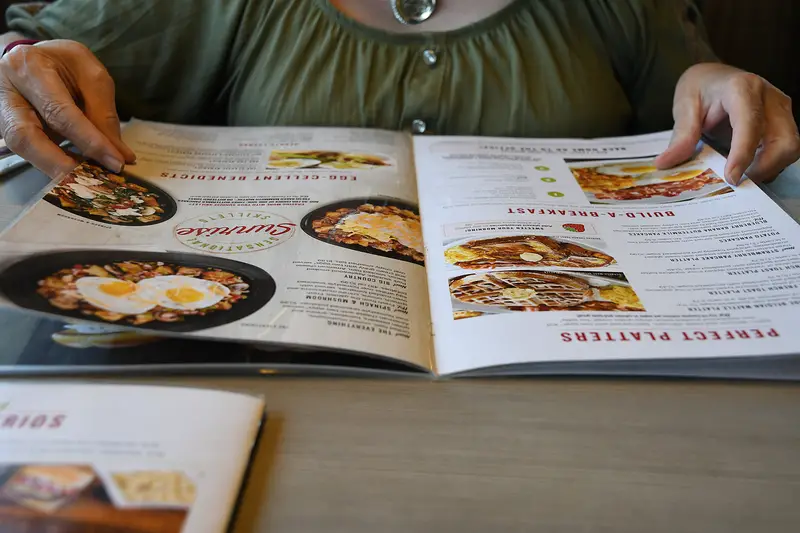
The Cheesecake Factory menu is basically a spiral-bound novel. Over 250 items. More than 50 cheesecake varieties. You could eat there every week for a year and never order the same thing twice. For a generation that values having options, it’s paradise.
The portions are famously absurd. A single entrée often requires a to-go box before dessert even arrives. The Louisiana Chicken Pasta could feed a small family. A single slice of cheesecake is big enough for two people to share — and you still might need a doggie bag. Boomers remember when value meant abundance, and The Cheesecake Factory delivers that. The chain became a special occasion destination in the 1990s and never really lost that status. Clean bathrooms, good lighting, friendly service. It checks all the boxes for a generation that wants a night out to feel like a night out.
Cracker Barrel: Part Restaurant, Part Time Machine
Cracker Barrel was founded in Tennessee in 1969 and has over 650 locations in 44 states. But calling it a restaurant doesn’t really capture what it is. It’s part diner, part gift shop, part museum of Americana. The wooden rocking chairs out front, the checkerboard games at every table, the walls covered in authentic antiques — for Boomers, walking into a Cracker Barrel is like stepping into a memory of road trips from the ’70s and ’80s.
The menu is pure comfort: chicken and dumplings, biscuits with gravy, fried okra, hash brown casserole, buttermilk biscuits. It taps into something emotional. Boomers came from a generation where home-cooked meals meant love, and Cracker Barrel has bottled that feeling and served it with a side of sawmill gravy. For retirees, that sense of familiarity — knowing exactly what you’re going to get before you even sit down — is worth the drive.
Red Lobster: Seafood for the Landlocked
Red Lobster exists because of one simple insight: people living in the middle of the country didn’t have access to fresh seafood. Bill Darden founded the chain in 1968 in Florida specifically to bring fish and shellfish inland at prices regular families could afford. Boomers were between 4 and 22 years old when it opened, and many of them never stopped going.
A 2018 survey found 60% of Boomers ranked it highly, making it their 19th favorite restaurant overall. The Cheddar Bay Biscuits became so popular that the restaurant started selling packaged mixes in grocery stores. And the portions are serious — you can order a 3-pound snow crab dinner or family-sized seafood boils. Even with the chain’s recent financial struggles, Boomers still show up for those biscuits and all-you-can-eat shrimp promotions.
Texas Roadhouse: Peanuts on the Floor and Rolls That Ruin Diets
Texas Roadhouse offers big portions, solid steaks, and an atmosphere that’s somewhere between a honky-tonk and a family cookout. There’s country music, buckets of peanuts you’re supposed to throw on the floor, and staff who treat you like a regular after your second visit. The steaks come with two sides, and every table gets unlimited freshly baked rolls with honey cinnamon butter that are dangerously addictive.
It’s casual enough to wear jeans but festive enough to feel like an event. For Boomers, that’s the sweet spot. You’re not dressing up. You’re not decoding a menu written in French. You’re eating a big steak, throwing peanut shells on the ground, and having a good time. The value-to-portion ratio is hard to beat, and the chain has built a massive following among people who just want a solid meal without any pretension.
Sizzler: The Ghost of Buffets Past
Sizzler was founded in 1958 in Culver City, California, and it basically invented the salad bar movement in casual dining. By the 1980s, it was the place — the steakhouse that defined a decade of dining with its unlimited seafood campaign, enormous portions, and a general vibe of excess that matched the era perfectly. The all-you-can-eat buffet featured everything from pasta and tacos to soups and sweets.
The original owners, Del and Helen Johnson, wanted to provide affordable steak dinners to the average American family. And they did. But Sizzler hit hard times — a rebrand to buffet-centric dining in the ’90s led to an identity crisis, and COVID-era shutdowns knocked out many locations. The U.S. footprint has shrunk significantly, though the chain has found success overseas in places like Thailand. For Boomers who remember the heyday, Sizzler represents a specific era of American dining that’s mostly gone now.
Waffle House and Denny’s: The 24-Hour Holdouts
Waffle House started in Georgia in the mid-1950s and now has nearly 2,000 locations, all serving the same massive breakfast platters with the same small-town diner energy. About 58% of Boomers still love it. The waffles are enormous, the menu hasn’t changed much in decades, and the restaurant even inspired a Hootie and the Blowfish album called “Scattered, Smothered and Covered.” That’s a level of cultural loyalty you can’t manufacture.
Denny’s fills a similar niche — it’s been around since the 1950s, stays open 24 hours in many locations, and 65% of Boomers still go for the classic diner setup. Grand Slam breakfasts, burgers, milkshakes, all available at 3 a.m. if that’s when you want them. Both chains survive on the same principle: don’t change. Don’t try to be something you’re not. Just be there, be consistent, and keep the coffee coming.
Why Consistency Wins Every Time
There’s a pattern here that goes beyond just big plates. Every single one of these restaurants offers the same thing: predictability. You can walk into an Olive Garden in Tampa or Tulsa or Tacoma and get the exact same breadstick, the exact same salad dressing, the exact same pasta. For a generation that’s watched the world change in ways they didn’t always ask for, that kind of reliability is worth something.
Younger generations might roll their eyes at a Bloomin’ Onion or a Cheesecake Factory menu the size of a textbook. But there’s a reason these places have survived for 30, 40, even 50 years. They figured out something simple: give people a lot of food, don’t mess with the recipe, and make them feel like they got their money’s worth. Boomers understood that deal from the beginning, and they’re not about to renegotiate it now.
