

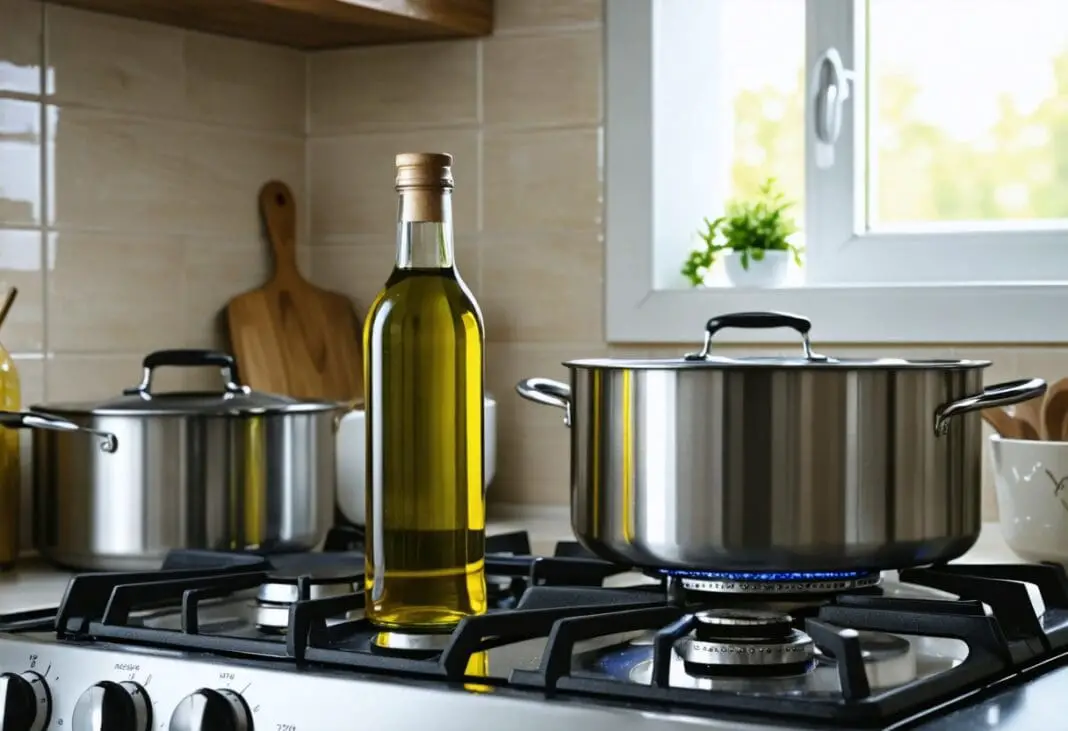
That shiny bottle of olive oil sitting next to the stove might seem like the perfect solution for sticky pasta, but it’s actually sabotaging dinner in ways most people never realize. Millions of home cooks religiously drizzle oil into their boiling water, thinking they’re preventing a gummy mess, but this common practice creates more problems than it solves and leaves pasta dishes tasting disappointingly bland.
Oil creates a slippery coating that blocks sauce
Picture trying to get tomato sauce to stick to a buttered plate – that’s essentially what happens when oil gets added to pasta water. The oil doesn’t magically disappear during cooking; instead, it coats each noodle with an invisible barrier that repels whatever sauce gets added later. This means the carefully prepared marinara or creamy alfredo just slides right off, pooling sadly at the bottom of the bowl instead of clinging where it belongs.
Professional chefs understand this fundamental problem, which is why third-generation Italian-American cooks strongly advise against this practice. The oil creates what’s essentially a non-stick surface on pasta, turning what should be a unified dish into separate components that never properly combine. Instead of each bite delivering the perfect balance of pasta and sauce, diners end up with plain noodles and sauce that refuses to stay put.
The oil just floats uselessly on top anyway
Basic science explains why adding oil to pasta water is completely pointless for preventing sticking. Oil and water don’t mix, so that expensive extra virgin olive oil just sits on the surface, forming a thin layer that has zero contact with the pasta swimming below. The noodles spend their entire cooking time in plain salted water, never actually touching the oil that was supposed to help them.
This means the oil serves no function during the actual cooking process, making it a complete waste of money and ingredient. When the pasta gets drained, some of that surface oil might coat the noodles briefly, but this only creates the sauce-repelling problem mentioned earlier. Italian chefs recommend saving that precious olive oil for where it actually belongs – drizzled over the finished dish or incorporated into the sauce itself.
Frequent stirring actually prevents sticking better
The real secret to non-sticky pasta has nothing to do with oil and everything to do with movement and space. Stirring the pot frequently, especially during the first few crucial minutes of cooking, keeps individual pieces of pasta from clumping together as their surfaces release starch. This simple technique costs nothing extra and actually works, unlike the oil method that just creates expensive problems.
Using plenty of water gives pasta room to move freely, which naturally prevents sticking without any additives needed. A good rule is about four to six quarts of water per pound of pasta, giving each piece enough space to cook evenly. Combined with regular stirring, this approach eliminates the sticky pasta problem that leads people to reach for oil in the first place, creating perfectly separated noodles that welcome sauce with open arms.
Pasta water should help bind sauce instead
That starchy, salty pasta cooking water is actually liquid gold for creating restaurant-quality dishes at home. When reserved and added to sauce, it helps create the perfect consistency and helps everything stick together beautifully. The natural starches released during cooking act like a binding agent, turning thin sauces into silky coatings that cling perfectly to every surface of the pasta.
Adding oil to the water dilutes these valuable starches and reduces the binding power of the cooking liquid. Side-by-side tests show that dishes made with starchy pasta water have noticeably better texture and sauce adhesion than those made with oil-contaminated water. Smart cooks always reserve a cup of pasta water before draining, then use it to adjust sauce consistency and create that glossy, professional finish.
Oil belongs in the sauce, not the water
Good olive oil should be tasted and appreciated, not wasted in boiling water where its flavor gets completely lost. When oil goes into the cooking water, it never has a chance to contribute its distinctive taste to the finished dish. Instead, it gets drained away or creates that problematic coating that interferes with proper sauce adhesion, making the expensive ingredient completely counterproductive.
Professional kitchens add oil directly to sauces or drizzle it over completed dishes, where it can actually be tasted and appreciated. This approach maximizes both flavor and texture, allowing the oil to enhance the eating experience rather than working against it. Whether finishing a simple aglio e olio or adding richness to a cream sauce, oil performs much better when used intentionally rather than dumped into cooking water out of habit.
The right pot size matters more than additives
Using an appropriately sized pot eliminates most pasta problems without needing any special tricks or additives. A wide, deep pot gives pasta room to circulate freely, preventing the overcrowding that leads to sticking in the first place. When noodles have adequate space to move around, they cook evenly and separate naturally, making oil additions completely unnecessary.
Many home cooks try to compensate for using too small a pot by adding oil, but this backwards approach just creates new problems while failing to solve the original issue. Investing in a large pasta pot or using the biggest available pot makes a dramatic difference in results. The extra water capacity means more stable cooking temperature and better pasta movement, delivering consistently better results than any additive ever could.
Salt is the only addition pasta water actually needs
Properly salted pasta water is the foundation of great pasta dishes, but it needs to taste like seawater to do its job effectively. The salt penetrates the pasta during cooking, seasoning it from the inside out in a way that surface seasoning can never match. This internal seasoning creates depth of flavor that makes even simple butter or olive oil preparations taste restaurant-quality.
Unlike oil, salt actually dissolves into the cooking water and serves multiple important functions throughout the process. It seasons the pasta, helps maintain proper texture, and contributes to the starchy cooking liquid that later helps bind sauces. Professional chefs rely on generous salting as the single most important step in pasta preparation, making additional additives like oil completely redundant.
Timing the pasta-sauce combination prevents all problems
The secret to perfect pasta lies in timing the marriage between noodles and sauce, not in water additives that interfere with this crucial relationship. Pasta should be slightly underdone when it gets transferred to the sauce, allowing it to finish cooking while absorbing flavor. This technique creates unified dishes where pasta and sauce taste like they belong together, not like separate components forced into the same bowl.
Finishing pasta in its sauce with a splash of starchy cooking water creates the silky, glossy coating that defines great pasta dishes. Testing shows this method produces superior results compared to simply topping drained pasta with sauce. The gentle final cooking allows flavors to meld while the starchy water helps create the perfect consistency, making oil additions not just unnecessary but actually harmful to the final result.
Breaking the oil habit improves every pasta dish
Once cooks stop adding oil to pasta water, they immediately notice how much better their sauces stick and how much more flavorful their dishes become. The difference is particularly dramatic with lighter sauces like aglio e olio or simple tomato preparations, where proper pasta-sauce adhesion makes or breaks the eating experience. Without oil creating a barrier, every bite delivers the intended balance of flavors.
Restaurants never add oil to pasta water because they understand how it undermines the final dish, yet home cooks continue this counterproductive practice based on outdated advice. Breaking this habit costs nothing and immediately improves results, making it one of the easiest upgrades any home cook can make. The money saved on wasted oil can go toward higher-quality pasta or better ingredients where they actually make a difference in the finished dish.
That bottle of olive oil belongs in the pantry, not floating uselessly on top of pasta water where it creates more problems than solutions. Proper technique – generous salting, adequate pot size, frequent stirring, and smart timing – delivers consistently better results than any shortcut ever could. Save the good oil for finishing dishes where its flavor can shine, and watch pasta night transform from adequate to absolutely delicious.
