

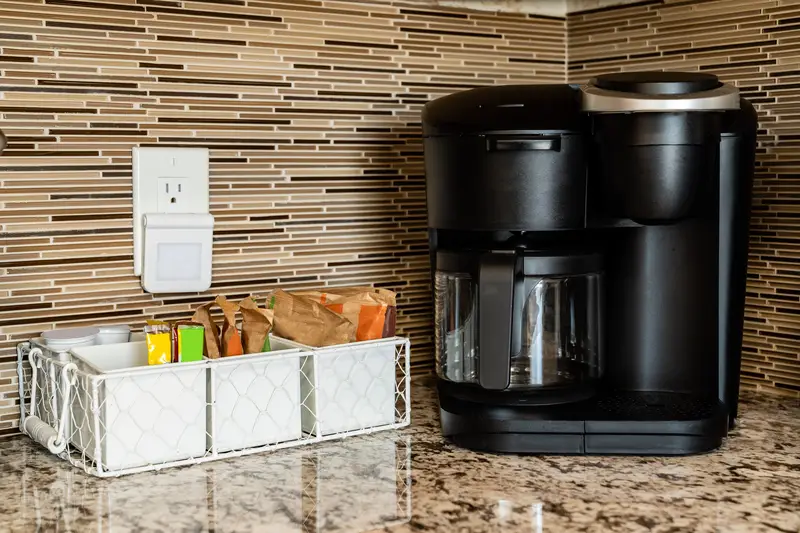
Nobody wants to talk about replacing their coffee maker. It’s like admitting a relationship is over — you keep telling yourself it’s fine, everything’s fine, the coffee is fine. But deep down you know something changed. The brew tastes off. The machine makes a sound like a cat stuck in a wall. There’s a puddle of water on your counter every morning that you just keep wiping up like that’s a normal thing to do.
Here’s the thing: coffee makers don’t die all at once. They die slowly, over weeks and months, giving you little signals the whole time. Most of us ignore those signals because the machine still technically turns on. But “technically turns on” is a pretty low bar for a piece of equipment you depend on every single morning. Let’s talk about the warning signs that mean your coffee maker has entered its final chapter — and what you should actually do about it.
It Takes Way Longer to Brew Than It Used To
Think back to when you first got your coffee maker. It probably cranked out a full pot in five or six minutes. Now? You’re standing there in your bathrobe at 6:45 a.m. watching it dribble like a leaky faucet, wondering if you have time to shower before it finishes. That slow-down isn’t you being impatient — it’s a real, measurable decline in your machine’s performance.
When a coffee maker takes longer and longer to brew each cup, it usually means mineral deposits have built up inside the water lines and heating element. You can try descaling it with vinegar or a commercial descaling solution, and sometimes that buys you a few more months. But if you’ve already done that and the machine is still crawling, the internal components are wearing out. No amount of vinegar fixes corroded heating coils.
A standard 12-cup drip coffee maker should finish a full pot in under 10 minutes. If yours is pushing 15 or 20, that’s not just annoying — it’s also affecting the taste of your coffee, because the water isn’t spending the right amount of time in contact with the grounds.
The Water Isn’t Getting Hot Enough
This one is sneaky because you can’t see it happening. The ideal brewing temperature for coffee is between 195°F and 205°F. When your machine is new, it hits that range without any trouble. But as the heating element degrades — which happens to every coffee maker eventually — the water temperature starts dropping. And when water isn’t hot enough, it can’t properly extract the flavors from the coffee grounds.
The result? Weak, under-extracted coffee that tastes flat and sour. You might think you just bought a bad bag of beans, or maybe you’re not using enough grounds. So you start adding extra scoops, spending more money on coffee, all because your machine can’t get hot enough anymore.
Want to test it? Brew a pot and immediately stick a kitchen thermometer in the carafe. If the coffee comes out below 190°F, your heating element is on its way out. That’s not a part most people can replace at home, and on a $40-$80 drip machine, the repair cost doesn’t make sense. Time for a new one.
It’s Leaking Water Onto Your Counter
A small puddle of water near your coffee maker might seem harmless. You wipe it up, move on with your day. But leaks are one of the most serious signs that your machine is done. Internal seals, tubes, and gaskets all degrade over time, and once they start failing, the problem only gets worse.
Beyond the mess, leaks can cause real problems. Water near electrical components is never a good combination. And if your machine is leaking internally, you’re also not getting a full volume of coffee in the pot — some of that water is going somewhere it shouldn’t. That means inconsistent brew strength and wasted coffee grounds.
If you notice the leak is coming from the bottom of the machine, do not keep using it. That’s where the wiring lives. Unplug it, dry everything off, and start shopping. A leaking coffee maker is not a coffee maker with character — it’s a safety hazard sitting on your kitchen counter.
Strange Noises That Weren’t There Before
Coffee makers aren’t silent machines. They gurgle, they hiss, they make that satisfying bubbling sound as the water heats up and flows through the grounds. That’s normal. What’s not normal is grinding, clicking, sputtering, or loud popping sounds that weren’t there before.
New or unusual noises usually mean something mechanical is failing. The pump might be struggling to move water through clogged lines. The heating element might be cycling on and off irregularly. Air pockets in the water system can cause loud sputtering and spitting. If your Keurig sounds like it’s trying to launch itself into orbit every time you press the brew button, that’s not a quirk — that’s a cry for help.
Espresso machines and single-serve brewers are especially prone to pump noise as they age. The pumps in those machines work under pressure, and when the internal seals start to go, the pump has to work harder and louder to do the same job. Once a pump starts struggling, failure usually isn’t far behind.
Your Coffee Tastes Wrong and You Can’t Fix It
You’ve tried different beans. You’ve adjusted the grind size. You’ve cleaned the machine twice. You’ve used filtered water. And still — the coffee tastes like hot disappointment. Bitter, metallic, stale, or just weirdly flat no matter what you do.
When every troubleshooting step fails to fix the taste, the machine itself is the problem. Over time, old coffee oils build up inside the brew chamber, water lines, and anywhere coffee touches the machine. Those oils go rancid. Yes, rancid — the same way cooking oil goes bad. And once rancid coffee oil has coated the inside of your machine, no amount of cleaning gets it all out.
Plastic components can also start to break down after years of exposure to hot water and steam, which can introduce off-flavors into every cup. If your machine is three to five years old and the coffee just doesn’t taste right anymore, you’ve probably hit that point. The machine has been slowly contaminating your brew, and a fresh start is the only real fix.
Visible Cracks, Pitting, or Wear on the Machine
Take a good look at your coffee maker. Not just a glance — actually examine it. Check the water reservoir, the carafe, the base, the area around the buttons. Do you see tiny cracks or pitting on the surface? Discoloration that doesn’t wipe off? A warped carafe lid that doesn’t seal anymore?
Physical wear isn’t just cosmetic. Cracks in plastic reservoirs can harbor bacteria and mold in places you can’t reach to clean. A warped or cracked carafe is a burn risk — glass carafes especially can shatter if they’ve been stressed by heat cycles over the years. And pitting on metal or plastic surfaces means the material is degrading, potentially leaching stuff into your coffee that you definitely didn’t order.
If the exterior looks rough, imagine what the inside looks like — the parts you can’t see. A coffee maker that’s falling apart on the outside is absolutely falling apart on the inside too.
The Machine Just Stops Brewing Mid-Cycle
You hit the button, water starts flowing, and then… nothing. The machine just quits halfway through. You unplug it, plug it back in, try again, and maybe it finishes. Maybe it doesn’t. This on-and-off behavior is one of the most frustrating warning signs because it’s unpredictable. Some mornings it works perfectly. Other mornings it stops brewing and you’re stuck driving to Dunkin’ in your pajamas.
Intermittent failures usually point to an electrical issue — a thermostat that’s cutting out early, a faulty switch, or a failing control board. These aren’t the kind of problems that fix themselves. They get worse. And an electrical component that’s intermittently failing is arguably more dangerous than one that’s completely dead, because it means something inside the machine is arcing or shorting out unpredictably.
How Long Should a Coffee Maker Actually Last?
Most drip coffee makers are built to last about five years with regular use. Some will push past that, especially if you’ve been good about cleaning and descaling. But the five-year mark is where problems start showing up for the majority of machines. Single-serve brewers like Keurigs tend to have a shorter lifespan — typically three to five years — because their pump systems take more abuse.
Higher-end machines from brands like Breville, Technivorm, or Bonavita can last longer because they’re built with better materials and more durable heating elements. But even a $300 machine doesn’t last forever. If yours is pushing past the five-year mark and you’re noticing any of the signs above, you’re already borrowing time.
The good news is that a replacement doesn’t have to break the bank. Solid, reliable drip machines like the Hamilton Beach 12-Cup Programmable or the Mr. Coffee 12-Cup sit around $25-$40 and will give you years of dependable service. If you want a step up, the Cuisinart DCC-3200 runs about $80-$100 and consistently ranks well for brew temperature and durability. The point is — don’t keep nursing a dying machine when a fresh one costs less than a month of Starbucks runs.
Your coffee maker works hard. It’s probably the first thing you interact with every morning, before you’ve even put on shoes or remembered what day it is. When it starts showing signs that it’s giving up, believe it. A bad coffee maker doesn’t just make bad coffee — it makes your whole morning worse. And life’s too short for that.
