

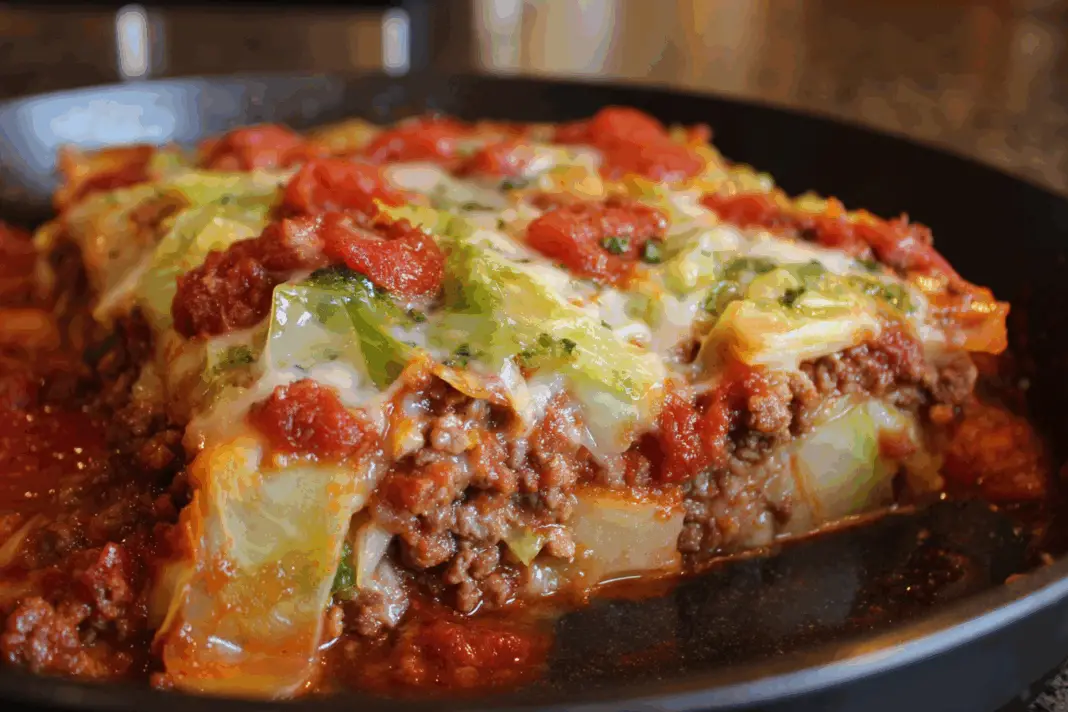
Every family has that one recipe that brings everyone to the table, and this unstuffed cabbage roll casserole might just become yours. Instead of spending hours rolling individual cabbage leaves, this deconstructed version delivers all the comfort food goodness in half the time. With tender ground beef, savory rice, and perfectly cooked cabbage all layered together, it’s the kind of meal that makes your kitchen smell like home.
Skipping the meat browning step ruins everything
The biggest mistake people make with this casserole is rushing through the meat-browning step. When ground beef hits a hot pan, it needs time to develop that rich, caramelized exterior that adds depth to the entire dish. Throwing cold meat into a lukewarm pan creates gray, steamed beef that lacks the robust taste this recipe demands. The browning process should take at least 5-7 minutes, with the meat breaking into small, evenly cooked pieces.
Properly browned meat also means better texture throughout the casserole. When beef develops that golden crust, it holds together better during the layering and baking process. This unstuffed approach relies on each component maintaining its integrity, and well-browned meat is the foundation. Don’t drain the fat too aggressively either – leave just enough to keep the meat moist and add richness to the tomato sauce base.
Using the wrong cabbage preparation method
Fresh cabbage needs special treatment to become tender without turning mushy. Many home cooks make the mistake of adding raw cabbage directly to the casserole, expecting it to cook through during baking. This approach leaves you with crunchy, bitter cabbage that overpowers the other ingredients. Instead, the cabbage should be sautéed separately until it reaches that perfect tender-crisp stage where it still has some bite but won’t be tough.
The key is chopping the cabbage into uniform pieces about half an inch thick. This ensures even cooking and prevents some pieces from becoming overcooked while others remain raw. Heat a tablespoon of olive oil in a large skillet and cook the cabbage just until it starts to soften, about 5-8 minutes. This pre-cooking step makes all the difference in achieving the perfect texture balance in your finished casserole.
Choosing the wrong rice completely changes the dish
Rice selection can make or break this casserole, yet many people grab whatever they have on hand. Long-grain white rice works best because it maintains its shape and doesn’t get mushy during the extended cooking process. Short-grain rice tends to become sticky and clumpy, while instant rice can turn to mush when exposed to all the moisture from the tomatoes and meat juices.
The rice should be cooked separately before adding it to the meat mixture. This ensures it’s properly hydrated and won’t absorb too much liquid from the other ingredients during baking. Some recipes call for raw rice, but this creates unpredictable results where some grains cook perfectly while others remain hard. Pre-cooked rice also helps the casserole hold together better when serving, giving you clean, distinct layers instead of a soggy mess.
Underseasoning creates a bland disappointment
This casserole needs bold seasoning to compete with all the mild ingredients. Salt, pepper, and garlic alone won’t cut it when you’re dealing with large quantities of cabbage, rice, and ground beef. The key is layering different types of seasoning throughout the cooking process. Start by seasoning the meat while it browns, then add herbs and spices to the tomato sauce mixture.
Traditional cabbage roll seasonings include paprika, dried dill, and fresh parsley. These herbs complement the earthy cabbage and rich tomato base perfectly. Don’t forget to taste the meat mixture before assembling the casserole – it should be slightly more seasoned than you think it needs because the cabbage and rice will dilute the intensity. A bay leaf added to the sauce during simmering adds another layer of complexity that makes the dish taste like it’s been cooking all day.
Layering incorrectly ruins the entire structure
The layering technique determines whether your casserole holds together or falls apart when served. Start with half the cabbage on the bottom of your buttered 9×13 pan, creating an even base that will support the heavier meat and rice mixture. Press the cabbage down gently to eliminate air pockets that could cause the layers to shift during baking.
The meat and rice mixture should be spread evenly over the first cabbage layer, reaching all the way to the edges of the pan. This layering method ensures every bite has the perfect ratio of ingredients. Top with the remaining cabbage, again pressing gently to create compact layers. Some recipes suggest ending with the meat mixture on top, but cabbage on top prevents the meat from drying out and creates a more attractive presentation.
Wrong baking temperature and timing
Baking temperature matters more than most people realize with this type of casserole. Too high heat causes the edges to dry out while the center remains cold, while too low heat results in a watery, unappetizing mess. The sweet spot is 350°F, which allows the ingredients to meld together without overcooking any single component. Cover the casserole with foil for the first 20 minutes to prevent the top from browning too quickly.
The total baking time should be 25-30 minutes, but the real test is whether it’s hot and bubbly throughout. Remove the foil during the last 10 minutes to allow the top to develop a slight golden color. Let the casserole rest for 5-10 minutes before serving – this allows the layers to set and makes cutting and serving much easier. Rushing this resting period results in a casserole that falls apart on the plate.
Ignoring the liquid balance creates soggy results
Too much liquid turns this casserole into soup, while too little creates a dry, crumbly mess. The tomato sauce and diced tomatoes provide most of the moisture, but the cabbage also releases water as it cooks. Many recipes call for additional water, but this is often unnecessary if you’re using quality canned tomatoes with their juices. The key is achieving the right consistency in your meat mixture before layering.
The meat and tomato mixture should be thick enough to hold its shape but not so dry that it looks crumbly. If your mixture seems too wet, let it simmer uncovered for a few extra minutes to reduce the liquid. Conversely, if it looks too thick, add water or beef broth a tablespoon at a time. This balance is crucial because once the casserole is assembled, there’s no way to adjust the moisture content.
Forgetting about make-ahead possibilities
This casserole actually improves when made ahead, but most people don’t realize the proper technique for advance preparation. The assembled casserole can be refrigerated overnight before baking, which allows the ingredients to meld together and creates even better results than baking immediately. Cover tightly with plastic wrap, then foil to prevent any odors from affecting other foods in the refrigerator.
When ready to bake a refrigerated casserole, add an extra 10-15 minutes to the cooking time since it’s starting from a cold temperature. The casserole can also be frozen for up to three months, either before or after baking. For freezing, use a disposable aluminum pan to avoid tying up your good bakeware. Thaw overnight in the refrigerator before reheating, and add a splash of water or broth if it seems dry after thawing.
Missing the perfect serving accompaniments
While this casserole is hearty enough to stand alone, the right side dishes can elevate it from good to exceptional. Crusty bread or cornbread provides the perfect vehicle for soaking up any extra sauce, while a simple green salad adds freshness to balance the rich, savory casserole. Avoid heavy sides like mashed potatoes or pasta, which compete with the rice already in the dish.
Leftover casserole reheats beautifully in the microwave or oven, making it perfect for meal prep. Some people even prefer it the next day when all the ingredients have had more time to meld together. Store leftovers in the refrigerator for up to four days, or portion into individual containers for easy weeknight dinners. The casserole also makes an excellent filling for stuffed peppers or as a topping for baked potatoes when you want to repurpose leftovers creatively.
This unstuffed cabbage roll casserole proves that comfort food doesn’t have to be complicated to be delicious. By avoiding these common mistakes and following proper techniques, anyone can create a hearty, satisfying meal that brings the family together. The best part is how forgiving this recipe is once you understand the basics – it’s almost impossible to mess up when you know what to watch for.
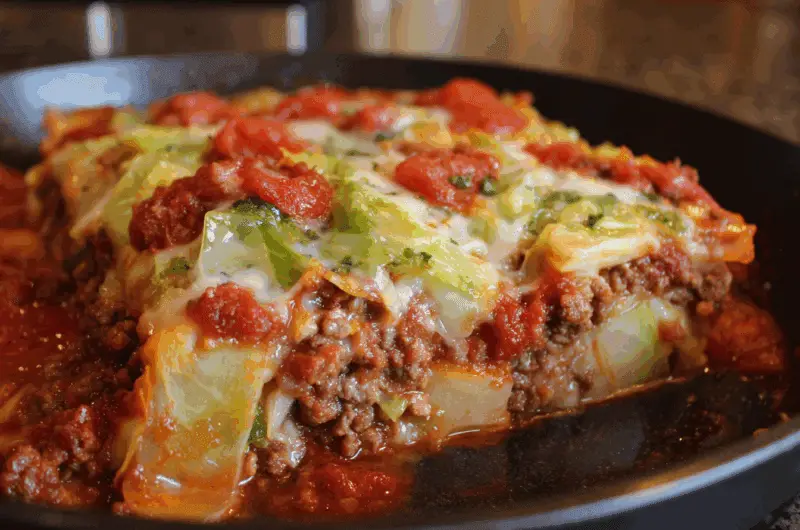
Ultimate Unstuffed Cabbage Roll Casserole
Course: Dinner8
servings20
minutes25
minutes320
kcalThis deconstructed cabbage roll casserole delivers all the comfort food goodness of traditional cabbage rolls in half the time, with perfectly layered ground beef, rice, and tender cabbage.
Ingredients
1 pound lean ground beef
8 ounces lean ground pork
1 medium onion, diced
3 cloves garlic, minced
8 ounces tomato sauce
28 ounces canned diced tomatoes with juices
2 tablespoons tomato paste
2½ cups cooked rice
1 head green cabbage, chopped
Directions
- Preheat oven to 350°F and butter a 9×13-inch baking dish. This preparation ensures even heating and prevents sticking during the baking process.
- Brown the ground beef, ground pork, diced onion, and minced garlic in a large skillet over medium-high heat for 5-7 minutes until no pink remains. Drain excess fat, leaving just enough to keep the meat moist and add richness to the dish.
- Add tomato sauce, diced tomatoes with juices, tomato paste, chopped parsley, dried dill, salt, pepper, and bay leaf to the meat mixture. Simmer covered for 10 minutes to allow the ingredients to meld together and develop rich depth.
- Remove the bay leaf and stir in the cooked rice until well combined. The mixture should be thick enough to hold its shape but not dry or crumbly.
- Heat olive oil in a large frying pan over medium heat and cook the chopped cabbage until tender-crisp, about 5-8 minutes. The cabbage should be softened but still have some bite to prevent it from becoming mushy during baking.
- Place half of the cooked cabbage in the prepared baking dish, pressing gently to create an even layer. Top with half of the beef and rice mixture, spreading it evenly to the edges of the pan.
- Repeat the layering process with the remaining cabbage and beef mixture, ending with the meat mixture on top. Press the layers gently to eliminate air pockets and create a compact casserole.
- Cover with foil and bake for 20 minutes, then remove foil and continue baking for 5-10 minutes until hot and bubbly. Let rest for 5-10 minutes before serving to allow the layers to set properly.
Notes
- This casserole can be assembled the night before and refrigerated. Just add 10-15 minutes to the baking time
- Leftovers keep in the refrigerator for up to 4 days and reheat beautifully in the microwave or oven
- For extra richness, add a can of condensed tomato soup to the meat mixture
- The casserole can be frozen for up to 3 months before or after baking
Frequently Asked Questions
Q: Can I use ground turkey instead of beef and pork?
A: Yes, ground turkey works well as a substitute, but add a beef bouillon cube to the mixture for extra richness since turkey is milder than beef and pork.
Q: How do I prevent the casserole from being too watery?
A: Make sure to pre-cook the cabbage until tender-crisp and let the meat mixture simmer until it’s thick enough to hold its shape but not dry.
Q: Can I make this casserole ahead of time?
A: Absolutely! The assembled casserole can be refrigerated overnight before baking, which actually improves the taste as ingredients meld together.
Q: What’s the best way to reheat leftovers?
A: Reheat individual portions in the microwave or cover the whole casserole with foil and warm in a 350°F oven until heated through.
