

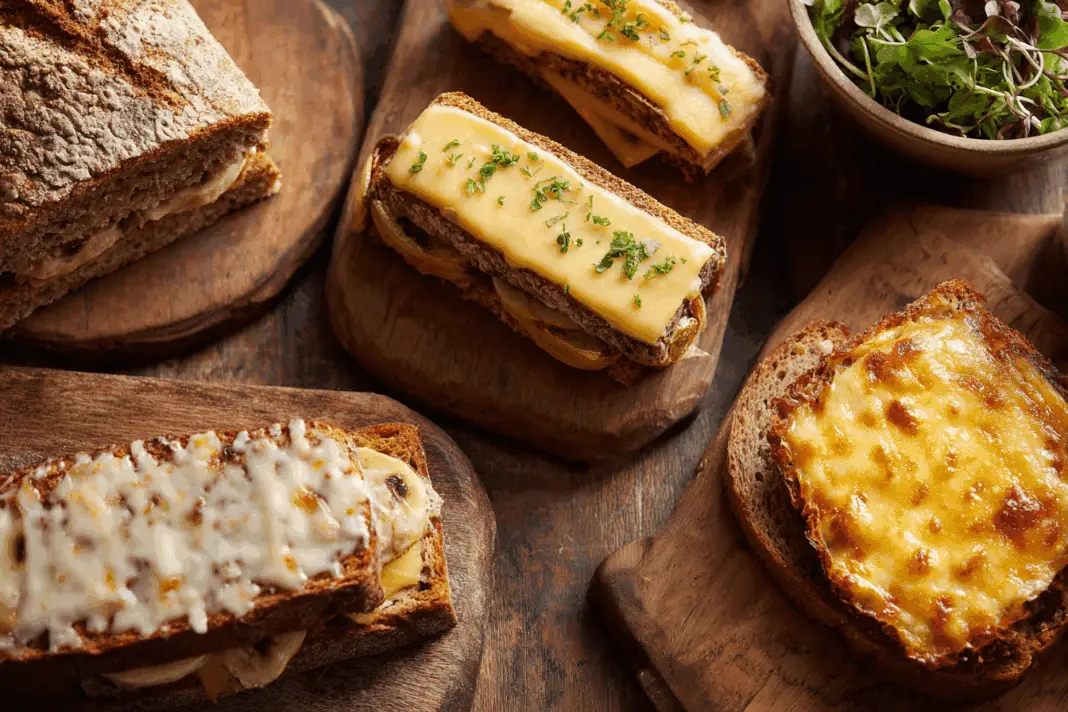
Remember when sandwiches were more than just turkey and cheese between two slices of bread? There was a time when people got creative with what went on their lunch plate, and some of those old recipes were honestly pretty amazing. The Welsh rarebit stands out as one of those forgotten classics that disappeared from restaurant menus and home kitchens alike, even though it’s packed with everything we love: melted cheese, tangy sauce, and crispy bread. This simple comfort food from the 1940s and 50s got pushed aside when meat became cheaper and more available, but it’s way too good to stay forgotten.
What makes Welsh rarebit different from regular cheese toast
At first glance, Welsh rarebit might look like fancy cheese on toast, but there’s way more going on here. The real difference is in the sauce, which combines sharp cheese with beer, Worcestershire sauce, and a kick of hot sauce or red pepper flakes. This creates something completely different from just melting cheese on bread in the microwave. The beer adds a slight bitterness that balances out the rich cheese, while the Worcestershire brings that savory depth that makes each bite interesting.
The sauce gets cooked together until it’s smooth and thick, almost like a cheese fondue consistency. When you pour this hot mixture over toasted sourdough bread, it creates layers of taste that plain cheese toast just can’t match. This sandwich was popular at lunch counters throughout the seventies, served open-faced so you could see that gorgeous cheese sauce bubbling on top. The combination might sound simple, but getting all those elements working together is what made it special enough to stay on menus for decades.
Why this sandwich disappeared from American menus
Welsh rarebit started fading away once meat became more affordable in the late 1970s and early 1980s. Before that, families chose this sandwich because cheese and bread were budget-friendly staples that filled you up without breaking the bank. When grocery stores started selling cheaper cuts of meat and deli counters became standard, people naturally gravitated toward hearty sandwiches with turkey, ham, or roast beef. It wasn’t that Welsh rarebit tasted bad, it just seemed less satisfying when you could get a meat sandwich for about the same price.
The other issue was time and effort. Making proper Welsh rarebit sauce requires standing at the stove, stirring cheese and beer together until everything melts smoothly. Fast food restaurants were taking over, and people wanted their lunch quickly without any fuss. A hamburger or cold sandwich could be assembled in seconds, while Welsh rarebit needed actual cooking. As American eating habits shifted toward speed and convenience, recipes that required even a little bit of kitchen work got left behind, no matter how delicious they were.
The British origins of this cheese sauce sandwich
Welsh rarebit comes from the United Kingdom, where it’s been a standard pub food for centuries. The name itself has some debate around it, with some people calling it Welsh rabbit instead. One story suggests the name started as a joke about Welsh people being too poor to afford real rabbit meat, so they made do with cheese instead. Whether that’s true or not, the dish became a British comfort food classic that eventually made its way across the Atlantic Ocean to American kitchens and restaurants.
British pubs served it as a quick, filling meal that paired perfectly with beer, which makes sense considering beer is actually one of the main ingredients in the sauce. When it arrived in America during the early 1900s, it fit right in with the country’s growing appreciation for affordable, satisfying meals. The recipe adapted slightly to American tastes, with some versions adding mustard powder or using different cheese varieties. But the basic concept stayed the same: a rich cheese sauce that turned simple toast into something worth ordering at a restaurant.
Choosing the right cheese for authentic results
The cheese you pick makes a huge difference in how your Welsh rarebit turns out. Sharp cheddar is the traditional choice, and for good reason. It melts smoothly while adding that tangy, bold taste that stands up to the other strong ingredients in the sauce. Mild cheddar won’t give you the same punch, and you’ll end up with something that tastes flat and boring. Some recipes call for mixing in a bit of Gruyere or Parmesan to add extra depth, but straight sharp cheddar works perfectly fine if that’s what you have on hand.
Stay away from pre-shredded cheese if you can. Those bags from the store have added starches to prevent clumping, which means your sauce might turn out grainy instead of smooth. Block cheese that you shred yourself melts much better and creates that silky texture you’re looking for. Whatever cheese you choose, make sure it’s something with real personality. This sandwich lives or dies based on the cheese, so don’t cheap out with flavorless options. The whole point is getting that rich, cheesy experience in every bite.
Beer selection matters more than you’d think
You might wonder if the beer really matters when it’s just getting mixed into cheese sauce. The answer is yes, it absolutely does. A good ale or lager brings bitterness and depth that balances out the heavy cheese and creates a more complex taste overall. Don’t grab the cheapest beer you can find, but you also don’t need anything fancy or expensive. A decent pale ale or amber works great, giving you enough character without overwhelming everything else in the recipe.
If you’re not a beer drinker or don’t want alcohol in your food, you can substitute with milk or even chicken broth. The texture will still work, though you’ll miss out on that slightly bitter edge that beer provides. Some people like using darker beers like stout for a richer, more intense result, but that’s getting into personal preference territory. The original recipes from the 1940s and 50s typically used whatever beer was on tap at the local pub, so don’t stress too much about finding the perfect brew. Just avoid anything too hoppy or sour, as those strong tastes can clash with the cheese.
Why sourdough bread works best for this recipe
Sourdough bread shows up in most traditional Welsh rarebit recipes for several good reasons. Its tangy taste complements the sharp cheese and beer sauce instead of competing with them. The bread also has a sturdy structure that holds up under all that hot, heavy cheese without turning into a soggy mess. Regular sandwich bread just falls apart when you pour hot sauce on it, leaving you with a plate of mush instead of a proper meal. Sourdough stays firm enough to cut with a fork and knife while still soaking up enough sauce to be delicious.
Toasting the bread is absolutely necessary, not optional. You want it golden brown and slightly crispy on the outside so it creates a barrier against the wet cheese sauce. This gives you different textures in each bite: crunchy bread edges, soft interior, and smooth melted cheese on top. If you can’t find sourdough or just don’t like it, a thick-cut white bread or French bread also works. The key is getting something substantial that won’t dissolve the moment hot liquid touches it. Thin, flimsy bread ruins the whole experience.
Adding vegetables or meat for a heartier version
While traditional Welsh rarebit is just cheese sauce on toast, there’s no law saying you can’t add other ingredients to make it more filling. Sliced tomatoes work really well, adding freshness and acidity that cuts through the rich cheese. Some people like putting crispy bacon on top, which gives you that salty, smoky element that pairs perfectly with beer cheese sauce. Sautéed mushrooms are another solid choice, bringing an earthy taste that makes the whole dish feel more substantial without overwhelming the main attraction.
If you want to turn this into a full dinner instead of just lunch, add a fried egg on top. The runny yolk mixes with the cheese sauce and creates this amazing combination that’s basically breakfast and lunch merged together. Caramelized onions also complement the cheese beautifully, adding sweetness that balances the sharp cheddar. Just remember that whatever you add should enhance the cheese sauce, not hide it. The point is still showcasing that beer cheese mixture, so don’t pile on so many toppings that you can’t taste what makes Welsh rarebit special in the first place.
Getting the sauce consistency exactly right
The trickiest part of making Welsh rarebit is getting your cheese sauce to the perfect thickness. Too thin and it runs right off the bread onto your plate, leaving you with a puddle instead of a topping. Too thick and it sits on top like a rubber mat that won’t spread around or soak in at all. You’re aiming for something that flows slowly off a spoon but isn’t watery. Think of it like a thick gravy or a loose fondue that you can pour but still has body to it.
The secret is controlling your heat and adding the cheese gradually. If you dump all the cheese in at once over high heat, it’ll separate and turn greasy. Low and slow is the way to go here, stirring constantly while the cheese melts into the beer mixture. If your sauce does turn out too thick, add more beer or a splash of milk to thin it out. If it’s too runny, let it simmer a bit longer to evaporate some liquid, or add a tiny bit more cheese. Getting this right takes practice, but once you nail it, you’ll understand why people loved this sandwich enough to order it regularly at restaurants.
Serving suggestions that make it a complete meal
Welsh rarebit is filling on its own, but pairing it with the right sides turns it into a proper meal that’ll keep you satisfied for hours. A simple green salad with a sharp vinaigrette balances out all that rich cheese and gives you some freshness on the plate. Pickles are another classic pairing, with their sour crunch cutting through the heavy sauce. Some people serve it with roasted tomatoes on the side, which adds both color and a slightly sweet, acidic element that complements the sharp cheese beautifully.
For a more British-style presentation, serve your Welsh rarebit alongside some chips or crisps and a pint of beer. The beer echoes what’s already in the sauce while giving you something to drink between bites. If you’re making this for dinner, roasted vegetables like asparagus or Brussels sprouts work well, adding some substance without competing with the main event. The important thing is keeping your sides simple and not too heavy. You’ve already got a rich, cheese-covered piece of toast as your main dish, so you don’t need equally heavy accompaniments fighting for attention on the plate.
Welsh rarebit deserves way more love than it gets these days. Sure, it requires a few extra minutes at the stove compared to slapping cold cuts on bread, but the result is so much more interesting than your average sandwich. That combination of sharp cheese, beer, and tangy Worcestershire creates something that feels special without being complicated or expensive. Next time you’re tired of the same old lunch options, give this forgotten classic a shot and see why it stayed on menus for so many decades.
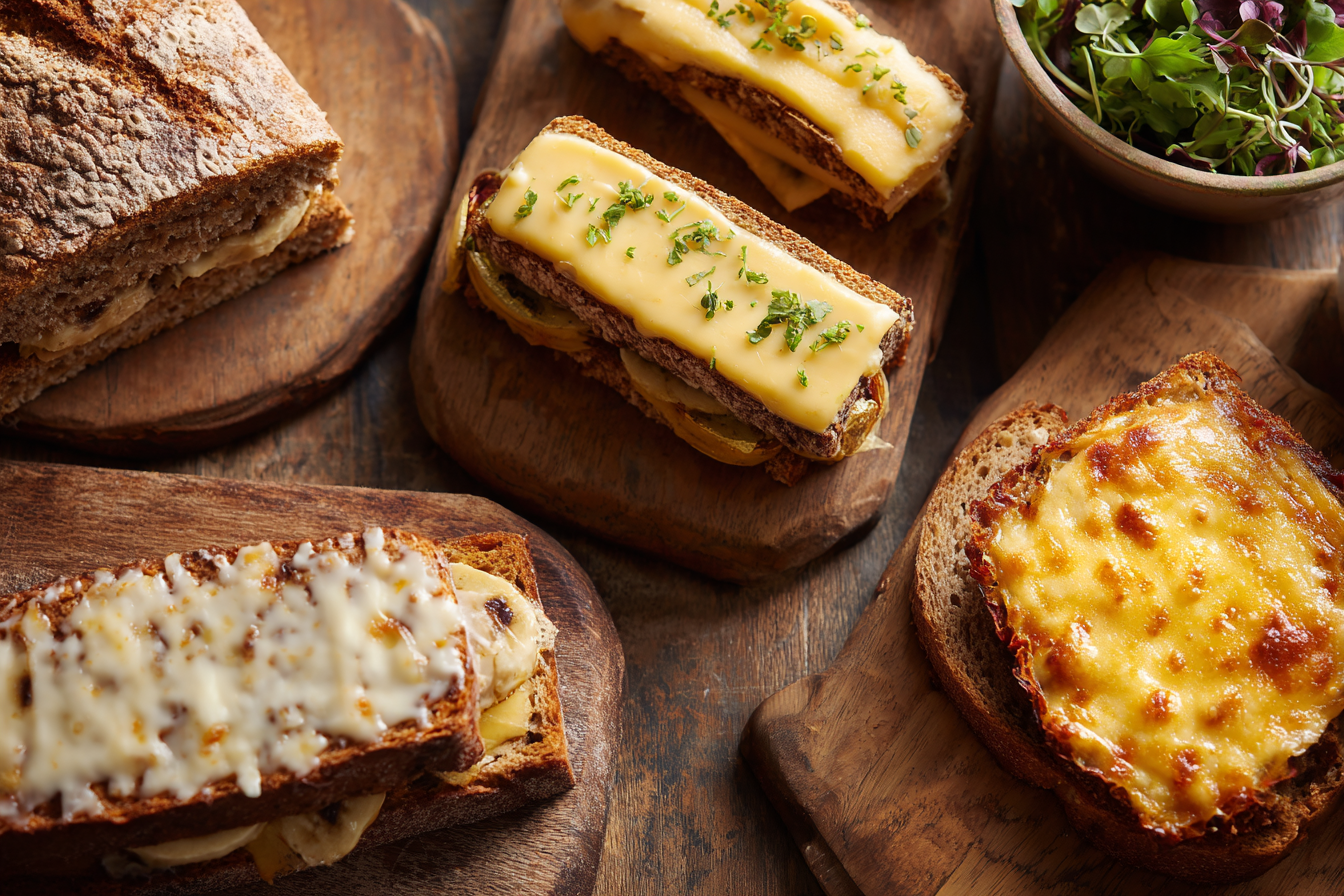
Classic Welsh Rarebit
Course: Lunch Recipes4
servings10
minutes15
minutes420
kcalThis forgotten British cheese sauce sandwich combines sharp cheddar, beer, and Worcestershire into a rich topping that turns simple toast into something extraordinary.
Ingredients
4 thick slices sourdough bread
2 tablespoons butter
2 tablespoons all-purpose flour
1/2 cup beer (pale ale or lager)
1/4 cup whole milk
2 cups sharp cheddar cheese, freshly shredded
1 tablespoon Worcestershire sauce
1 teaspoon Dijon mustard
1/4 teaspoon cayenne pepper or hot sauce
Directions
- Toast the sourdough bread slices until golden brown and crispy on the outside but still slightly soft in the center. You can use a toaster, toaster oven, or broiler for this. Set the toasted bread aside on a baking sheet while you prepare the cheese sauce.
- Melt the butter in a medium saucepan over medium-low heat. Once the butter is completely melted and starts to foam slightly, whisk in the flour to create a roux. Cook this mixture for about 2 minutes, stirring constantly, until it becomes a light golden color and loses its raw flour smell.
- Slowly pour the beer into the roux while whisking continuously to prevent lumps from forming. Add the milk and continue whisking until the mixture is smooth and starts to thicken slightly. Let it simmer gently for about 3 minutes, stirring occasionally.
- Reduce the heat to low and add the shredded cheddar cheese in small handfuls, stirring constantly and allowing each addition to melt completely before adding more. This gradual process prevents the cheese from seizing up or becoming grainy. The sauce should become thick and smooth, coating the back of your spoon.
- Stir in the Worcestershire sauce, Dijon mustard, and cayenne pepper or hot sauce. Taste the cheese sauce and adjust the seasoning if needed, adding more Worcestershire for tanginess or more cayenne for heat. The sauce should have a bold, complex taste that’s both sharp and slightly spicy.
- Place the toasted bread slices on plates or on the baking sheet. Pour the hot cheese sauce generously over each piece of toast, making sure to cover most of the surface. The sauce should be thick enough to mostly stay on top of the bread rather than running off completely.
- For extra richness and a slightly browned top, place the assembled Welsh rarebits under the broiler for 2-3 minutes until the cheese sauce starts bubbling and develops golden brown spots. Watch carefully to prevent burning. The top should be bubbly and slightly caramelized.
- Serve immediately while the cheese sauce is hot and the bread is still crispy. Welsh rarebit is best eaten right away with a knife and fork, as the sauce will continue to soak into the bread as it sits. Pair with a simple green salad or pickles to balance the richness.
Notes
- Use block cheese and shred it yourself rather than buying pre-shredded cheese, which contains anti-caking agents that can make the sauce grainy.
- If you don’t want to use beer, substitute with additional milk or chicken broth, though you’ll lose some of the depth that beer provides.
- The sauce can be made ahead and gently reheated over low heat, adding a splash of milk if it becomes too thick after cooling.
- For a heartier version, top with crispy bacon, a fried egg, or sautéed mushrooms before adding the cheese sauce.
Frequently asked questions
Q: Can I make Welsh rarebit without alcohol?
A: Yes, you can substitute the beer with whole milk, half-and-half, or even chicken broth. The sauce will still be creamy and delicious, though it won’t have the slightly bitter, complex taste that beer provides. Some people use non-alcoholic beer as a middle ground option.
Q: Why is my cheese sauce grainy instead of smooth?
A: This usually happens when the heat is too high or the cheese is added too quickly. Always use low heat and add cheese gradually, letting each handful melt completely before adding more. Using pre-shredded cheese with anti-caking agents can also cause graininess, so stick with block cheese you shred yourself.
Q: What’s the difference between Welsh rarebit and Welsh rabbit?
A: They’re the same dish with different names. Some sources say the original name was Welsh rabbit, possibly as a joke about poor Welsh people eating cheese instead of meat. Over time, people started calling it rarebit, and both names are considered correct today.
Q: Can I prepare the cheese sauce ahead of time?
A: Yes, the sauce keeps well in the refrigerator for up to three days. Reheat it gently over low heat, stirring frequently and adding a splash of milk to restore the smooth consistency. Don’t microwave it, as that can cause the cheese to separate and become oily.
