

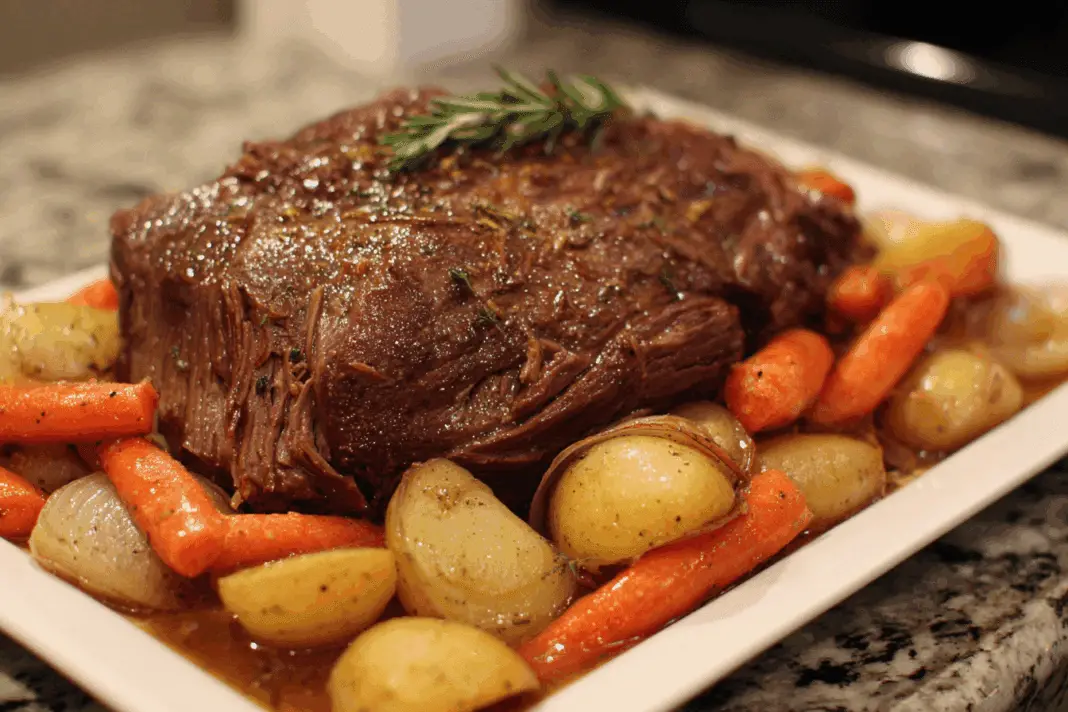
Most home cooks end up with dry, tough pot roast that needs a steak knife to cut through. Meanwhile, their grandmothers effortlessly produced melt-in-your-mouth roasts that practically fell apart with a fork. The secret isn’t expensive ingredients or fancy equipment – it’s knowing a few simple tricks that turn an ordinary Sunday dinner into something extraordinary. These time-tested methods guarantee juicy, tender results every single time.
Most people cook at dangerously high temperatures
Walk into any kitchen during Sunday dinner prep, and chances are the oven is cranked up to 350°F or higher. This common mistake creates tough, stringy meat that no amount of gravy can save. High heat causes muscle fibers to contract violently, squeezing out all the natural juices like wringing a wet towel. The result? Pot roast that tastes more like cardboard than comfort food.
Smart grandmothers knew to dial down the heat to a gentle 275°F. This lower temperature allows collagen in the meat to slowly break down into gelatin, creating that signature melt-in-your-mouth texture. The gentle heat prevents the aggressive muscle fiber contraction that ruins so many roasts. Sure, it takes longer, but the extra hour of cooking time pays off with incredibly tender results that make guests ask for the recipe.
Skipping the rest period ruins perfectly good meat
The moment that pot roast comes out of the oven, most people immediately lift the lid to check on their handiwork. This eagerness to see the results actually sabotages hours of careful cooking. Opening the pot releases all the built-up steam and stops the gentle cooking process that’s still happening inside. Even worse, slicing into hot meat causes all those carefully preserved juices to run out onto the cutting board.
Professional chefs and grandmothers alike know that patience pays off here. Let that pot sit undisturbed for at least 30 minutes with the lid firmly in place. During this crucial rest period, the meat fibers relax and reabsorb the juices that were pushed toward the center during cooking. The extended rest also allows the gelatin to set slightly, giving the meat a more succulent texture. Cover the whole pot with a towel for extra insulation if needed.
The onion mattress method prevents burnt bottoms
Placing seared meat directly on the bottom of a hot Dutch oven creates scorched spots that taste bitter and make the whole dish unpleasant. Direct contact with the metal surface also causes uneven cooking, with the bottom getting overcooked while the top stays tough. Many home cooks don’t realize this simple placement mistake is sabotaging their efforts before the roast even gets started.
The solution is brilliantly simple: create a bed of thickly sliced onions for the meat to rest on. These onions act as a natural rack, elevating the roast and allowing hot air to circulate around it. As they cook, the onions release moisture that creates steam, keeping the environment humid and the meat moist. The onion mattress eventually breaks down into a sweet, rich base for gravy. Even people who claim they hate onions love this method because the onions become mild and almost disappear into the sauce.
Too much liquid actually makes meat drier
The instinct to add lots of liquid seems logical – more liquid should mean more moisture, right? Unfortunately, this backfires spectacularly. When pot roast is swimming in liquid, it’s essentially boiling rather than braising. Boiling water reaches much higher temperatures than the gentle steam environment needed for proper braising. The turbulent bubbling action also washes away the seasoned crust that adds so much depth to the final dish.
Perfect braising happens when liquid comes only one-third to halfway up the sides of the meat. This creates the ideal environment where the bottom portion braises in liquid while the top portion cooks in flavorful steam. The measured liquid approach concentrates all those wonderful meat juices instead of diluting them. Use a combination of beef broth and red wine for the best results, avoiding plain water which adds nothing to the final outcome.
Aluminum foil creates the perfect seal
Even the heaviest Dutch oven with the best-fitting lid loses some moisture during those long cooking hours. Those tiny gaps around the lid might seem insignificant, but they allow precious steam to escape steadily throughout the cooking process. By the time the roast is done, a surprising amount of moisture has vanished into thin air, leaving the meat drier than it should be.
Smart cooks place a sheet of aluminum foil over the pot before putting on the lid, creating an extra barrier against escaping steam. This simple trick mimics the vapor seal used in professional kitchens, keeping all that flavorful moisture circulating around the meat. The foil seal also helps maintain more consistent temperatures, which is crucial for even cooking. Some cooks even crimp the foil around the edges for an extra-tight seal that locks in every bit of moisture.
Seasoning only at the end misses the mark
Sprinkling salt and pepper on meat just before cooking only seasons the surface, leaving the interior bland and disappointing. Surface seasoning gets partially washed away when liquid is added, and it never penetrates deep enough to make a real difference. The result is pot roast that tastes like it needs salt, even when plenty was used during cooking.
Professional chefs season their meat 12 to 24 hours before cooking, allowing salt time to work its magic throughout the entire roast. During this extended period, salt draws out moisture initially, then that moisture gets reabsorbed along with the seasoning, creating evenly seasoned meat from edge to center. The advance seasoning also helps break down some proteins, making the final texture more tender. Include garlic powder and dried herbs in the seasoning mix for even more depth.
The orange juice secret tenderizes naturally
Adding acid to pot roast might sound weird, but it’s actually a game-changer for tough cuts of meat. The natural acids in citrus juice help break down stubborn muscle fibers that would otherwise stay chewy no matter how long they cook. Most people stick with wine or vinegar, but orange juice offers a gentler approach that won’t overpower the beef’s natural taste.
Just a quarter cup of orange juice mixed with the braising liquid makes a noticeable difference in the final texture. The citrus notes completely cook out during the long braising process, leaving behind more tender meat without any fruity taste. This surprising ingredient works especially well with leaner cuts that tend to dry out. The natural sugars in orange juice also help create a richer, more complex gravy that guests will rave about.
Layering sliced meat in gravy works magic
Most people slice their pot roast and immediately serve it, but this approach misses a crucial step that separates good cooks from great ones. Hot, freshly sliced meat loses moisture rapidly when exposed to air, and even the juiciest roast can turn dry within minutes. Serving immediately also means missing out on the chance to infuse even more moisture back into the meat.
The secret lies in slicing the cooled meat and layering it back into the thickened, defatted cooking liquid. This method allows the sliced meat to reabsorb moisture while staying warm and ready to serve. Grandma’s technique of letting the meat rest in gravy ensures every bite stays incredibly moist and flavorful. The gravy penetrates between the meat fibers, creating an almost melt-in-your-mouth experience that’s impossible to achieve any other way.
Making it a day ahead improves everything
The idea of making pot roast ahead of time might seem like a convenience trick, but it actually produces superior results. When meat cools slowly in its cooking liquid, it continues to absorb moisture and develop deeper, more complex taste. The overnight rest also allows all the different elements to meld together, creating a more harmonious final dish than freshly cooked roast.
Cold meat slices much more neatly than hot meat, preventing the shredding that often happens when cutting a fresh roast. The cooled cooking liquid is also easier to defat, resulting in a cleaner-tasting gravy. When gently reheated, the day-ahead method produces pot roast that’s even more tender and juicy than it was originally. Professional chefs use this technique in restaurants because it guarantees consistent results and actually improves the dish’s quality.
These grandmother-approved techniques transform ordinary pot roast into something truly special. The combination of lower temperatures, proper resting, and smart seasoning creates restaurant-quality results at home. Most importantly, these methods are simple enough for any home cook to master, requiring patience rather than special skills or expensive equipment.
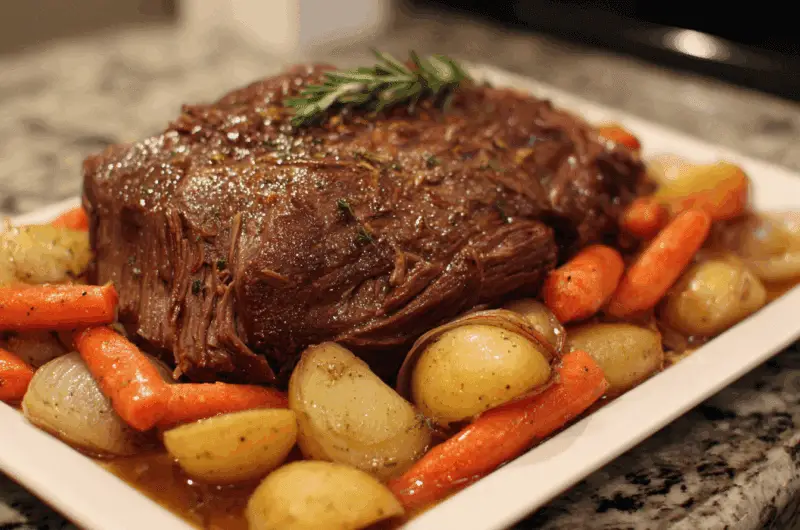
Grandma’s Perfect Pot Roast
Course: Dinner Recipes6
servings30
minutes4
minutes425
kcalThis foolproof pot roast recipe uses time-tested techniques to create incredibly tender, juicy meat that falls apart with a fork.
Ingredients
3-4 pound chuck roast, well-marbled
2 teaspoons kosher salt
1 teaspoon freshly ground black pepper
1 teaspoon garlic powder
2 tablespoons vegetable oil
3 large onions, thickly sliced
1/4 cup orange juice
1 1/2 cups low-sodium beef broth
4 large carrots, cut into 2-inch chunks
Directions
- The day before cooking, combine salt, pepper, and garlic powder in a small bowl. Pat the chuck roast completely dry with paper towels and rub the seasoning mixture all over the meat, pressing it into the surface. Wrap the seasoned roast tightly in plastic wrap and refrigerate for 12-24 hours to allow the seasonings to penetrate deep into the meat.
- Remove the roast from the refrigerator 1 hour before cooking to bring it to room temperature. Preheat your oven to 275°F. Pat the roast dry again with paper towels to ensure proper searing. Heat vegetable oil in a large Dutch oven over medium-high heat until it shimmers.
- Add the roast to the hot oil and sear undisturbed for 4-5 minutes on each side until deeply browned all over. The meat should release easily when properly browned. Transfer the seared roast to a plate and let it rest for 15 minutes while you prepare the onion bed.
- Arrange the sliced onions in an even layer on the bottom of the Dutch oven to create an onion mattress. This prevents the meat from direct contact with the hot pot bottom and creates moisture during cooking. Pour in the orange juice and beef broth – the liquid should come about halfway up the sides when the meat is added.
- Place the rested roast on top of the onion bed. Cover the Dutch oven with a sheet of aluminum foil, then place the lid on securely, pressing it down over the foil. This creates an extra seal to prevent moisture from escaping during the long cooking process.
- Transfer to the preheated oven and cook for 3 hours without opening the lid. After 3 hours, add the carrots around the roast and continue cooking for another 1-1.5 hours until the meat is fork-tender and easily pierced with almost no resistance.
- When the roast is done, remove from oven but do NOT open the lid. Let it rest undisturbed for 30 minutes minimum with the lid on. This crucial step allows the muscle fibers to relax and reabsorb juices that were pushed toward the center during cooking.
- Transfer the roast to a cutting board and slice against the grain into 1/4-inch thick slices. Strain the cooking liquid and remove fat, then thicken with cornstarch if desired. Layer the sliced meat back into the thickened gravy in a deep serving dish, allowing it to absorb additional moisture before serving.
Notes
- For even better results, make this pot roast a day ahead. Let it cool completely in the cooking liquid, refrigerate overnight, then slice and gently reheat the next day.
- The orange juice adds natural tenderizing acids without any citrus taste after the long cooking process. You can substitute with 2 tablespoons of red wine vinegar if preferred.
- A properly cooked pot roast should reach an internal temperature of 195-205°F to ensure the collagen has fully broken down into gelatin.
- If you don’t have a Dutch oven, use any heavy, oven-safe pot with a tight-fitting lid, making sure to create the foil seal for extra moisture retention.
Frequently asked questions about pot roast
Q: Why is my pot roast always tough and dry even after hours of cooking?
A: The most common cause is cooking at too high a temperature. Even if you cook for many hours, temperatures above 300°F cause muscle fibers to contract and squeeze out moisture. Cook at 275°F instead, and make sure to let the meat rest for 30 minutes after cooking to allow juices to redistribute.
Q: Can I make pot roast in a slow cooker using these same techniques?
A: Absolutely! After searing the meat and creating your onion mattress, transfer everything to a slow cooker and cook on low for 8-10 hours. Place paper towels under the lid to absorb excess moisture, and follow the same resting and slicing techniques for best results.
Q: What’s the best cut of beef for pot roast?
A: Chuck roast is ideal because it has excellent marbling and connective tissue that breaks down into gelatin during slow cooking. Look for a well-marbled piece with visible fat streaks. Bottom round and brisket also work, but chuck offers the best balance of tenderness and rich taste.
Q: How do I know when my pot roast is actually done?
A: The meat should be fork-tender, meaning a fork can easily pierce it with almost no resistance. The internal temperature should reach 195-205°F for the collagen to fully break down. If you can shred the meat easily with two forks, it’s perfectly done.
