

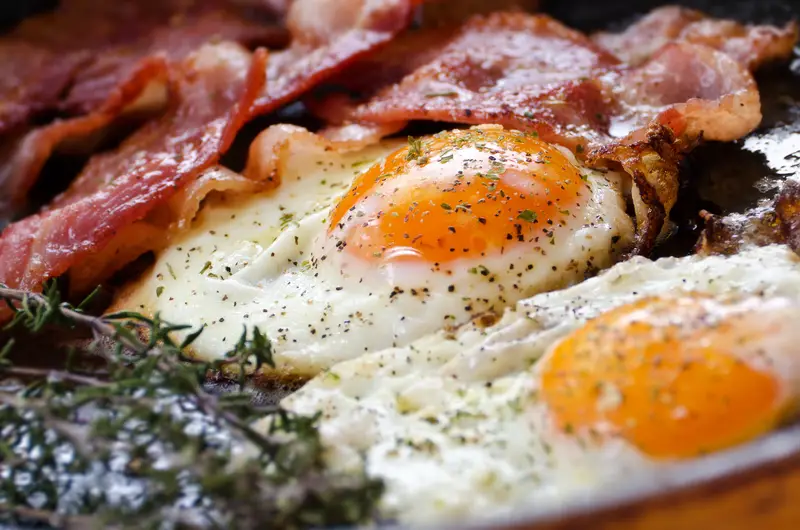
I used to think a fried egg was a fried egg. You heat a pan, throw in some butter, crack the egg, and wait. Maybe you flip it, maybe you don’t. Either way, it’s fine. It’s breakfast. It does the job.
Then I tried the brown butter method, and I felt genuinely stupid for all the years I’d wasted making mediocre eggs. The difference isn’t subtle. It’s the kind of thing where you take one bite and immediately think about every sad, pale, rubbery fried egg you’ve ever made. And you feel a little betrayed that nobody told you sooner.
Here’s the good news: this isn’t complicated. It doesn’t require special equipment or a culinary degree. It takes maybe 90 extra seconds. But those 90 seconds are the entire gap between your kitchen and a restaurant brunch plate that costs $17.
What Brown Butter Actually Is (And Why It Matters)
Brown butter is just regular butter that’s been heated past the melting point until the milk solids toast. That’s it. You’re not adding anything. You’re not doing chemistry. You’re just being patient enough to let the butter turn from yellow to golden-amber, at which point it starts smelling like hazelnuts and caramel and everything good in the world.
Chef Alex Guarnaschelli — you’ve probably seen her on Chopped or Iron Chef — swears by this. Her method is dead simple: she adds butter to the frying pan and allows it to just start browning before cracking the eggs directly into the fat. That’s the whole trick. No secret ingredient. No rare spice. Just butter, treated with a little more respect than we usually give it.
The reason this works is that browning the milk solids creates hundreds of new flavor compounds. Regular melted butter tastes like, well, butter. Brown butter tastes like butter went on vacation and came back more interesting. It adds a nutty, toasty depth to whatever it touches — and when that “whatever” is a fried egg, the result is ridiculous.
The Exact Method, Step by Step
Here’s how to do this without screwing it up, because there is one way to screw it up (we’ll get to that).
Put a tablespoon or two of butter in a nonstick or well-seasoned pan over medium-low heat. Not medium. Not medium-high. Medium-low. The key here is heating the pan slowly so you have control over the process. If you crank the heat, you’ll blast right past brown butter into burnt butter, and burnt butter tastes like regret.
Watch the butter melt. It’ll foam up — that’s the water cooking off. After the foam settles, you’ll start to see the color change. The butter will go from pale yellow to golden to a warm amber. You’ll smell it before you see it. When it smells toasty and nutty, and you can see little brown flecks on the bottom of the pan, that’s your moment. Crack the egg right in.
The egg will immediately start sizzling in that toasted fat, and the edges will get this lacy, golden-brown crispiness that you literally cannot achieve with regular melted butter. The white sets up beautifully. The bottom gets texture and color. And the whole thing tastes like something you’d pay real money for at a brunch spot.
The Basting Move That Seals the Deal
If you want to go one step further — and you should — don’t flip the egg. Baste it instead.
Once the egg is in the pan, tilt the pan slightly so the brown butter pools on one side. Use a spoon to scoop up that butter and pour it over the top of the egg white, right around the yolk. Do this a few times. The hot butter cooks the top of the white without you having to flip anything, which means you get a perfectly set white with a runny yolk underneath.
Some people add a tiny splash of water to the pan and cover it to steam the top of the egg. That works too, but you lose some of that brown butter contact. The basting method keeps everything in that toasty fat, so every surface of the egg has flavor.
The yolk stays liquid and glossy. The white is fully cooked but still tender. The edges are crispy. The whole thing tastes like brown butter. It’s absurd how good this is for something that takes four minutes.
The Biggest Mistake People Make
Heat. It’s always heat.
The line between brown butter and burnt butter is thin, and once you cross it, there’s no coming back. Burnt butter is bitter and acrid and will make your egg taste like it was cooked in an ashtray. The margin for error is probably about 30 seconds, which sounds tight, but it’s actually pretty manageable if you’re standing there watching — which you should be, because this whole process takes less time than scrolling through your phone.
The other common mistake: using too high a heat once the egg is in the pan. Keep it at medium-low. You want the egg to cook gently in that brown butter, not seize up and turn into rubber. Low and slow gives you the crispy edges and tender center that makes this technique work.
And use real butter. Not margarine, not “buttery spread,” not whatever I Can’t Believe It’s Not Butter is doing these days. You need actual butter with actual milk solids, because those milk solids are the entire point. Salted or unsalted both work, though salted gives you a little extra seasoning built in.
Other Fat Tricks That Also Work Great
Brown butter is the star here, but it’s not the only way to upgrade your fried egg fat situation.
One method that’s been making the rounds online uses heavy cream instead of butter or oil. You pour a thin layer of cream into the pan, and as it heats, it essentially turns into butter right there — but with a slightly different texture and richness. The egg cooks in this creamy, buttery pool, and the cream around the edges gets golden and almost cheese-like. It’s kind of insane.
Olive oil is another option that’s worth trying. Two tablespoons of olive oil in a hot pan, egg cracked in, with a hit of paprika, salt, and pepper — that’s a Spanish-style fried egg, and it’s a completely different experience from a butter-fried one. The edges get super crispy, almost like a frico, and the olive oil adds a peppery bite.
Bacon fat is obvious but worth mentioning. If you’re already cooking bacon, pour off most of the fat, leave a tablespoon in the pan, and fry your egg in that. Everyone knows this one, though. It’s the brown butter that seems to surprise people.
Why Restaurant Eggs Taste Better Than Yours
Here’s something that might annoy you: restaurant cooks aren’t better at frying eggs than you are. They just use more fat and less heat. That’s genuinely most of the secret.
Home cooks tend to use a thin film of butter or a quick spray of Pam, then crank the burner because they’re in a hurry. The egg hits a screaming hot, barely lubricated pan, the white seizes instantly, the bottom burns before the top sets, and the whole thing tastes like a hockey puck.
A restaurant cook uses a generous amount of fat — butter, oil, or a mix — in a properly heated pan over moderate heat. The egg essentially poaches in the fat, cooking evenly and gently. The extra fat also means more flavor and better texture on the bottom of the egg.
So if you take nothing else from this article: use more butter than you think you need, and use less heat than you think you need. That one adjustment — before you even get to the brown butter technique — will dramatically improve your eggs.
What to Put Under That Perfect Egg
A brown butter fried egg on a plate by itself is great, but it’s even better on top of something.
Toast is the classic. Get some sourdough or a thick slice of country white, toast it until it’s golden and sturdy enough to hold a runny yolk. Put the egg on top, cut into it, let the yolk run into the bread. That’s a perfect breakfast in about five minutes.
Rice is underrated. A bowl of leftover rice with a brown butter fried egg, a splash of soy sauce, and some chili crisp is one of the best meals you can make for basically no money. The runny yolk mixes into the rice and creates this rich, silky sauce. If you’ve got some leftover vegetables in the fridge, throw those in too.
Put it on a burger. Put it on a pizza that just came out of the oven. Put it on top of ramen. Put it on yesterday’s leftover pasta warmed up in a pan. A fried egg makes almost everything better, and a brown butter fried egg makes it even better than that.
Just Try It Once
I know how this sounds. “It’s just browning butter. It can’t be that different.” I thought the same thing. Then I made one and stood in my kitchen like an idiot, staring at a fried egg, genuinely impressed with myself.
This isn’t a recipe that requires 14 ingredients and an hour of prep. It’s one small tweak to something you already do. You’re adding maybe a minute and a half to the process, and the payoff is enormous. The nutty, toasty flavor from the brown butter changes the whole egg. The crispy, lacy edges give it a texture that a regular fried egg just doesn’t have.
Tomorrow morning, try it. Medium-low heat. Let the butter brown. Crack the egg in. Baste the top. Season with salt and pepper. Put it on toast. And then try to go back to your old way of frying eggs.
You won’t.
