

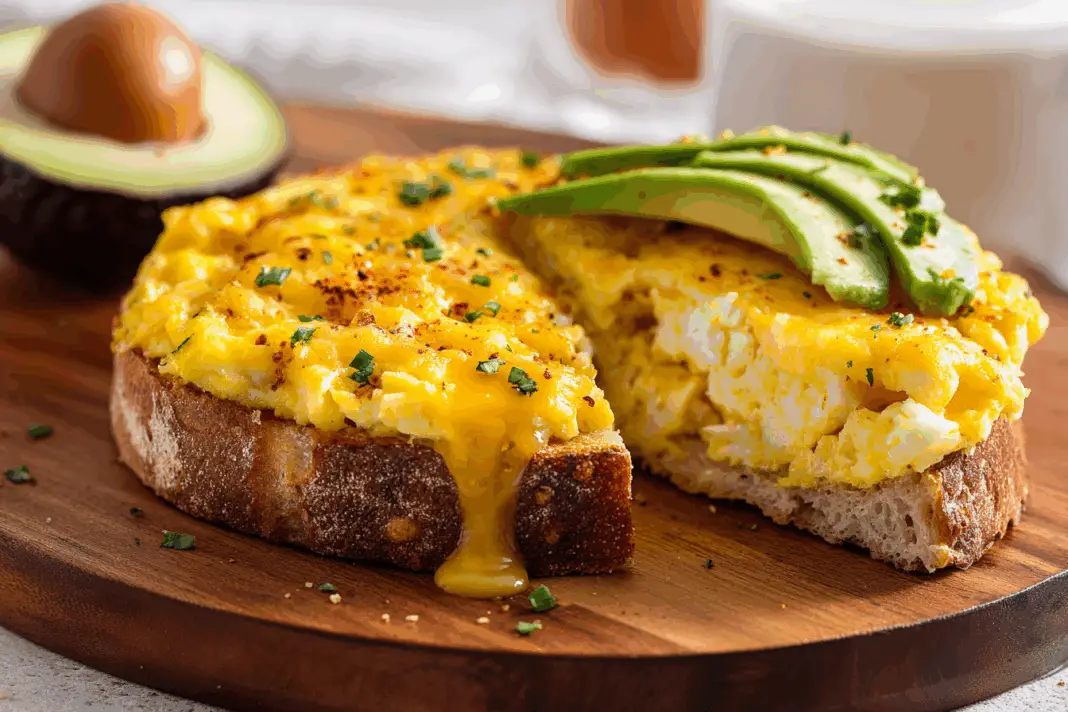
Picture this: you’re standing in your kitchen at 7 AM, knowing you need to get breakfast ready but dreading the pile of dishes that usually comes with it. Most breakfast recipes leave you with a frying pan for eggs, another pan for toast, plus mixing bowls and spatulas scattered everywhere. But what if there was a way to make a complete, satisfying breakfast sandwich using just one pan and have it ready in under 10 minutes?
Your eggs actually cook into the bread
The magic of this breakfast hack lies in how the eggs and bread work together. Instead of cooking them separately, you pour beaten eggs directly into your pan, then place the bread slices right into the raw eggs. As everything cooks, the bread soaks up the eggs like a sponge, creating this amazing texture that’s part French toast, part breakfast sandwich.
The result is bread that’s crispy on the outside but has this creamy, custardy inside from the absorbed eggs. It’s nothing like regular toast with eggs on top. This technique eliminates the need for butter on your bread since the eggs provide all the richness you need. Plus, you get protein baked right into every bite instead of having it slide around as a separate component.
The flip is easier than you think
Most people worry about flipping this whole contraption without making a mess, but it’s actually simpler than flipping regular eggs. The key is waiting until the eggs are completely set on the bottom before attempting the flip. You’ll know they’re ready when the edges start pulling away from the pan slightly and the surface looks mostly cooked through.
Use a large spatula and flip everything in one confident motion. Don’t hesitate or try to do it slowly – that’s when things fall apart. The bread actually helps hold everything together during the flip, making it more stable than you’d expect. Once flipped, the bread acts as the base while you add your toppings to the exposed egg surface.
Any bread works but some are better
While you can use any bread you have on hand, thicker slices work better because they can absorb more egg without falling apart. Regular sandwich bread is fine, but sourdough, brioche, or even day-old bread that’s slightly stale actually performs better. Stale bread soaks up the eggs more efficiently and holds its shape during cooking.
Avoid very thin bread or anything with lots of holes like some artisan loaves – the eggs will leak through and you’ll lose that perfect absorption. Some people trim the crusts off their bread to make perfect squares, but that’s totally optional. The crust actually helps contain the eggs, so leaving it on can make the whole process more foolproof.
Timing the cheese melt is crucial
The difference between perfectly melted cheese and rubbery, overcooked cheese comes down to timing. Add your cheese immediately after flipping, while the residual heat is still strong. The cheese needs just enough time to melt but not so much that it starts to separate or become tough.
Sharp cheddar works great because it melts smoothly and adds good flavor, but Swiss, mozzarella, or even pepper jack are excellent alternatives. Avoid pre-shredded cheese if possible – it contains anti-caking agents that can prevent smooth melting. Block cheese that you grate or slice yourself melts much better and gives you that perfect gooey texture.
The water trick makes eggs fluffier
Adding just a teaspoon of water to your beaten eggs might seem unnecessary, but it makes a noticeable difference in texture. The water creates steam as the eggs cook, making them lighter and fluffier instead of dense and rubbery. This is especially important when the eggs are absorbing into bread – you want them to stay tender.
Don’t add milk or cream thinking it’ll be better – water actually works more effectively for this technique. Professional chefs often use this water trick because it doesn’t add extra fat that might interfere with the cooking process. Just whisk everything together thoroughly so the water incorporates completely before pouring into your pan.
Folding technique keeps everything contained
Once you’ve added your fillings, you need to fold this creation into an actual sandwich. First, fold the overhanging egg edges toward the center, like you’re wrapping a present. This creates neat borders and prevents fillings from escaping. Then comes the final fold where you bring one half over the other to create the sandwich shape.
The egg acts like a wrapper, holding everything together much better than regular bread would. Press gently after folding to help everything stick together, then cook for another minute or two on each side. This final cooking step crisps up the outside and ensures the cheese is completely melted while warming the avocado slightly.
Cast iron versus nonstick matters
Your pan choice can make or break this recipe. Nonstick pans are the most forgiving – everything releases easily and flipping becomes almost effortless. Cast iron works beautifully too, but only if it’s well-seasoned. A poorly seasoned cast iron pan will grab onto the eggs and turn your breakfast into a scrambled mess.
Regular stainless steel pans are the trickiest option. They tend to stick unless you use plenty of fat and get the temperature just right. Whatever pan you choose, make sure it’s about 9 inches in diameter – too small and you’ll have trouble fitting both bread slices, too large and the eggs will spread too thin to properly soak into the bread.
Temperature control prevents disasters
Medium heat is your friend here – high heat will cook the bottom of the eggs too quickly before the bread has time to absorb them properly. You want a gentle sizzle when the eggs hit the pan, not an aggressive bubbling. If you hear violent sizzling, turn the heat down immediately.
Low heat takes too long and can make the bread soggy instead of giving it that nice texture contrast. Professional breakfast cooking is all about finding that sweet spot where things cook evenly without burning. If your stove runs hot, start with medium-low and adjust as needed.
Cleanup really is minimal
The best part about this method is that you truly only dirty one pan, one bowl for beating eggs, and one fork or whisk. No separate plate for toast, no additional pan for eggs, no extra spatula for flipping multiple components. Even the cutting board usage is minimal since you’re just slicing avocado and cheese.
If you use a nonstick pan, cleanup is literally just a quick rinse with warm soapy water. The eggs don’t stick and there’s no burnt-on residue to scrub. For busy mornings when you’re already running behind, this kind of minimal cleanup can be the difference between having a real breakfast and grabbing a granola bar on your way out the door.
This technique transforms breakfast from a multi-step juggling act into a simple, streamlined process that delivers better results than traditional methods. The combination of crispy-creamy texture, melted cheese, and fresh avocado creates a restaurant-quality breakfast sandwich that’s ready faster than you could toast bread and fry eggs separately. Next time you’re facing a hectic morning, remember that sometimes the best solutions are the ones that seem almost too simple to work.
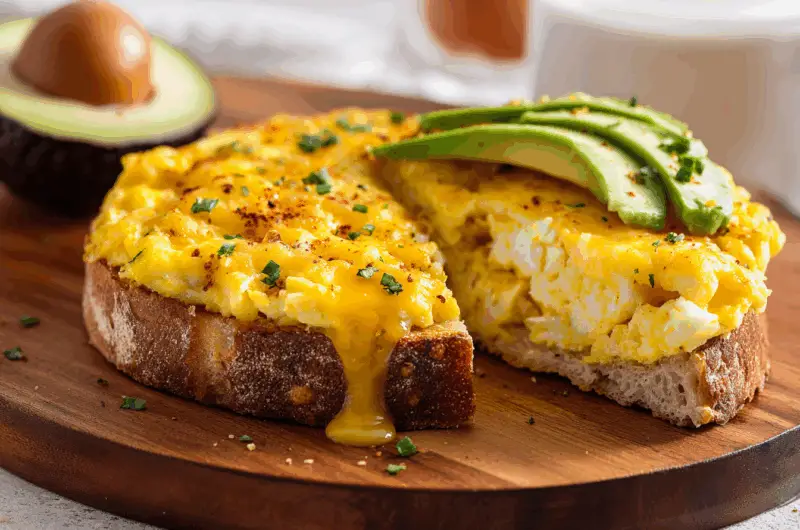
One Pan Breakfast Sandwich
Course: Breakfast1
servings2
minutes5
minutes560
kcalThis incredible breakfast hack cooks eggs directly into bread for a custardy, satisfying sandwich that’s ready in under 10 minutes.
Ingredients
2 large eggs
1 teaspoon water
Pinch of kosher salt
Butter or oil for greasing the pan
2 slices sandwich bread
1/2 avocado, sliced
2 slices cheddar cheese
Directions
- In a bowl, whisk together the eggs, water, and salt until well combined. Make sure the water is fully incorporated for the fluffiest results. Set aside while you prepare your pan.
- Heat a 9-inch nonstick or well-seasoned cast iron pan over medium heat. Grease generously with butter or oil to prevent sticking. The pan should be hot enough that the eggs sizzle gently when added.
- Pour the whisked eggs into the pan, tilting it slightly to evenly coat the bottom. Immediately place both slices of bread into the eggs, pressing gently to help them soak up the liquid. Let them sit as the eggs cook and set completely.
- Once the eggs are fully set and no longer runny, carefully flip everything over in one confident motion so the bread is now on the bottom. The eggs should release easily if properly cooked. Don’t rush this step.
- Working quickly, layer the sliced avocado and cheddar cheese on top of the exposed egg surface. The residual heat will start melting the cheese immediately. Arrange the avocado evenly for the best distribution.
- Fold the edges of the egg inward toward the center, creating neat borders around the fillings. This step is important for containing everything when you make the final fold.
- Fold the sandwich in half, bringing one side over to meet the other. Press gently to help everything stick together. The egg will act like a wrapper holding all the fillings in place.
- Cook for another 1-2 minutes per side until golden brown and the cheese is completely melted. The outside should be crispy while the inside remains creamy. Serve immediately while hot.
Notes
- Use a nonstick or well-seasoned cast iron pan to prevent sticking and ensure even cooking
- Don’t rush the flip – let the eggs fully cook and set before attempting to turn everything over
- For extra crispy bread, cook the folded sandwich a bit longer on each side after assembly
Frequently asked questions
Q: Can I make this breakfast sandwich dairy-free?
A: Absolutely! Just use oil instead of butter for greasing the pan and either skip the cheese entirely or substitute with your favorite dairy-free cheese alternative. The sandwich is still delicious and satisfying without any dairy products.
Q: What if my eggs stick to the pan during flipping?
A: This usually happens when the eggs aren’t fully set or the pan wasn’t greased enough. Make sure the eggs are completely cooked through before flipping and use plenty of butter or oil. A good nonstick pan makes this much easier for beginners.
Q: Can I add meat like bacon or ham to this sandwich?
A: Yes! Pre-cook any meat first, then add it along with the cheese and avocado after flipping. Cooked bacon, ham, or turkey work great, but make sure they’re already heated through since they’ll only get a brief warming in the sandwich.
Q: How do I store leftovers of this breakfast sandwich?
A: This sandwich is really best eaten fresh and hot. The texture changes significantly when reheated, and the bread can become soggy. It’s so quick to make that it’s better to just prepare fresh sandwiches as needed rather than trying to store them.
