

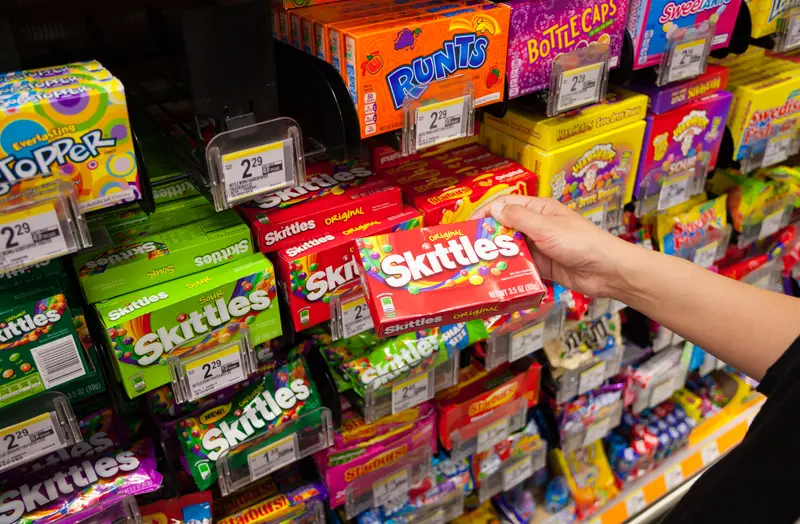
Walking through the grocery store, most people grab their favorite snacks without thinking twice about what’s actually inside them. But right now, several states are passing laws to ban some of America’s most popular treats because they contain ingredients linked to cancer and other serious health problems. From colorful cereals to beloved chips, these everyday snacks might soon disappear from shelves unless companies completely change their recipes.
Lucky Charms and Froot Loops contain banned chemicals
Many breakfast cereals that kids love contain artificial colors that are already banned in Europe. Lucky Charms, Froot Loops, and Trix all use Yellow 6, which has been linked to adrenal tumors in laboratory studies. These bright, rainbow-colored cereals get their eye-catching appearance from synthetic dyes that may cause serious health problems over time. What makes this even more concerning is that these same cereals are sold in Europe with natural coloring instead.
The reason these cereals look so vibrant is because food companies use artificial dyes to make them more appealing to children. Yellow 6 is just one of several synthetic colors that states are targeting for removal. Parents often don’t realize that something as simple as morning cereal could contain ingredients that other countries have deemed too risky for their citizens to consume regularly.
Doritos and Cheetos face ingredient overhauls
Popular chip brands like Doritos, Cheetos, and Ruffles contain multiple artificial dyes that are now being targeted by state lawmakers. These snacks use Yellow 5 and Yellow 6, which can reportedly cause DNA mutations in white blood cells according to scientific studies. The orange dust on Flamin’ Hot Cheetos and the bright colors on Doritos come from these synthetic additives that give the snacks their distinctive appearance but may pose health risks.
What’s particularly troubling is that these same snack foods are manufactured differently in other countries where stricter regulations exist. Companies have already proven they can make these products without harmful additives, but they continue using cheaper synthetic alternatives in the United States. The bans aren’t designed to eliminate these snacks entirely but to force manufacturers to switch to safer ingredients that they already use elsewhere.
Skittles and M&Ms contain cancer-linked ingredients
Some of America’s favorite candies are under scrutiny because they contain Red 40, an artificial dye that must carry warning labels in Europe. Skittles, M&Ms, and Sour Patch Kids all use this synthetic coloring agent, which contains benzene – a chemical linked to blood cancers. The irony is that these same candy brands taste exactly the same in European markets where they’re made with natural colorings instead of synthetic dyes.
The situation became so serious that California passed what’s being called the Skittles Ban specifically targeting these problematic ingredients. This law will go into effect in 2027 and includes restrictions on Red 3, brominated vegetable oil, potassium bromate, and propylparaben. Other candy favorites like Nerds and Swedish Fish also contain these synthetic additives that states are rushing to eliminate from store shelves.
Gatorade and sports drinks use risky additives
Sports drinks that athletes and regular people consume daily contain food dyes that have been linked to cancer and hyperactivity in children. Gatorade and Pedialyte use artificial colors to create their signature bright blue, orange, and red varieties. These synthetic dyes serve no nutritional purpose and exist solely to make the drinks more visually appealing to consumers, yet they carry potential health risks that many people don’t know about.
The FDA has already proposed a federal ban on brominated vegetable oil, which was once used in Mountain Dew and other citrus-flavored beverages. This ingredient can cause damage to the nervous system and has toxic effects on the thyroid gland. Sports drinks face similar scrutiny as states push to eliminate artificial colorings that provide no benefit but may cause serious health problems over time.
Oreos contain lung cancer-linked titanium dioxide
America’s favorite cookie contains titanium dioxide, an ingredient that’s been linked to lung cancer in scientific studies. This white powder is used to make foods look brighter and more appealing, but it serves no nutritional purpose whatsoever. Oreos aren’t the only products affected – many cupcakes, frostings, and baked goods contain this potentially dangerous additive that’s already banned in European food products.
Titanium dioxide is also found in cake mixes and icings from major brands like Duncan Hines and Pillsbury. New York lawmakers have introduced bills that would ban this ingredient along with several others that are already prohibited in other countries. The white, pristine appearance of many processed foods comes from this synthetic additive that may pose serious health risks to regular consumers.
Tostitos queso contains cancer-accelerating Yellow 5
Popular cheese dips and sauces contain Yellow 5, an artificial dye that studies suggest can make cancer cells grow faster when people are exposed to it. Tostitos queso and various Doritos dips get their signature yellow-orange color from this synthetic additive rather than from actual cheese or natural ingredients. Many people assume these products are colored by real cheese, but they’re actually getting their appearance from potentially harmful artificial dyes.
The concerning part is that these same dips and sauces could easily be made with natural coloring agents like annatto or turmeric, which provide similar colors without the health risks. Yellow 5 is found in countless processed foods, but cheese products are particularly troubling because consumers often eat large quantities during social gatherings and sporting events. The bright, artificial appearance that makes these products look appetizing may actually be putting people’s health at risk.
Companies will reformulate rather than lose market access
The goal of these bans isn’t to eliminate beloved snack foods but to pressure companies into changing their recipes to safer alternatives. Food manufacturers already produce versions of these same products without harmful additives in European markets, proving that reformulation is entirely possible. Companies like Mars, PepsiCo, and General Mills have the technology and resources to switch to natural colorings and safer preservatives.
Consumer Reports director Brian Ronholm explained that these ingredients don’t belong in food because of the increased risks they present. Companies will likely reformulate their products rather than lose access to major state markets like California and New York. The economic pressure from losing millions of customers will ultimately drive manufacturers to adopt safer ingredients that they already use in other countries around the world.
The movement to ban cancer-linked food additives is gaining momentum across America, with multiple states taking action to protect their residents from potentially harmful ingredients. While some states are resisting these changes, the economic pressure from major markets like California and New York will likely force food companies to reformulate their products nationwide. The next time someone reaches for their favorite snack, they might find it looks a little different but tastes just as good – and much safer.
