

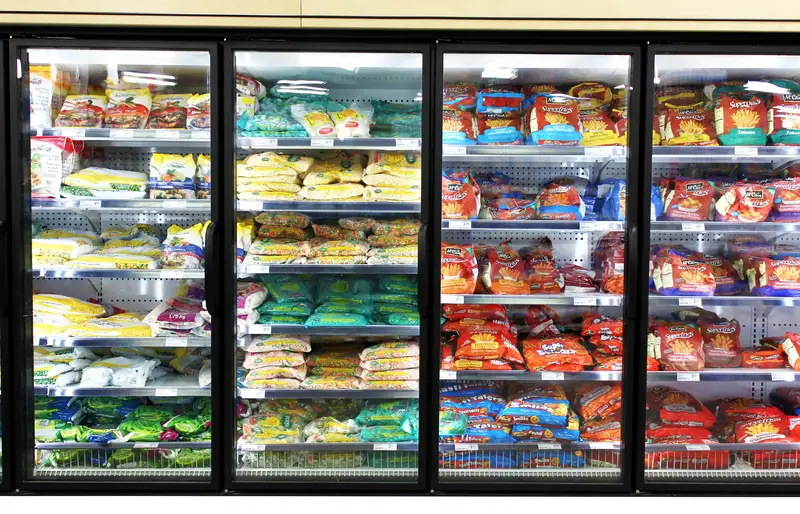
Walking down the frozen food aisle can feel overwhelming with all those colorful bags promising fresh taste and convenience. Most people assume all frozen vegetables are created equal, but some brands consistently deliver disappointing results that’ll make you question why you didn’t just buy fresh. After countless taste tests and kitchen disasters, certain frozen vegetable brands stand out as absolute failures that waste your money and ruin perfectly good recipes.
TJ Farms produces strange-looking vegetables nobody wants
Opening a bag of TJ Farms green beans reveals something that looks more like a science experiment than food. The vegetables have an unnatural chartreuse color that immediately signals something went wrong during processing. The strange appearance becomes even more concerning when you take that first bite and discover an odd, tannic taste that has nothing in common with actual vegetables.
The texture problems make these vegetables practically inedible, turning to mush within seconds of cooking regardless of your method. Even following the package directions exactly results in unevenly cooked vegetables where some pieces remain rock-hard while others completely fall apart. These disappointing vegetables somehow manage to lose all their natural qualities between the farm and freezer, making them a complete waste of freezer space and grocery money.
Great Value creates consistency problems and safety concerns
Walmart’s Great Value frozen vegetables might seem like a budget-friendly solution, but the rock-bottom prices come with serious quality compromises. Their corn tastes waterlogged and bland, while their broccoli consists mostly of thick stems with tiny, sad-looking florets scattered throughout. The mixed vegetables cook at completely different rates, leaving you with some pieces that are still raw while others turn to mush.
Beyond taste issues, Great Value frozen vegetables carry potential allergen warnings that should concern anyone with dietary restrictions. The packaging warns about possible gluten contamination, which seems unnecessary for plain vegetables but suggests poor processing controls. The dull, washed-out colors of these vegetables also hint at quality problems that extend beyond just appearance into actual taste and safety concerns that make them hard to recommend even at bargain prices.
Simply Nature and 365 disappoint despite premium pricing
Aldi’s Simply Nature organic vegetables should theoretically offer better quality, but they consistently fail to live up to expectations. Their broccoli and cauliflower become waterlogged and lose all structure during cooking, creating mushy results that don’t work in any recipe. The limited selection also means fewer options compared to other brands, making it difficult to find specialty items or less common vegetables.
Whole Foods’ 365 brand falls into the same trap of charging premium prices without delivering premium quality. Their peas taste starchy instead of sweet, and green beans frequently show signs of freezer burn even in sealed packages. The texture problems become especially noticeable in stir-fries where the vegetables release excessive water and turn mushy. When paying higher prices for organic options, these quality failures become even more frustrating and harder to justify.
Green Giant coasts on reputation without delivering quality
Despite being one of the most recognizable names in frozen vegetables, Green Giant often disappoints in actual taste tests. Their corn products, once considered reliable, now frequently taste mealy and lack the sweet crunch of properly frozen corn. The riced cauliflower products turn out bland and watery when cooked according to package directions, creating disappointing results for anyone following low-carb diets.
The vegetable medleys reveal another problem with Green Giant’s approach – they pack bags with cheap vegetables like carrots while skimping on expensive ones like broccoli. Their seasoned varieties rely heavily on salt rather than actual herbs and spices for taste. Many people continue buying Green Giant products out of habit or brand recognition, but the actual eating experience rarely justifies the middle-range pricing when better options exist at similar or lower costs.
Cauliflower loses everything good when frozen
Cauliflower depends entirely on its crisp texture since it doesn’t bring much natural taste to dishes. Freezing completely destroys this crucial quality, turning normally firm florets into rubbery, mushy pieces that fall apart during cooking. The texture becomes so compromised that frozen cauliflower seems overcooked no matter how carefully you prepare it.
Most people use cauliflower as a low-carb substitute for rice or potatoes, but the frozen version can’t hold up to these applications. The waterlogged texture makes frozen cauliflower unsuitable for roasting, which is often the best way to prepare fresh cauliflower. Since texture matters more than anything else with cauliflower, buying it frozen essentially defeats the entire purpose of using this vegetable in your cooking.
Bell peppers turn into sad, limp disappointments
Fresh bell peppers bring bright crunch and sweet taste to dishes, but frozen versions lose both qualities completely. The freezing process breaks down the cell walls, creating peppers that become waterlogged and mushy when cooked. The skin becomes tough and unpleasant to eat while the flesh turns slack and unappetizing.
Frozen bell pepper strips usually come in mixed color bags, preventing you from choosing only the sweetest varieties or colors that work best in your recipes. The peppers release excessive water during cooking, which can ruin stir-fries and other dishes that depend on maintaining proper moisture levels. Since fresh bell peppers stay good for weeks in the refrigerator and don’t require much prep work, there’s really no compelling reason to buy the frozen versions that consistently disappoint.
Broccoli becomes a waterlogged mess when frozen
Broccoli florets act like tiny sponges that trap water and ice during the freezing process. When you cook frozen broccoli, all that trapped moisture creates soggy, mushy results that take much longer to cook properly. By the time the excess water evaporates, the broccoli has already turned to mush and lost any appealing texture.
The inconsistent sizing in frozen broccoli packages makes cooking even more challenging since stems and florets cook at different rates. You end up with some pieces that remain tough and woody while others completely fall apart. Fresh broccoli cooks quickly and maintains its structure, making it far superior for most recipes. The texture problems with frozen broccoli are so consistent that it’s worth planning ahead to buy fresh rather than settling for disappointing frozen versions.
Spinach should always stay fresh for best results
Fresh spinach brings mild, refreshing taste and satisfying crunch that makes it perfect for salads, wraps, and sandwiches. While frozen spinach might seem convenient for cooked dishes, it lacks the bright, clean taste that makes fresh spinach so appealing. The texture completely disappears during freezing, leaving you with mushy greens that can only work in heavily sauced dishes.
Fresh spinach works in both raw and cooked applications, giving you much more versatility in the kitchen. Adding fresh spinach to pasta dishes provides brightness and color that frozen versions can’t match. The convenience factor isn’t compelling enough to justify the taste and texture compromises, especially since fresh spinach stays good for several days when properly stored. For anyone who enjoys the natural mild taste and crisp texture, fresh spinach remains the only acceptable option.
Mixed vegetables create timing disasters in every recipe
Frozen vegetable medleys seem like an easy way to add variety to meals, but they create cooking problems that ruin dishes. Different vegetables require different cooking times, so you’ll always end up with some pieces that are overcooked while others remain undercooked. Broccoli turns to mush while carrots stay hard, creating an unpleasant mix of textures in every bite.
The vegetable ratios in these mixed bags often favor cheaper ingredients like carrots over more expensive ones like broccoli or bell peppers. This means you’re not getting good value even though the convenience seems appealing. The only exception might be simple peas and carrots combinations since both vegetables are small and cook quickly. For most other mixed vegetables, you’re better off buying individual frozen vegetables and combining them yourself to control cooking times and ratios.
Smart shoppers can avoid these disappointing frozen vegetables by sticking to varieties that actually freeze well, like peas, corn, and green beans from reputable brands. Fresh vegetables often cost less per serving and always deliver better taste and texture than these problematic frozen options that consistently underwhelm.
