

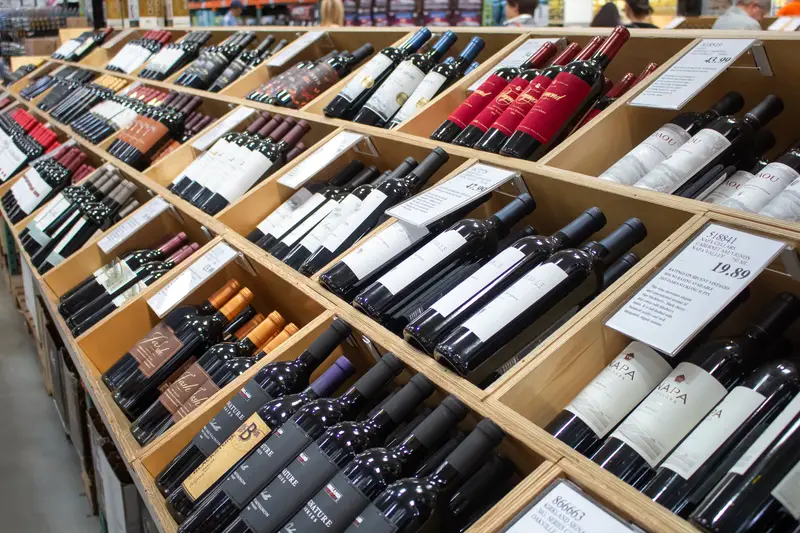
Your grocery bill might be about to get a lot more expensive, especially if you enjoy certain drinks. New tariffs on imported goods are set to change what you pay at the store, and some of your favorite beverages are right in the crosshairs. We’re talking about drinks that millions of Americans buy every week, from fancy wines to simple apple juice. The price increases could be dramatic enough that you’ll notice them immediately the next time you’re shopping. These aren’t small bumps either—some drinks might double or even triple in cost, which means your budget is going to feel the squeeze.
French champagne and wine prices are about to explode
That bottle of champagne you save for special occasions might become a luxury item you can’t afford. President Trump has threatened a 200% tariff on wine and spirits from the European Union, which means your favorite French wines could cost two or three times what they do now. Real champagne can only come from the Champagne region of France, so there’s no way to get around this by buying something similar. The same goes for famous French wines like Bordeaux, which have been made in southwestern France for over 2,000 years.
The French wine industry is massive, and the United States buys nearly 20% of all French wine exports. These wines carry special labels like Appellation d’origine protégée (AOP) or Appellation d’origine contrôlée (AOC), which guarantee they were grown in specific places in France with strict rules about how they’re made. You can’t fake these wines or make them anywhere else legally. If you’re someone who enjoys a nice bottle of French wine with dinner or likes to celebrate with champagne, your wallet is going to hurt. Even bottles that cost $53 now could jump to $159 or more.
Italian prosecco and Chianti are getting hit too
If you thought switching from champagne to prosecco would save you money, think again. Prosecco comes from specific regions in northeastern Italy, and just like champagne, it can’t be made anywhere else and still carry that name. The Italian government has strict quality control regulations, and since 2009, Prosecco has held the highest classification status for Italian wines called DOCG. This means every step from growing the grapes to putting the bubbles in the bottle has to happen right there at the vineyard in Italy. Even the cheap prosecco you grab at Aldi or your regular grocery store is still an import from Italy.
The same tariffs will affect other famous Italian wines like Chianti, a red wine from Tuscany in central Italy. All of these have to be made and bottled in specific Italian regions to carry their names legally. Your favorite Aperol Spritz is also in trouble—94% of the ingredients in that orange cocktail come from overseas. The only thing in it that’s made in the United States is the soda water. Bars might have to charge so much for these drinks that they just take them off the menu completely.
Apple juice is getting more expensive thanks to China’s tariffs
Apple juice might seem like a simple American drink, but a huge amount of it actually comes from China. The United States is the world’s top importer of apple juice, and China is one of the biggest exporters. President Trump has already put a 20% tariff on all Chinese imports, which is on top of the 25% tariff he imposed during his first term. That means apple juice prices are likely going up soon. This affects more than just plain apple juice, too—lots of fruit juice blends and drinks use apple juice as an ingredient even when you can’t taste it.
The demand for apple juice in America is so high that we’ve been importing it from China for years. Way back in 2011, imports of Chinese apple juice concentrate made up two-thirds of all the apple juice Americans drank. Juice concentrate is what you get when you remove the water from fresh juice, which makes it last longer and easier to ship across the ocean. It gets added to all sorts of shelf-stable juice products you see at the store. If you have kids who drink apple juice boxes or if you enjoy a glass yourself, you’re going to notice the price going up at checkout.
Tea prices are climbing from multiple directions
Americans love their tea, especially in the South, where sweet tea is practically a staple. But tea is another drink that’s going to cost more because of tariffs on China. China is the fourth largest tea exporter to the United States, sending us both black tea and green tea in almost equal amounts. The 20% tariff on Chinese goods means all of that tea is going to get more expensive. Whether you’re buying tea bags for hot tea or grabbing a bottle of sweet tea from the convenience store, the price is going up.
The problem gets even worse when you look at where else America gets its tea. Japan, India, and Argentina are the top three tea exporters to the United States, and all of them are facing tariffs or tariff threats on other products, too. If the trade situation gets worse, those tariffs could expand to include their tea exports as well. That would mean pretty much all the tea Americans drink would be more expensive, no matter where it comes from. Tea drinkers are stuck between a rock and a hard place with no good alternatives.
Your favorite cocktails might disappear from bar menus
Going out for drinks is about to become either much more expensive or much more limited. The tariffs on European spirits mean that big-name brands like Moët Chandon, Hennessy, Rémy Martin, Cointreau, Grand Marnier, Limoncello, Campari, Aperol, Jägermeister, and Jameson are all going to cost a lot more. These aren’t small boutique brands—these are the spirits that bars use to make the most popular cocktails. When a bottle that costs a bar $50 suddenly costs $150, they either have to triple the price of your drink or stop serving it altogether.
Think about your favorite cocktails and where their ingredients come from. A Negroni uses Campari and vermouth, both from Europe. Those bottomless mimosas at brunch are made with sparkling wine that’s mostly imported from the European Union. Even a Long Island Iced Tea has imported ingredients that make up about a quarter of the drink. Bars are already struggling with high costs, and many might just eliminate cocktails from their menus or switch to much simpler drink options using only American-made spirits. Your nights out are going to look very different.
Coffee is another morning staple facing price increases
Your morning cup of coffee is about to cost more, and it’s not just because your local coffee shop is raising prices. The United States can’t grow most of the coffee Americans drink because the climate isn’t right for it. Coffee needs tropical conditions, which means we import almost all of it from other countries. The new tariffs are hitting coffee-producing countries, which means those imports are getting more expensive. Whether you brew at home or stop at Starbucks, you’re going to pay more for your caffeine fix.
The Consumer Brands Association, which represents big companies like Coca-Cola and Procter & Gamble, says that some ingredients simply aren’t available in the United States because of the climate. Coffee is one of the main examples, along with cocoa and tropical fruits. There’s no way to suddenly start growing coffee in America—the plants won’t survive in most of the country. That means we’re stuck importing it, and the tariffs are going to make that more expensive. The price increases will hit everyone from the biggest coffee chains to the smallest local roasters, and they’ll all pass those costs on to you.
Bananas and tropical fruits are also affected
Bananas might seem simple, but they’re another product America imports in huge quantities. The United States was the top global importer of bananas in 2023, and nearly 40% of those came from Guatemala. Guatemala is now facing a 10% tariff on goods it exports to the United States, which means banana prices are going up. Trader Joe’s has famously kept its banana prices the same for years, but even they might have to raise prices when the tariffs kick in. Bananas are one of the most popular fruits in America, and lots of families buy them every single week.
The climate issue comes up again here—you can’t grow bananas and most tropical fruits in most of the United States. They need warm, humid conditions year-round, which limits where they can be produced. While Hawaii and parts of Florida can grow some tropical fruits, it’s nowhere near enough to supply the entire country. The tariffs on countries like Guatemala mean that imported bananas and other tropical fruits are all getting more expensive. If you use bananas in smoothies, pack them in school lunches, or just eat them as snacks, your grocery bill is going up.
Spices and vanilla are getting ridiculously expensive
Baking is about to become a much more expensive hobby. Vanilla is already the second most expensive spice in the world, and it’s about to get even pricier. More than three-quarters of the vanilla imported to the United States comes from Madagascar, and exports from Madagascar now face a 47% tariff. Vanilla is used in everything from cookies to ice cream to coffee drinks, so this price increase is going to affect a lot of products. Even imitation vanilla uses some real vanilla extract in most cases, so those prices might go up, too.
Other spices are in the same boat because they come from tropical climates where the United States can’t grow them. The Consumer Brands Association points out that climate limitations mean we have to import most of our spices. Companies like McCormick, which sells spices to millions of Americans, have already said they’re planning targeted price adjustments to deal with the tariffs. That’s corporate speak for raising prices. If you like to cook or bake at home, you’re going to notice these increases every time you need to restock your spice cabinet.
Mexico and Canada got a temporary break, but not for long
There was some good news for drinks from Mexico and Canada, but it might not last. President Trump announced a temporary exemption for goods traded under the USMCA trade agreement, which covers the United States, Mexico, and Canada. This exemption lasts until April 2, which means alcoholic beverages from those countries are safe for now. The USMCA requires member countries to treat each other’s alcoholic beverage imports like they were made domestically, which helps keep prices down. Mexican beer and Canadian whisky are both popular in the United States, so this exemption matters to a lot of drinkers.
The problem is that this exemption is temporary and could end any time after early April. If the tariff situation with Mexico and Canada gets worse, your Corona, Modelo, or Canadian Club could suddenly cost a lot more. The uncertainty makes it hard for stores and bars to plan, and it means prices could change suddenly. For now, drinks from these two countries are somewhat protected, but that could change quickly depending on how trade negotiations go. It’s worth stocking up on your favorites while prices are still normal, just in case.
The drink prices you’re used to paying are changing fast, and there’s not much you can do about it except adjust your shopping habits. Some people might switch to American-made alternatives where they exist, like California wines instead of French ones or Kentucky bourbon instead of Irish whiskey. Others might just buy less of their favorite drinks or save them for truly special occasions. The one certain thing is that your beverage budget is going to need a serious rethink in the coming months as these tariffs take effect and stores pass the costs along to shoppers.
