

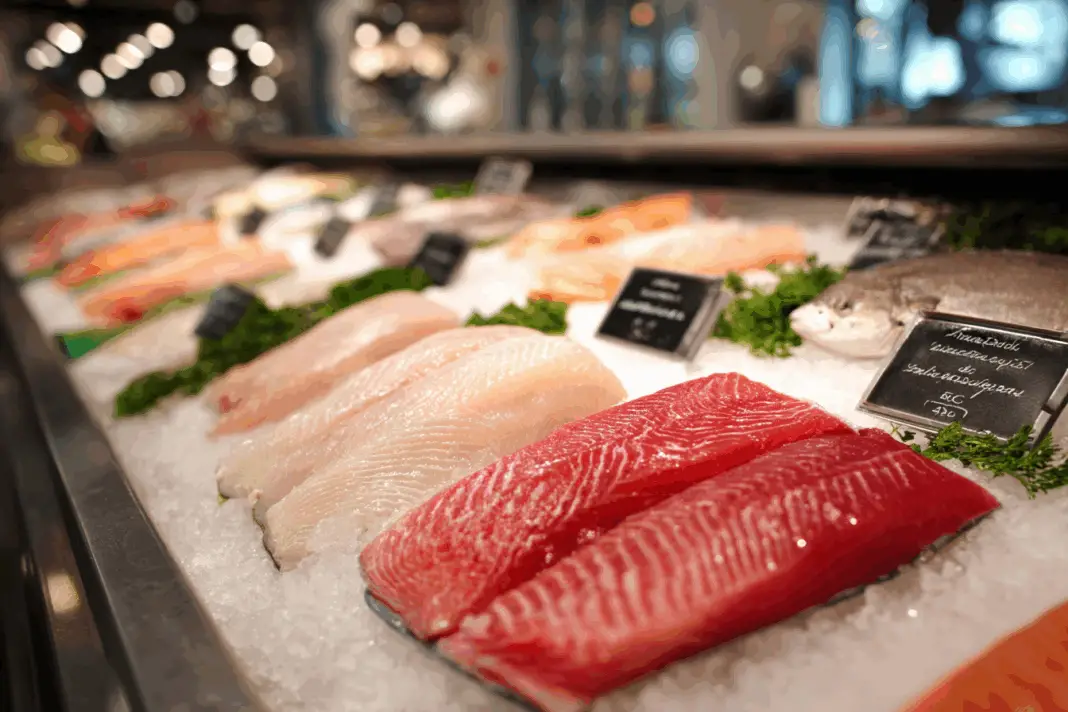
Walking through the fish section at your local grocery store can feel overwhelming. There are so many choices, and half the time the labels seem confusing or don’t tell you what you really need to know. You might see some fish priced surprisingly low and wonder if you’re getting a great deal or if something’s off. Maybe you’ve heard people talk about mercury or sustainability but aren’t sure what that actually means for your dinner tonight. The truth is, not all fish at the supermarket are created equal, and some are worth skipping entirely for reasons that have nothing to do with taste.
Asian catfish sold as swai or basa
You’ve probably seen packages of something called swai or basa in the freezer section, usually at a really low price. These are actually Asian catfish from Vietnam or China, and they can’t legally be called “catfish” in the United States because that name is reserved for domestic fish. American catfish, whether wild-caught or farmed, follows pretty strict standards and makes for a solid dinner choice. The Asian versions, though, come with some serious baggage that might make you think twice.
The main issue is how these fish are raised. Many farms in Vietnam and China use heavy amounts of chemicals in their farming process, which creates both health concerns and environmental problems. If you see fish labeled swai, basa, or tra, especially at a suspiciously low price, it’s probably best to pass. American catfish isn’t much more expensive and you’ll know you’re getting something raised with better practices. The price difference is worth it when you consider what might be in that cheaper option.
Pink and keta salmon from the freezer
When you think of salmon, you probably picture that rich, buttery fish that’s worth the higher price tag. But not all salmon delivers on that expectation. In the freezer section, you’ll often find pink salmon and keta salmon, sometimes called chum or dog salmon, at prices way lower than other varieties. There’s a reason these cost less, and it’s not just because they’re frozen. These are the leanest types of salmon, which means they’re much more likely to turn out dry and disappointing when you cook them.
Keta salmon got its “dog salmon” nickname because it used to be fed to sled dogs, which should tell you something about where it ranks. Pink salmon is what you’ll usually find in canned salmon unless the label specifically says otherwise. They’re not terrible, but they lack the rich taste and moist texture that makes salmon special. If you’re going to spend money on salmon, even a few extra dollars for a better variety like sockeye or coho makes a huge difference in your final meal. Why settle for dry, bland fish when salmon is supposed to be one of the good ones?
Tilapia from unknown sources
Tilapia has become one of those fish that’s everywhere in grocery stores and on restaurant menus, usually at a pretty affordable price. The problem is that nobody seems particularly excited about it. Food writers politely call it a “blank slate,” which is code for saying it doesn’t taste like much of anything. It’s low in the healthy omega-3 fats that make fish worth eating in the first place. But the real issue isn’t that it’s boring, it’s that the farming practices can be questionable depending on where it comes from.
If you’re going to buy tilapia, you need to check where it was raised. Tilapia from China should be avoided because of environmental problems and potential health issues with how it’s farmed. Tilapia from Colombia, Indonesia, or Taiwan, or any source that has certification from recognized organizations, is generally okay if you’re really set on buying it. The issue is that many packages don’t clearly state the country of origin, or the print is so tiny you need a magnifying glass. When in doubt, skip it and go for something else.
Canned tuna without proper labels
Canned tuna is one of those pantry staples that most of us grew up with. It’s cheap, it lasts forever, and you can throw together a quick sandwich or pasta dish without much effort. But here’s the thing about tuna that doesn’t get talked about enough: even the smaller types of tuna are predators, and predators tend to collect mercury in their bodies over time. That mercury ends up in you when you eat the fish, and it can cause real problems, especially for kids and pregnant women.
Not all canned tuna is the same when it comes to mercury levels. Skipjack has lower mercury than albacore or yellowfin, so if the can actually tells you what species it is, that’s helpful information. You also want to look for certification logos from groups like the Marine Stewardship Council, which means the tuna was caught in ways that don’t accidentally kill a bunch of other sea creatures in the process. The problem is that many cans of tuna don’t provide this information clearly, or at all. Reading labels carefully makes a real difference here.
Orange roughy from any source
Orange roughy might not be as common as salmon or tuna, but in some areas it shows up regularly at the fish counter, often at a decent price. It’s a mild, white fish that’s pretty tasty, so what’s the problem? Well, unlike tilapia, which grows fast enough to rival chickens, orange roughy takes its sweet time. These fish live a really long time and don’t reproduce quickly, which means once they’re fished out of an area, they don’t bounce back easily or quickly.
The fishing also happens in environmentally sensitive areas where we don’t fully understand the impact yet. As if that wasn’t enough, orange roughy is one of the fish highest in mercury according to FDA testing. Because they live so long and eat other fish, they accumulate a lot of mercury in their bodies over the years. It’s one of those situations where even if you find it at a good price, you’re better off choosing something else. There are plenty of other white fish options that don’t come with these issues.
Atlantic cod instead of pacific
Cod used to be so common that people thought it would never run out. There are old stories about how thick the schools of cod were off the coast of New England and Canada. Then, in 1992, the Atlantic cod population completely collapsed. Generations of fishing families who had relied on cod for their livelihood suddenly had nothing. It was a massive wake-up call about what happens when we assume the ocean’s resources are endless and don’t pay attention to warning signs.
Today, you might occasionally see Atlantic cod from small, carefully managed fisheries, but even those are questionable because every fish caught is one less fish in a population that’s still trying to recover. Pacific cod is a much better choice and tastes virtually the same. You can also substitute haddock or ling in any recipe that calls for cod. These alternatives work just as well in fish and chips or baked dishes, and you don’t have to worry about contributing to the ongoing problem with Atlantic stocks.
Tilefish from the Gulf of Mexico
If you’re into fishing, you might already know about tilefish. They’re fun to catch and can get pretty big, sometimes over 50 pounds. They’re also delicious, with moist, flaky flesh and a slightly sweet taste that some people compare to crab or scallops. You can sometimes find tilefish at reasonable prices at the fish counter, which makes it sound like a great option. The catch, unfortunately, is mercury again, and this time it’s a serious problem.
Tilefish are large, deep-water predators, which means they accumulate a lot of mercury over their lifetimes. In twenty years of FDA testing, tilefish from the Gulf of Mexico had the highest mercury levels of any fish they tested. Atlantic-caught tilefish had lower levels, so if you’re pregnant or nursing, you should skip all tilefish. Even if you’re not, there are safer choices available. When a fish consistently tests that high for mercury, it’s not worth the risk no matter how good it tastes or how reasonable the price looks.
Most winter skate options
Skate is one of those fish that doesn’t get enough attention in American kitchens. It’s flat and diamond-shaped, kind of like a stingray, and what you buy are the “wings.” When you cook a skate wing, you get two nice fillets of meat, one on each side of the cartilage in the middle. The flesh slides right off after cooking, and it’s really tasty. So why avoid it? Because like sharks, skate has unusual body chemistry that causes problems if the fish isn’t super fresh.
When skate isn’t handled properly, it breaks down quickly and develops an ammonia smell that’s really unpleasant. More importantly, winter skate populations are low, and they’re slow to mature, which means they don’t recover quickly from fishing pressure. Only a few certified fisheries are actually sustainable sources. Several other types of skate almost ended up on the endangered list, but there wasn’t enough data to make the call, which isn’t exactly reassuring. Unless you can verify the source and know it’s certified sustainable, it’s better to choose something else.
Vaguely labeled Atlantic salmon
When you’re at the fish counter and see a package simply labeled “Atlantic salmon,” you might assume that’s all the information you need. After all, Atlantic salmon is Atlantic salmon, right? Not exactly. That vague labeling could mean the fish came from any number of places, and not all of them have the same standards for how the fish are raised. A good fishmonger at a specialty shop can tell you exactly where their salmon came from and how it was raised or caught. At the supermarket, you’re often left guessing.
The problem with vague labels is that you can’t make an informed choice. Salmon from some Atlantic sources, like farms in Chile, Norway, or Scotland, may not meet the standards you’d want. Without clear labeling that tells you the country of origin and whether it’s farmed or wild-caught, you’re buying blind. If the package doesn’t give you specific information, ask someone behind the counter. If they can’t tell you, consider buying something else or waiting until you can shop somewhere that provides better information about their seafood sources.
Buying fish at the supermarket doesn’t have to be complicated, but it does require you to pay attention to what you’re actually getting. Check the labels carefully, ask questions when information isn’t clear, and remember that the cheapest option isn’t always the best deal if it means you’re eating something that’s been mislabeled or poorly sourced. There are plenty of good fish choices available at reasonable prices once you know what to look for and what to avoid.
