

Walking down the deli aisle at your local grocery store can feel overwhelming with all the choices staring back at you. You might think all packaged deli meat is pretty much the same, but some brands will leave you with a sandwich that’s slimy, overly salty, or just plain disappointing. Whether you’re packing lunch for the kids or making a quick sandwich for yourself, knowing which brands consistently fall short can save you money and frustration. Some of these popular names might surprise you, especially when cheaper alternatives actually taste better.
Aldi’s deli meat gets consistently bad reviews
Many shoppers love Aldi for its low prices, but their deli meat section is where you should probably look elsewhere. The store doesn’t have an actual deli counter, so all their sliced meats come pre-packaged in clear plastic bags. This might seem convenient, but customers consistently complain about the same issue: a gross, slimy film covering the meat. One shopper mentioned they can’t bring themselves to buy Aldi deli meat anymore after trying every type the store offers.
The slime comes from the preservative solution used in pre-packaged meats, which contains sodium and sugar water. Multiple customers have shared horror stories about the texture and quality, with some even reporting food poisoning incidents. However, Aldi does offer a different option called “Lunch Mate” that comes in red plastic containers, which seems to avoid the slime problem that plagues their regular deli meat selection.
Castle Wood Reserve costs too much for average quality
Castle Wood Reserve markets itself as a premium deli meat brand, and the price tag certainly reflects that positioning. You’ll often pay close to $10 for a single pound of their ham, which puts it in the luxury category. The meat itself isn’t terrible – it’s free of nitrates and artificial coloring, and the honey ham has a decent taste. But when you’re paying premium prices, you expect premium results, and this brand just doesn’t deliver enough value.
The packaging doesn’t reseal properly, which means your expensive purchase might dry out faster than cheaper alternatives. Most slices come out irregularly shaped, making your sandwiches look messy and unprofessional. The ham tends to be sweeter than expected, even for honey varieties, without the balanced salty or peppery notes that make deli meat interesting. When you can find equally good options for half the price, it’s hard to justify this splurge.
Applegate Farms disappoints despite the healthy image
Applegate Farms gets prominent shelf space in most grocery stores, often positioned with other “natural” and “organic” products. The brand makes a big deal about avoiding preservatives, nitrates, and antibiotics, which sounds great on paper. Many shoppers assume that because it’s positioned as a healthier option and costs more than regular deli meat, it must taste better too. Unfortunately, the reality doesn’t match the marketing hype when you actually eat it.
The texture is the biggest problem – the slices are thick but rubbery, making them difficult to fold or layer properly in a sandwich. Side-by-side testing reveals that other brands with similar ingredient lists taste significantly better for the same price or less. The pricing is also inconsistent between stores, sometimes varying by $2 or more for the same package. If you’re going to pay premium prices for preservative-free deli meat, there are better options available that actually taste good too.
Oscar Mayer adds too much water to their slices
Oscar Mayer is one of the most recognizable names in lunch meat, but their deli ham suffers from a major flaw that makes sandwich-making frustrating. The slices contain so much added water that you’ll need to pat them dry with paper towels before putting them on bread. Nobody wants soggy bread, and having to prep your lunch meat before using it defeats the purpose of buying pre-sliced convenience products.
Beyond the water issue, Oscar Mayer loads their deli ham with additives like caramel coloring, extra sugars, and corn syrup. The ingredient list reads more like a chemistry experiment than food. While the Black Forest variety has some peppery notes that add interest, the overall quality doesn’t justify choosing this brand when cleaner, less watery options exist for similar prices. The brand’s reputation relies heavily on nostalgia rather than current product quality.
Hillshire Farm slices are too thin and salty
Hillshire Farm cuts their deli meat so thin that it becomes almost impossible to handle without tearing. Every time you try to pull a slice from the package, it falls apart into smaller pieces. By the time you’ve gathered enough fragments to make a proper sandwich layer, the meat is packed so tightly that it doesn’t integrate well with other ingredients like lettuce, tomato, or cheese. This ultra-thin slicing might look fancy, but it’s completely impractical for everyday use.
The salt content is another major issue that overwhelms everything else in your sandwich. The saltiness becomes so dominant that you can’t taste any other ingredients, turning every bite into a sodium bomb. Even adding mayo or other condiments can’t balance out the overwhelming salt level. The meat also becomes increasingly watery the longer it sits in your refrigerator, making the texture even less appealing. While the packaging seals well, that’s about the only positive feature worth mentioning.
Generic store brands often lack consistent quality
Many grocery stores offer their own private-label deli meats at attractive prices, but the quality varies wildly from week to week. One package might be perfectly fine, while the next could be overly salty, dry, or have an off taste. This inconsistency makes it difficult to rely on store brands when you want predictable results for family meals or packed lunches. The lack of quality control becomes especially noticeable when you’re buying the same product regularly.
Store brands also tend to use more fillers and preservatives to keep costs down, which affects both taste and texture. The meat often has a processed, artificial taste that doesn’t pair well with fresh ingredients like tomatoes or lettuce. While the lower price point might seem appealing, you often end up throwing away portions that don’t taste good, which eliminates any savings. Packaging quality is another concern, as cheaper containers may not seal properly, leading to faster spoilage and waste.
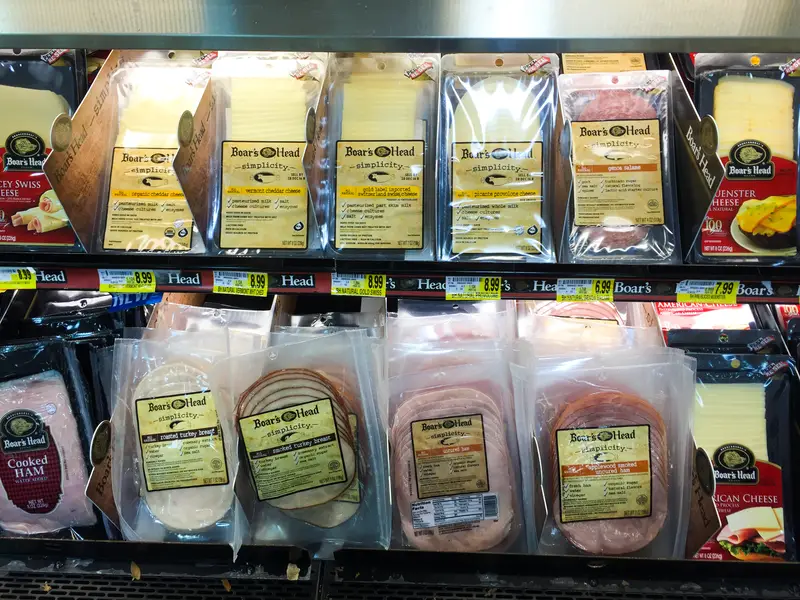
Boar’s Head pricing doesn’t match the actual quality
Boar’s Head has built a reputation as a premium deli meat brand, and their prices certainly reflect that positioning. Many delis and grocery stores prominently display the Boar’s Head name, creating an expectation of superior quality. However, when you actually compare the taste and texture to less expensive alternatives, the difference often isn’t significant enough to justify the premium pricing. The brand relies heavily on marketing and perceived prestige rather than genuinely superior products.
The quality can also vary significantly depending on where you buy it and how long it’s been sitting in the case. Some locations slice it fresh and maintain proper storage, while others let it sit too long, resulting in dried-out edges and loss of taste. The extensive product line means that some varieties are quite good while others are mediocre, but you’re paying premium prices across the board. Unless you’re buying for a special occasion where presentation matters, you can usually find comparable quality at much better prices from other brands.
Packaged turkey often tastes artificial and processed
Many packaged turkey products, regardless of brand, suffer from an artificial, processed taste that’s immediately noticeable. The meat often has a rubbery bounce when you bite into it, and the added sodium and preservatives create a chemical aftertaste that lingers. Even varieties labeled as “natural” or “minimally processed” can have this problem because of how the turkey is prepared and packaged. The end result tastes nothing like actual roasted turkey.
Turkey deli meat also tends to dry out quickly once the package is opened, becoming tough and unappetizing within a few days. The high water content means it doesn’t freeze well either, so you can’t buy larger quantities to save money. Many brands add extra sugars and corn syrup to mask the processed taste, but this creates an oddly sweet profile that doesn’t work well in savory sandwiches. If you want turkey for sandwiches, you’re often better off buying a whole turkey breast and slicing it yourself.
Honey-glazed varieties are usually too sweet for most sandwiches
Honey-glazed ham and turkey might sound appealing, but most commercial versions go overboard with the sweetness. The honey coating often masks the actual meat taste, creating something that’s more like candy than deli meat. This excessive sweetness clashes with traditional sandwich ingredients like mustard, cheese, and vegetables, making it difficult to create a balanced sandwich. What should be a subtle enhancement becomes the dominant taste in every bite.
The honey glaze also tends to make the meat stickier and harder to separate, especially when it’s been sitting in the package for a while. The added sugars contribute to faster spoilage, and the sweet coating can attract bacteria more readily than plain deli meat. Many shoppers find that honey varieties work better for special occasions or party platters rather than daily lunch preparation. If you want honey taste, you’re better off adding a small amount of actual honey to regular deli meat rather than buying pre-glazed versions.
Knowing which deli meat brands consistently disappoint can save you from wasting money on subpar sandwiches. While everyone’s taste preferences are different, avoiding the brands with recurring quality issues means you’re more likely to end up with lunch meat that actually tastes good. The next time you’re shopping for deli meat, remember that the most expensive or heavily marketed options aren’t always the best choices for your sandwich needs.
