

We’ve all heard that fruit is nature’s candy, packed with vitamins and good stuff our bodies need. But here’s something that might surprise you: not all fruit choices are created equal when it comes to your health. Some fruits that seem like smart picks actually come with hidden downsides that nobody talks about. From sugar bombs disguised as health food to processed fruit products that barely qualify as real fruit, it’s time to take a closer look at what’s really in your shopping cart. Understanding which fruits to eat more carefully can help you make better choices without giving up the sweet treats you love.
Dried fruit packs way more sugar than fresh
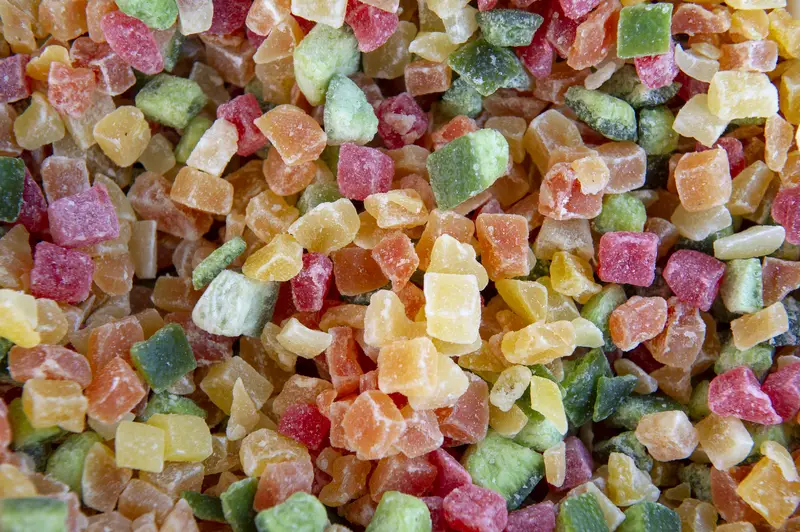
Those little boxes of raisins or bags of dried mango seem like perfect snacks, right? The problem is that removing water from fruit concentrates everything, including the natural sugars. A cup of fresh grapes has about 15 grams of sugar, but a cup of raisins? That jumps to over 100 grams. You’re basically eating candy that used to be fruit. The serving sizes on packages don’t help either since most people eat way more than the suggested quarter-cup portion.
Dried fruits also stick to your teeth much more than fresh fruit, which means that concentrated sugar sits on your enamel longer. Many brands add extra sugar or coat dried fruit in sweeteners to make them taste better, turning an already sugary snack into something even worse. Check the ingredient list carefully because “no sugar added” doesn’t mean low sugar. The fruit itself still contains all that natural sugar in a tiny, concentrated package. If you love dried fruit, try mixing a small handful with nuts to slow down how quickly you eat it and add some protein to balance things out.
Fruit juice is basically soda without the bubbles
Pouring yourself a big glass of orange juice at breakfast feels healthy, but you’re missing the whole picture. When you juice a fruit, you remove almost all the fiber that makes whole fruit good for you. What’s left is basically sugar water with some vitamins. A typical 12-ounce glass of orange juice contains about 36 grams of sugar, which is roughly the same as a can of Coke. Your body processes that liquid sugar super fast, causing your blood sugar to spike and then crash.
The fiber in whole fruit slows down sugar absorption and helps you feel full, but juice bypasses all of that. You can drink the juice from four oranges in about a minute, but try eating four whole oranges in one sitting. It’s not happening. Even “100% fruit juice” with no added sugar is still a concentrated sugar bomb. Many store-bought juices also contain “fruit juice concentrate,” which is just another way of saying added sugar. If you really want juice, limit yourself to a small four-ounce glass and eat some protein or fat alongside it to slow the sugar rush.
Canned fruit swimming in syrup adds unnecessary calories
Fruit cocktail and canned peaches seem convenient and shelf-stable, but check what they’re packed in before you buy. Many canned fruits come in heavy syrup or light syrup, which means they’ve been soaking in sugar water. A half-cup serving of peaches in heavy syrup contains about 24 grams of sugar, compared to just 13 grams in fresh peaches. That extra syrup doesn’t add any nutritional value, just empty calories that your body doesn’t need.
Even “light syrup” versions still add sugar beyond what the fruit naturally contains. If you prefer canned fruit for convenience or cost, look for options packed in water or their own juice instead. These versions taste just fine once you get used to them, and you’re not drinking spoonfuls of added sugar with every serving. Drain and rinse canned fruit before eating it to remove some of the excess syrup or juice. The vitamin content in canned fruit is actually pretty similar to fresh, so you’re not losing nutrition by choosing water-packed versions. You’re just skipping the sugar bath that makes healthy fruits less healthy.
Fruit-flavored snacks contain barely any real fruit
Walk down the snack aisle and you’ll see packages covered in pictures of strawberries, oranges, and other colorful fruits. Those gummy fruit snacks, fruit leather rolls, and fruit-flavored anything usually contain almost no actual fruit. The main ingredients are typically corn syrup, sugar, and food coloring with maybe a tiny splash of fruit juice concentrate thrown in for marketing purposes. These products are candy pretending to be fruit, and they’re especially misleading when marketed to kids.
Reading the ingredient list reveals the truth pretty quickly. If sugar appears in the first few ingredients and you don’t see real fruit until halfway down the list, you’re eating candy. Even products labeled “made with real fruit” often contain such small amounts that it barely matters. The vitamins added to these snacks are synthetic, not from the fruit itself, so you’re not getting the same benefits as eating an actual piece of fruit. These snacks also lack any fiber, which means they don’t fill you up or provide lasting energy. If you want something chewy and sweet, grab actual dried fruit instead, or better yet, fresh fruit that you can eat with the skin on for maximum fiber and nutrients.
Smoothie bowls can pack more calories than a meal
Instagram makes smoothie bowls look like the healthiest breakfast ever, but these trendy bowls often contain shocking amounts of sugar and calories. A typical smoothie bowl starts with blended frozen fruit, maybe some juice or sweetened yogurt, then gets topped with granola, more fruit, coconut flakes, honey, and other mix-ins. By the time you’re done building it, you might be looking at 600-800 calories and 60-80 grams of sugar. That’s more than many restaurant entrees.
The base itself usually contains multiple servings of fruit blended together, which removes the natural portion control you get from eating whole fruit. Adding sweetened granola and honey on top just piles on more sugar. Restaurant and smoothie shop versions are even worse because they often use fruit juice, frozen yogurt, or sorbet in the base to make it sweeter. Making your own at home helps control portions and ingredients, but you still need to watch what goes in. Stick to one or two fruits in the base, use plain Greek yogurt instead of sweetened versions, and limit high-calorie toppings. A proper smoothie bowl should be a balanced meal with protein and healthy fats, not just fruit and sugar in a pretty bowl.
Tropical fruits have higher sugar content than berries
Mangoes, pineapples, and bananas taste amazing because they’re naturally sweet, but that sweetness comes from higher sugar content compared to other fruits. One medium banana contains about 14 grams of sugar, and a cup of pineapple has 16 grams. Compare that to a cup of strawberries with only 7 grams or raspberries with 5 grams. Tropical fruits aren’t unhealthy, but eating large portions means consuming significantly more sugar than you might realize.
The fiber in whole fruit helps your body process the sugar more slowly than juice or candy would, so these fruits are still better choices than processed sweets. But if you’re watching your sugar intake for any reason, choosing berries over tropical fruits makes a noticeable difference. Berries also tend to have more antioxidants and other beneficial compounds per calorie than higher-sugar fruits. This doesn’t mean you need to completely avoid bananas or mangoes, just be aware of how much you’re eating. One banana as part of breakfast is fine, but snacking on three throughout the day adds up quickly. Mixing higher-sugar fruits with lower-sugar options gives you variety without overdoing it on the sweet stuff.
Fruit yogurt contains more sugar than ice cream
Those single-serve containers of fruit-flavored yogurt seem like smart breakfast or snack choices, but flip one over and check the sugar content. Many popular brands contain 20-30 grams of sugar in a six-ounce container, which is more than some ice cream. Some of that sugar comes from the natural lactose in milk, but most is added sugar mixed with artificial flavoring and tiny pieces of fruit. The “fruit on the bottom” varieties are especially guilty of this since that bottom layer is basically jam.
Even Greek yogurt versions marketed as high-protein options often contain shocking amounts of added sugar to make them taste better. The average flavored yogurt cup has about 7 teaspoons of sugar, which is more than a glazed donut at some shops. Low-fat and fat-free versions usually have even more sugar because manufacturers add sweetness to make up for removing the fat. Buying plain yogurt and adding your own fresh fruit gives you complete control over what goes in. Yes, plain yogurt tastes tangy at first, but your taste buds adjust quickly. Mix in some berries or sliced banana and maybe a tiny drizzle of honey if needed, and you’ve got a legitimately healthy option instead of dessert disguised as breakfast.
Watermelon and grapes disappear fast with little fiber
Eating watermelon on a hot day feels refreshing and light, and popping grapes while watching TV is an easy mindless snack. The problem is that both fruits are mostly water with relatively little fiber to slow you down or fill you up. You can easily eat several cups of watermelon or a whole pound of grapes without realizing it because they don’t trigger that “I’m full” feeling the way higher-fiber fruits do. That means you’re consuming more sugar than you intended without the satisfied feeling that usually tells you to stop eating.
A cup of watermelon contains about 9 grams of sugar and less than a gram of fiber, while a cup of grapes has 15 grams of sugar and only 1 gram of fiber. Neither one does much to keep you satisfied between meals. They’re still better choices than candy or chips, but they’re not the most nutritious fruit options available. Apples, pears, and berries contain significantly more fiber, which helps you feel full and keeps your blood sugar more stable. If you love watermelon and grapes, try pairing them with some cheese or nuts to add protein and fat that will help you feel satisfied. Or choose them as occasional treats rather than your go-to fruit every single day.
Fruit cups in school lunches use low-quality fruit
Those plastic fruit cups that come in lunch boxes or cafeteria trays seem convenient, but they’re often made with the lowest-quality fruit available. The peaches, pears, and mixed fruit in these cups are usually packed in syrup or sweetened juice, and the fruit itself tends to be mushy and bland. Manufacturers use fruit that doesn’t meet fresh market standards because appearance and texture don’t matter as much once it’s chopped up and sealed in a container with liquid.
The packaging also means these fruit cups can sit on shelves for months or even years before anyone eats them. While the nutritional content doesn’t change drastically over time, the taste and texture definitely do. Many kids end up drinking the sweet syrup and leaving the actual fruit behind, which defeats the entire purpose. Fresh fruit or even frozen fruit that you thaw yourself provides better nutrition, taste, and texture for roughly the same price. If convenience is the main concern, pre-cut fresh fruit containers from the produce section are a better middle ground. They cost slightly more but contain actual fresh fruit without added syrup or months of shelf time. Teaching kids to eat and enjoy real, whole fruit when they’re young makes it more likely they’ll continue choosing it as they get older.
Nobody’s saying you need to completely avoid these fruits or fruit products, but knowing what you’re really eating helps you make smarter choices. Real, whole fruit with the skin on gives you the most nutrition and fiber for the least amount of sugar and calories. When you choose processed fruit products or higher-sugar fruits, just be aware of what you’re getting and adjust your portions accordingly.
