

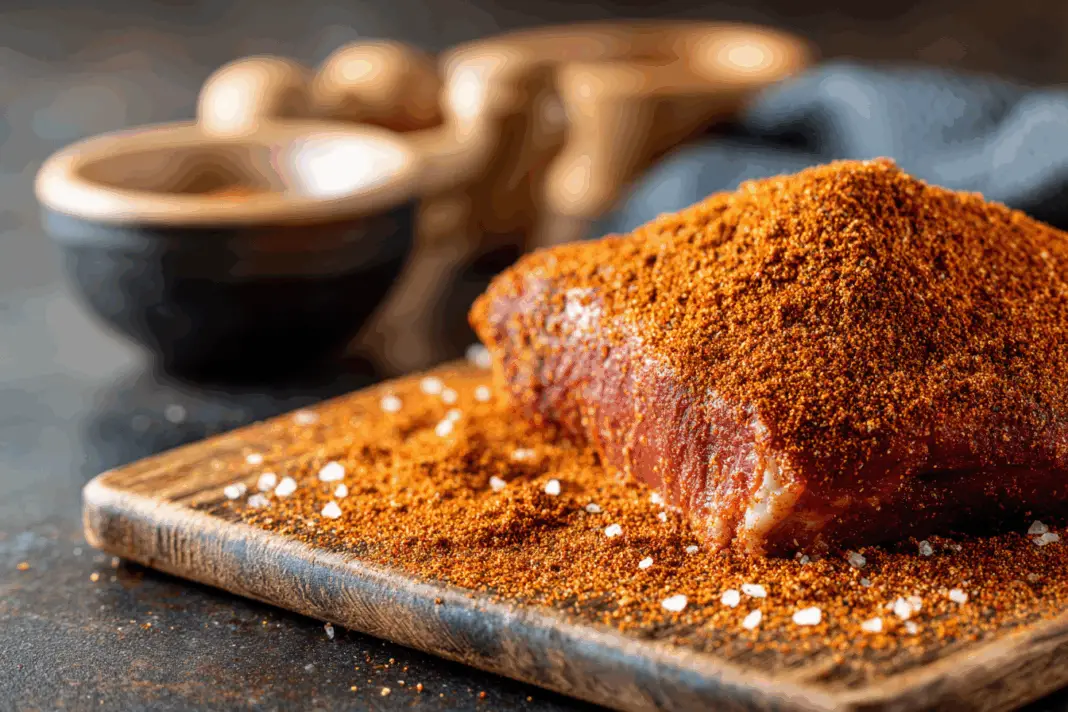
Most backyard grillers make the same mistake – they grab whatever spice blend is on sale at the grocery store and wonder why their meat tastes ordinary. The secret to restaurant-quality BBQ isn’t expensive equipment or fancy sauces. It’s a perfectly balanced dry rub that creates an incredible crust while infusing deep, complex taste into every bite. This game-changing blend combines everyday spices in a way that will make your neighbors ask for the recipe.
Most store-bought rubs are loaded with sugar and fillers
Walk down the spice aisle at any grocery store and you’ll find dozens of BBQ rubs promising amazing results. The problem is most of them list sugar as the first or second ingredient, followed by salt, then a bunch of mystery additives you can’t pronounce. These commercial blends often contain anti-caking agents, artificial colors, and preservatives that don’t add anything to the taste. Worse yet, all that sugar can burn before your meat is properly cooked, leaving you with a bitter, charred exterior.
Making your own rub gives you complete control over what goes on your food. Homemade blends can be customized to your exact preferences and dietary needs. You can reduce the sodium, skip the refined sugar, or amp up the heat level. Plus, buying spices in bulk is often cheaper than purchasing pre-made rubs, especially when you factor in how much more you get for your money.
Curry powder is the secret ingredient nobody talks about
While most BBQ enthusiasts stick to the usual suspects like paprika and garlic powder, curry powder brings a whole new dimension to grilled meat. This aromatic blend typically contains turmeric, coriander, cumin, and other warm spices that complement smoky meat perfectly. The turmeric adds an earthy depth and beautiful golden color, while the coriander provides a subtle citrus note that brightens the entire blend. Don’t worry about making your ribs taste like Indian food – the curry powder gets balanced by the other ingredients.
The anti-inflammatory properties of many curry spices are just a bonus. What really matters is how these spices work together to create layers of taste that keep people coming back for more. The warmth from the curry powder pairs especially well with pork and chicken, but it also works surprisingly well on beef and even grilled vegetables. Once you try this combination, you’ll wonder why more pitmasters don’t use this trick.
Smoked paprika makes everything taste like it came from a smoker
Regular paprika is fine, but smoked paprika is pure magic. This Spanish spice is made by drying peppers over oak fires, which gives it an intense smoky taste that can fool anyone into thinking your gas grill is actually a wood-burning smoker. Just a couple tablespoons in your rub will add that deep, complex smokiness that makes restaurant BBQ so addictive. It’s the difference between meat that tastes good and meat that makes people close their eyes and savor every bite.
The key is finding high-quality smoked paprika that hasn’t been sitting on a shelf for years. Fresh smoked paprika should smell intensely smoky and have a deep red color. Spanish brands like La Chinata or Hungarian varieties tend to be more potent than generic grocery store versions. Quality spices make a noticeable difference in the final result, so it’s worth spending a few extra dollars on the good stuff.
Coconut sugar caramelizes better than regular sugar
Most dry rub recipes call for brown sugar, but coconut sugar is a game-changer. It has a lower glycemic index than regular sugar, but more importantly for grilling, it caramelizes at a lower temperature and doesn’t burn as easily. This means you get that beautiful, sticky bark on your meat without the risk of bitter char. Coconut sugar also has a subtle caramel taste that adds depth without being overwhelmingly sweet.
The texture of coconut sugar is also ideal for dry rubs. It’s slightly coarser than regular sugar, which helps it stick to the meat better and creates more interesting texture contrasts in the finished crust. You can find coconut sugar at most health food stores or order it online. While it costs more than regular sugar, a little goes a long way, and one bag will make dozens of batches of this rub.
The right salt makes all the difference
Not all salt is created equal when it comes to dry rubs. Table salt has tiny crystals that can make your rub taste overly salty and harsh, while coarse sea salt provides better texture and more balanced seasoning. The larger crystals dissolve more slowly, which means they don’t overwhelm the other spices and create a more even distribution of saltiness. Kosher salt is another excellent choice because it’s easy to measure and has a clean, pure taste.
Sea salt also contains trace minerals that add subtle complexity to the overall taste profile. Some pitmasters swear by specific types like Celtic sea salt or Himalayan pink salt, but any good-quality coarse sea salt will work well. The important thing is avoiding highly processed table salt that can make your carefully crafted rub taste one-dimensional. Remember, salt is the foundation that makes all the other spices shine.
Timing your rub application changes everything
Many people think you can just sprinkle rub on meat right before it hits the grill, but timing is crucial for maximum impact. Applying the rub at least 30 minutes before cooking allows the salt to start breaking down the meat’s surface proteins, which helps the other spices penetrate deeper. For even better results, rub your meat the night before and let it sit uncovered in the refrigerator. This creates a pellicle – a tacky surface that helps the rub stick better and develop a more intense crust.
The overnight method works especially well for thicker cuts like pork shoulder or beef brisket, but even chicken benefits from a few hours of rub time. Just make sure to take the meat out of the fridge 30-45 minutes before cooking so it comes to room temperature. Cold meat straight from the refrigerator can cook unevenly and won’t develop the same quality crust as meat that’s had time to warm up slightly.
This rub works on way more than just ribs
While this blend was designed with BBQ in mind, it’s incredibly versatile. Try it on grilled chicken thighs, pork chops, or even salmon for a completely different take on these common proteins. The sweet and smoky combination also works surprisingly well on vegetables – toss some cauliflower or sweet potato wedges with a little olive oil and this rub before roasting them in the oven. Even scrambled eggs get an interesting twist when you add a pinch of this blend.
For busy weeknight dinners, this rub transforms simple proteins into something special without requiring any extra cooking skills. Just coat whatever you’re making, let it sit while you prep sides, then cook as usual. Restaurant-quality results become achievable even on hectic evenings when you don’t have time for complicated marinades or sauces.
Making double batches saves time and money
Once you taste how much better homemade rub is compared to store-bought versions, you’ll want to always have some on hand. Making double or triple batches is smart because the spices blend better in larger quantities, and you’ll save time in the long run. Store the extra in airtight mason jars or spice containers, and it will stay fresh for several months. Label each jar with the date so you know when it’s time to make a fresh batch.
Having homemade rub ready to go makes meal planning so much easier. You can portion out individual servings for different proteins, or even give jars as gifts to friends and family who appreciate good food. The cost savings add up quickly too – buying spices in bulk and mixing your own blends costs a fraction of what you’d spend on premium store-bought rubs. Plus, you control exactly what goes into your food.
Storage and freshness tips that actually matter
Even the best spice blend won’t taste good if it’s stale or improperly stored. Keep your homemade rub in airtight containers away from heat and direct sunlight. A cool, dark pantry or spice cabinet is ideal. Avoid storing spices above the stove or near other heat sources, as this breaks down the essential oils that give spices their potency. Glass jars work better than plastic containers for long-term storage because they don’t absorb odors or allow air to seep in.
Most spice blends stay potent for 6-8 months when stored properly, but you’ll know it’s time for a fresh batch when the aroma starts to fade. Ground spices lose their punch faster than whole spices, so consider buying whole cumin seeds and grinding them yourself for maximum freshness. If you notice any moisture in your spice containers, add a few grains of rice to absorb humidity and prevent clumping. These small details make a big difference in the final taste of your grilled food.
This dry rub recipe proves that the best BBQ doesn’t require expensive equipment or complicated techniques. With just six simple ingredients and proper timing, anyone can create restaurant-quality grilled meat at home. The combination of curry powder, smoked paprika, and coconut sugar creates layers of taste that keep people coming back for more. Make a batch this weekend and prepare for your grilling game to reach a whole new level.
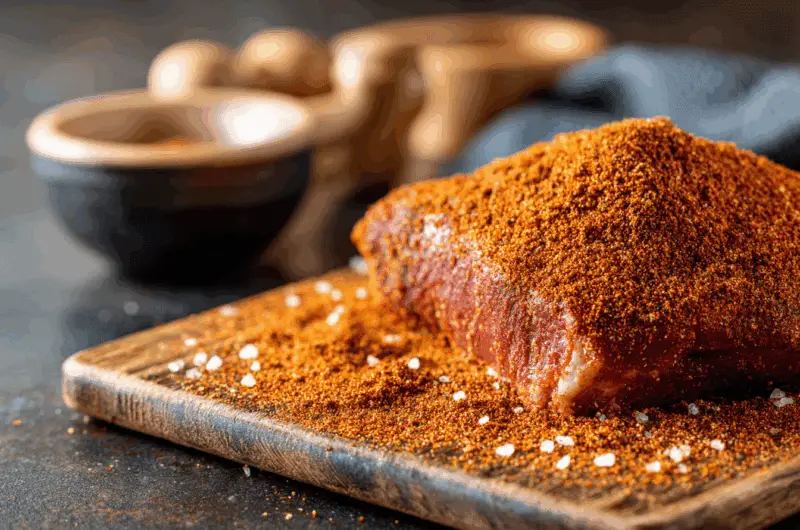
The Ultimate Game-Changing BBQ Dry Rub
Course: BBQ8
servings5
minutes25
kcalThis incredible dry rub transforms ordinary grilled meat into restaurant-quality BBQ with just six simple ingredients and one secret spice that changes everything.
Ingredients
1/4 cup curry powder
1/4 cup smoked paprika
1/4 cup garlic powder
1/4 cup coconut sugar
2 tablespoons ground cumin
2 tablespoons coarse sea salt
Directions
- Combine all ingredients in a large mixing bowl. Use a whisk to blend everything together thoroughly, making sure there are no clumps of individual spices. The mixture should have a uniform color and texture throughout.
- Transfer the blended rub to an airtight container such as a mason jar or spice shaker. Label with the date and contents for future reference. Store in a cool, dark place away from heat sources like the stove or direct sunlight.
- For best results, apply the rub generously to your chosen protein at least 30 minutes before cooking. Press the rub into the meat surface to ensure good adherence. For even better penetration, apply the rub the night before and refrigerate uncovered.
- Remove meat from refrigerator 30-45 minutes before grilling to allow it to come to room temperature. This ensures even cooking and better crust development. Cook according to your preferred method and internal temperature guidelines.
Notes
- This recipe makes about 1 cup of rub, enough for 3-4 pounds of meat
- Store in an airtight container for up to 6 months for best potency
- Works excellently on pork ribs, chicken thighs, beef brisket, salmon, and even roasted vegetables
- For less heat-sensitive proteins like vegetables, you can apply the rub just before cooking
- Double the recipe to always have some on hand – it makes great gifts too
Frequently Asked Questions
Q: Can I substitute regular paprika if I don’t have smoked paprika?
A: You can use regular paprika, but you’ll miss out on the deep smoky taste that makes this rub special. If you only have regular paprika, consider adding a tiny amount of liquid smoke to your meat before applying the rub, or look for smoked paprika at specialty stores or online.
Q: How much rub should I use per pound of meat?
A: Use about 2-3 tablespoons of rub per pound of meat. For ribs, you’ll want to coat both sides generously. For larger cuts like pork shoulder or brisket, use more rub since these benefit from heavier seasoning that penetrates during the long cooking process.
Q: Is coconut sugar really necessary or can I use brown sugar?
A: Brown sugar works fine as a substitute, but coconut sugar caramelizes better and burns less easily at high temperatures. If using brown sugar, watch your cooking temperature more carefully to avoid burning the exterior before the inside is done.
Q: Can I make this rub without the curry powder?
A: The curry powder is what makes this rub unique, but you can substitute it with additional cumin and a pinch of turmeric if you’re concerned about the taste. However, the curry powder doesn’t make the meat taste like curry – it just adds warmth and complexity that works perfectly with BBQ.
