

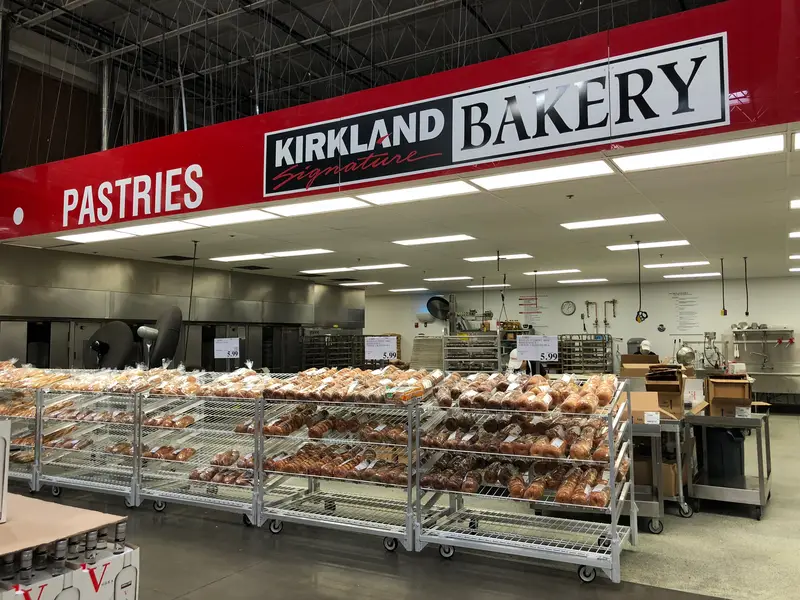
Walking through Costco’s bakery section feels like stepping into heaven. That amazing smell of fresh bread and cookies fills the air, and everything looks perfect behind the glass. But what if those “fresh-baked” cookies weren’t actually made in the store? The truth about what really happens in Costco’s bakery might surprise you – and it could completely change how you shop there. From sneaky price increases to unhygienic customer behavior, there’s a lot more going on than you realize.
Most items aren’t actually baked from scratch in the store
That wonderful bakery smell might be deceiving you more than you think. When you see those beautiful croissants and cookies sitting in the display case, it’s easy to assume someone just pulled them fresh from the oven after mixing the dough. The reality is pretty different. Most of what you see arrives frozen from commissary kitchens, and the bakery staff just bakes or thaws them to give that fresh appearance. Those croissants, bagels, and even some massive cheesecakes come pre-made.
This doesn’t mean the items taste bad – they’re still delicious. But understanding which items are made in-house versus which ones come pre-made helps you shop smarter. The artisan breads and many pies actually do get made from scratch by real Costco bakers. The cookies and croissants, though? They arrive frozen and just get heated up. This explains why your favorite items taste exactly the same whether you shop in California or Florida. The consistency comes from centralized production, not individual store bakers perfecting their craft.
You can buy frozen versions for way less money
Here’s something most people walk right past without realizing. Those same bakery items you’re buying fresh? You can often find them frozen somewhere else in the store for much cheaper. Frozen bagels will save you about 30 cents per bagel compared to the ones in the bakery section. Croissants follow the same pattern, costing about 31 cents less each when you buy them frozen instead of from the bakery display. These savings might not seem huge at first, but when you’re buying in bulk, it adds up fast.
The best part? You get two major benefits from buying frozen. First, obviously, you save money on identical products. Second, you can bake them whenever you want, which means you always have fresh-tasting treats ready to go. Just pop them in your oven at home and enjoy that fresh-baked smell in your own kitchen. Many shoppers have no idea this option even exists because the frozen versions aren’t always displayed near the fresh bakery section. Just ask a bakery employee where to find the frozen, unbaked versions of your favorite items, and they’ll point you in the right direction.
The muffins got smaller, but cost way more per ounce
If you’ve been buying Costco muffins for years, you might have noticed something felt off recently. The warehouse giant quietly changed their muffin packaging, and the new version is a terrible deal. The old six-packs used to weigh 35 ounces and cost $9.99. Now you get eight-packs that weigh only 31 ounces for $6.99. At first glance, this seems better because you’re paying less money and getting more individual muffins. But when you actually do the math, you’re paying 58% more per ounce with the new muffins.
The price increase isn’t even the worst part. Customers who’ve tried both versions say the new muffins taste worse than the old ones. They’re drier, grainier, and just generally less satisfying. Plus, you can’t mix and match flavors anymore. Before, you could grab a pack of blueberries and a pack of chocolate chips to get variety. Now you’re stuck buying eight of the same flavor, which means eating the same muffin for days or watching them go stale. This sneaky change has made a lot of longtime members feel betrayed, and many say they’ll just bake their own muffins from now on.
Customers are tampering with bakery items using their bare hands
This next part is genuinely disturbing. Reports have been popping up about shoppers opening bakery containers and rearranging items with their bare hands. Someone actually witnessed a couple opening croissant packages and swapping pastries between different containers. Another shopper saw someone digging through bread bins without using the provided tongs. This isn’t just gross – it’s a serious health concern for everyone who shops there. The problem has gotten bad enough that people on social media are calling for membership revocations.
The bakery containers don’t have proper seals, which makes this tampering way too easy. Frustrated shoppers have suggested that Costco needs to add stickers or other security measures to prevent people from opening packages before purchase. Some members say they now think twice before grabbing items from the bakery section because they don’t know if someone else has already touched everything. The whole situation has created an uncomfortable shopping experience for people who just want to buy clean, untouched food. Until Costco addresses this issue with better packaging, you might want to grab items from the back of the display where fewer people can reach them.
Seasonal items sell out incredibly fast
When Costco releases seasonal bakery treats, they don’t last long. Take the apple fritter donut bites that come back every fall. These cinnamon-packed treats come in boxes that cost less than $10 and contain about 52 donut holes total. Sounds like a great deal, right? The problem is that devoted customers know about these items and clear the shelves almost immediately. One shopper reported their family polished off an entire box in under three hours. Another said the donut bites didn’t last an hour in their house.
This rapid sellout happens with other seasonal items, too. Holiday cakes, special cookies, and limited-time pastries all disappear fast. In some countries like Mexico, the demand got so intense that people were buying entire pallets of cakes to resell at higher prices. The situation became such a problem that Costco had to implement purchase limits. Videos surfaced showing customers literally racing to the bakery section and fighting over cakes. One reseller bought 150 holiday cakes in a single day, completely wiping out the store’s inventory. Now, Mexican Costco locations limit cake purchases to two per customer to give regular families a fair chance.
Nothing from the bakery ever gets thrown away
Ever wonder what happens to all those muffins and cookies that don’t sell by closing time? Unlike regular grocery stores that toss unsold baked goods in the trash, Costco has a much better system. At the end of each day, all unsold bakery items go to local food banks and charities. This means nothing fresh from the bakery ends up in a dumpster. The donation program is part of a bigger company-wide effort to reduce waste while helping people in the community who need food. It’s not something Costco advertises heavily, but employees take pride in it.
This donation policy also explains something you’ve probably noticed – you never see day-old discounts in the Costco bakery section. Most regular bakeries will mark down items that are about to expire, trying to sell them before they go bad. Costco doesn’t bother with that approach. Everything sells at full price or gets donated. Rather than dealing with complicated markdown systems and training staff on when to discount items, they just give unsold goods to organizations that can distribute them quickly. This straightforward approach means you won’t find any deals on slightly older items, but it also means the bakery section always looks fresh and fully stocked.
The free cookie policy changes from store to store
Parents shopping with kids might know about the free cookie perk, but here’s the frustrating part – it’s not consistent across all locations. Some Costco stores hand out free cookies to children who ask at the bakery counter without any issues. Other locations stopped offering this completely or only do it occasionally. The inconsistency creates problems for parents whose kids expect a cookie every time they visit. One store might give out cookies regularly, while another location a few miles away never offers them. It all depends on local management decisions rather than official company policy.
The cookies are usually simple sugar cookies, nothing fancy. But for kids, that little treat makes the shopping trip much more bearable. Parents who rely on this perk to keep their children happy while shopping have learned to call ahead or check with their local store before promising cookies to their kids. The lack of a standardized policy means you can’t count on getting a free cookie at every Costco location. Some members wish the company would either make it an official policy everywhere or stop offering it completely, just so expectations are clear. The current situation creates disappointment for kids who visit stores that don’t participate.
Ordering custom cakes is surprisingly simple
Need a cake for a birthday or celebration? Costco makes it really easy, even though the process might seem old-fashioned. Instead of complicated online forms or waiting on hold, you just fill out a simple paper form at the bakery counter. The selection is limited compared to fancy bakeries – you get two basic sizes (10-inch round or half-sheet) and two flavors (white vanilla or chocolate). But the trade-off is worth it because Costco cakes cost way less than comparable options from dedicated bakeries. A half-sheet cake that serves about 48 people costs around $20.
You typically need to order at least two or three days in advance, though some locations might accommodate rush orders if they have room in their schedule. The simple ordering process means less hassle for you. Just walk up to the counter, tell them what you want written on the cake, pick your size and flavor, and you’re done. No need to navigate confusing websites or describe exactly what you want over the phone. The pen-and-paper approach might seem outdated in 2025, but it works efficiently. The limited options actually make decision-making easier instead of overwhelming you with dozens of choices.
You can return bakery items if you’re not satisfied
Costco’s famous return policy applies to bakery items, too, which more people should know about. If you get home and discover your muffins are stale, or you try the new, smaller version and hate them, you can bring them back for a full refund. With all the recent changes and quality complaints, this policy matters more than ever. Maybe someone tampered with your croissants, or perhaps the cookies just don’t taste as good as you remembered. Whatever the issue, Costco will take them back without arguing.
That said, don’t abuse this generous policy. Returning half-eaten food just because you didn’t enjoy it as much as expected isn’t really fair. The return policy exists for legitimate quality or freshness issues, not buyer’s remorse. If your cake arrived damaged, your bread was moldy, or the product didn’t match what was advertised, absolutely use this option. But if you just changed your mind or ate most of it already, that’s pushing the boundaries. The policy works because most customers use it responsibly. With the muffin changes upsetting so many longtime members, more people might test this return policy in the coming months.
Now you know what’s really happening behind that tempting bakery counter at Costco. From pre-made frozen items to sneaky price increases on muffins, the warehouse store has some secrets worth knowing. Understanding these facts helps you make smarter shopping decisions, whether that means buying frozen versions to save money or being more careful about which packages you grab. The bakery section still offers good value on many items, but going in with your eyes open means you won’t get caught off guard by changes or disappointed by what you thought you were getting.
