

That bottle of “extra virgin” olive oil sitting in your kitchen cabinet might not be what you think it is. Studies show that nearly half of all olive oils sold in major American supermarkets fail to meet basic quality standards, with some containing absolutely no olive oil at all. Instead of the healthy, authentic product you paid for, you could be getting a mixture of cheap vegetable oils, artificial colors, and chemical additives designed to fool your senses and your wallet.
Most people ignore the harvest date completely
Walk down any grocery store aisle and you’ll see dozens of olive oil bottles with “best by” dates prominently displayed, but these dates are essentially meaningless. The harvest date tells the real story about freshness, yet most shoppers have never even looked for one. Real olive oil comes from olives harvested once per year in late fall, and the best oils will proudly display this information on their labels.
When a bottle shows a harvest date within the last 12 to 14 months, you know you’re getting oil that’s as fresh as possible. Bottles without harvest dates often contain oil that’s been sitting in storage tanks for years before being bottled and shipped to stores. The “bottled on” date means nothing since oil could have been stored for months or even years before reaching that bottle.
Clear glass bottles are a dead giveaway
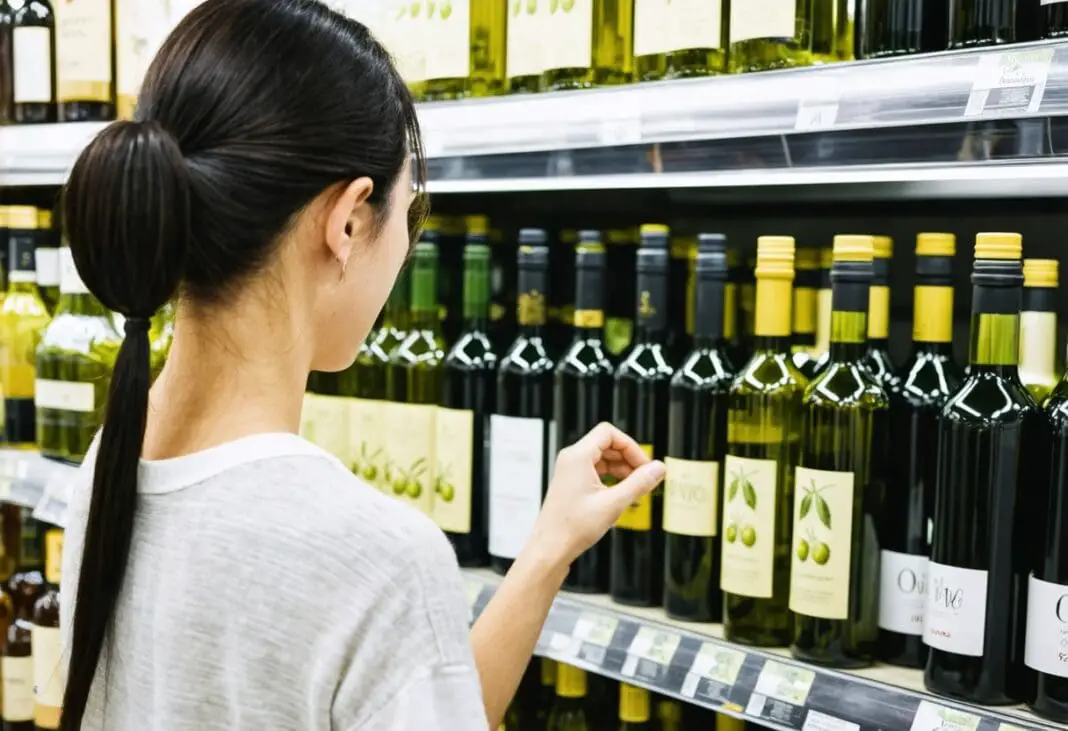
Those beautiful clear glass bottles that show off the golden color of olive oil are actually destroying the product inside. Light is one of olive oil’s biggest enemies, breaking down the beneficial compounds that make real extra virgin oil valuable. Quality producers always package their oil in dark glass bottles or metal containers to protect it from light damage during shipping and storage.
Plastic bottles are even worse since they’re too porous to protect the oil from heat, light, and moisture. When you see olive oil sold in clear glass or plastic containers, especially if they’ve been sitting under bright store lights, you can bet the oil inside has already started deteriorating. Dark bottles might hide the color, but they preserve everything that matters about genuine olive oil.
The words “pure” and “light” are marketing tricks
Marketing departments love using words like “pure,” “light,” “authentic,” and “cold-pressed” because they sound impressive to shoppers. The problem is that none of these terms have any official meaning in the olive oil industry. They’re essentially meaningless buzzwords designed to make inferior products seem premium. Even “cold-pressed” doesn’t guarantee quality since almost all olive oil is extracted without heat.
The only label that matters is “extra virgin,” and even that’s not always reliable. Products labeled as “virgin,” “light,” or just “olive oil” have been chemically refined or processed in ways that strip away the natural compounds that make olive oil special. Extra virgin is the only grade worth buying, though you’ll need to verify its authenticity using other methods since the label alone isn’t proof.
Suspiciously cheap prices should raise red flags
Real extra virgin olive oil costs money to produce, especially the early harvest varieties that contain the highest levels of beneficial compounds. When olives are picked early, before they’re fully ripe, each olive yields much less oil but creates a superior product. This process naturally makes authentic olive oil more expensive than the refined alternatives sitting next to it on store shelves.
If you find a bottle of “extra virgin” olive oil for just a few dollars, something’s wrong. Bargain prices usually mean the oil has been diluted with cheaper vegetable oils, mixed with old oil from previous harvests, or isn’t olive oil at all. While expensive doesn’t always mean better, extremely cheap olive oil is almost certainly fake or of very poor quality.
Country of origin labels can be misleading
Just because a bottle says “Product of Italy” doesn’t mean the olives were grown there or that the oil meets Italian quality standards. Much of the olive oil labeled as Italian actually comes from olives grown in countries like Tunisia, Morocco, Syria, or Turkey. These olives are shipped to Italy where they’re processed, bottled, and then legally labeled as Italian products.
The same trick happens with other popular olive oil countries. Look for specific regional information beyond just the country name – details like the exact estate, mill, or olive variety used. Authentic producers are proud of their specific location and will include detailed information about where their olives were grown and processed. Generic country labels without additional details often hide complex supply chains with multiple middlemen.
Your nose knows when something’s off
Real olive oil smells fresh and vibrant, with scents that might remind you of grass, green apples, or fresh herbs. If you open a bottle and smell nothing at all, or detect musty, rancid, or off odors, you’re dealing with low-quality or fake oil. Many Americans have become so accustomed to bland, processed olive oil that they don’t realize what the real thing should smell like.
The smell test works even better than visual inspection since many fake oils are artificially colored to look authentic. Genuine olive oil should have a distinct, pleasant aroma that makes you want to taste it. Oils that smell like crayons, metal, or nothing at all have either gone rancid or were never real olive oil to begin with.
The peppery bite indicates quality compounds
When you taste real extra virgin olive oil, you should feel a slight peppery sensation in the back of your throat. This peppery kick comes from natural compounds called polyphenols, which are one of the main reasons people seek out authentic olive oil. If your olive oil tastes smooth, bland, or greasy without any peppery notes, it’s likely been refined or diluted with other oils.
The intensity of the peppery sensation varies depending on the olive variety and harvest timing, but some degree of pepperiness should always be present in genuine extra virgin oil. Fresh oils might also taste slightly bitter, which is another sign of quality. Fake oils are often processed to remove these natural characteristics since manufacturers assume consumers want something bland and inoffensive.
Third-party certifications provide extra assurance
Look for bottles that display certification seals from organizations like the California Olive Oil Council (COOC) for domestic oils or the International Olive Council (IOC) for imported products. These organizations have their own testing standards and regularly verify that oils meet quality requirements. The COOC is particularly strict, often using standards that exceed international requirements.
Some premium producers also include test results on their labels, showing specific measurements like polyphenol content or free fatty acid levels. Quality producers aren’t afraid to share this technical information because they know their oil will pass any test. An excellent oil will have a free fatty acid level of 0.2 percent or lower, though most mass-market brands won’t bother listing this information.
Australian and Chilean oils are surprisingly reliable
While most people associate good olive oil with Mediterranean countries, some of the most reliable products actually come from Australia and Chile. These countries have developed strict quality standards and advanced testing systems that make fraud much more difficult. Australian olive oil regulations are among the world’s most stringent, and producers there rarely mix in old oil from previous harvests.
Chilean olive oil benefits from being produced in the Southern Hemisphere, which means their harvest season is opposite to Mediterranean countries. This timing difference means Chilean oils reaching American stores are often fresher than European imports that have been sitting around longer. When you see olive oil from Australia or Chile in your supermarket, it’s likely to be legitimate and fresh.
The next time you shop for olive oil, remember that authentic products are worth the extra money and effort to find. Real olive oil transforms cooking and adds genuine value to meals, while fake versions provide nothing more than expensive cooking fat. Armed with these detection methods, you can confidently choose bottles that contain the real deal instead of falling victim to widespread fraud in the olive oil industry.
