

Walking into a Mexican restaurant should feel exciting. The smell of fresh tortillas, the sound of sizzling meat, the colorful menu full of possibilities. But sometimes you sit down, open that menu, and spot something that makes you wonder if this place knows what it’s doing. Turns out, certain dishes on a menu can tell you everything you need to know about whether you’re in for an authentic experience or a disappointing meal. One dish in particular stands out as a major warning sign that even the experts agree on.
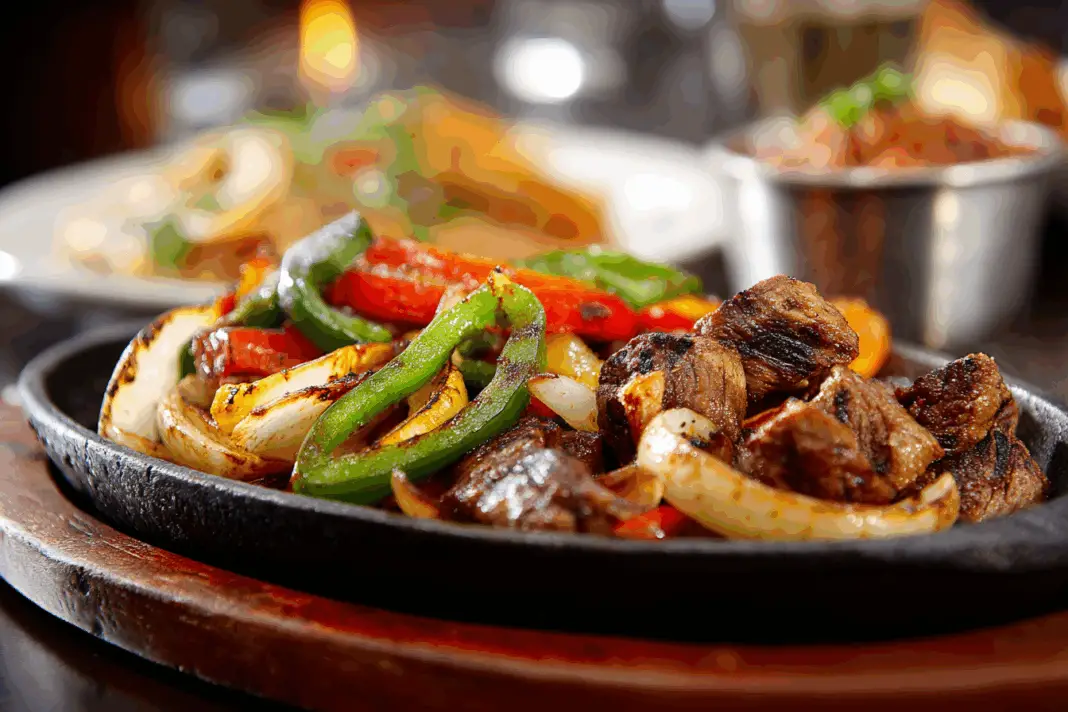
Fajitas appearing on the menu aren’t actually Mexican
That dramatic sizzling platter making its way through the dining room might look impressive, but it’s actually a red flag. Despite what many people think, fajitas aren’t traditional Mexican food. Chef Illiana de la Vega, who owns El Naranjo restaurant in Austin, Texas, points out that fajitas suggest the restaurant caters more to American tastes than authentic Mexican cooking. The dish actually comes from Texas in the 1930s, when ranch workers along the Rio Grande received skirt steak as part of their pay. They grilled this tough cut and wrapped it in tortillas, creating what would eventually become fajitas.
Fajitas didn’t even show up on restaurant menus until the 1960s, and the famous sizzling platter presentation came even later in the 1970s. By the 1980s, they were everywhere in Tex-Mex restaurants. Real Mexican food changes dramatically depending on which region you’re eating from, with everything from coastal seafood dishes to complex Oaxacan moles. But Tex-Mex restaurants tend to serve the same standardized items no matter where you go. When you see fajitas on the menu, you’re learning more about the restaurant’s approach than you might realize at first glance.
Store-bought tortillas that aren’t warmed properly
Tortillas make or break your entire meal at a Mexican restaurant. When they’re fresh and homemade, they smell like corn and feel soft and warm in your hands. But when restaurants serve cold, store-bought tortillas straight from the package, you’re getting a completely different experience. Food blogger Yvette Marquez-Sharpnack, who runs MuyBuenoBlog.com, explains that mass-produced tortillas lack texture and that amazing corn taste you should be getting. Chef de la Vega adds that tortillas shouldn’t crack when you fold them. If they do, they weren’t made fresh that day.
Good tortillas should stay flexible when you wrap them around fillings instead of crumbling apart or feeling rubbery. While corn tortillas are most common throughout central and southern Mexico, flour tortillas belong in northern Mexican cooking. Either type can be great as long as they arrive fresh and warm, ideally straight from the griddle. The best Mexican restaurants treat tortillas with respect because they know these are the foundation of most dishes. When a restaurant cuts corners on tortillas, they’re probably cutting corners elsewhere too.
Pre-made margarita mix instead of fresh ingredients
Those giant pitchers of bright green frozen margaritas might look fun, but they’re not doing you any favors. Chef de la Vega says that margaritas made from pre-made mix or processed lime juice signal a problem. Real margaritas use fresh squeezed lime juice and quality tequila, not artificial flavoring and cheap alcohol. A good margarita has a natural pale yellow-green color from fresh limes, not that neon green that screams artificial. These pre-made versions can pack 300 calories and 31 grams of sugar in just one drink, and they taste way too sweet without the bright tartness of real citrus.
Here’s something interesting: if you’re actually eating in Mexico, you probably won’t find margaritas on the menu unless you’re at a touristy spot. The drink was invented as a simple blend of tequila, orange liqueur, and fresh lime. Quality tequila made from 100% blue agave tastes smooth and complex, while cheaper versions burn and taste bitter. If you want something more traditional, try a paloma made with tequila and grapefruit soda, or a michelada that mixes beer with lime and spices. Loading up on sugary margaritas before your food arrives will make it harder to appreciate what you’re eating.
Only serving soda and beer for drinks
When a restaurant only offers regular soda and basic beer, you’re probably not getting the most authentic experience. Marquez-Sharpnack points out that limited drink options often mean the restaurant is playing it safe for American customers. Real Mexican restaurants serve aguas frescas, which are refreshing drinks made from fruit or grains. You might see horchata, a sweet rice and cinnamon drink, or jamaica made from hibiscus flowers. Tamarindo comes from tangy tamarind fruit, and seasonal options like pineapple water change throughout the year.
Other good signs include Mexican Coke made with real cane sugar instead of corn syrup, colorful Jarritos sodas in different fruit flavors, or café de olla, which is traditional Mexican coffee made in clay pots with cinnamon. During colder months, watch for champurrado, a thick chocolate corn drink, or atole, a warm corn-based beverage that comes in various types. For alcoholic drinks, a thoughtful selection of mezcal and tequila shows the restaurant cares about authenticity. They might also serve micheladas or palomas instead of just beer and margaritas. Restaurants offering these traditional drinks probably bring the same attention to their food.
Missing traditional Mexican desserts from the menu
Dessert might seem like an afterthought, but it actually reveals a lot about a restaurant’s commitment to authentic Mexican food. When the only sweet option is fried ice cream or flan from a box, the restaurant is missing an opportunity to showcase Mexico’s amazing dessert traditions. Marquez-Sharpnack gets excited when she sees Mexican chocolate featured in desserts. This special chocolate typically includes cinnamon and sometimes a touch of chile for a completely different taste than regular chocolate. Other classics worth looking for include tres leches cake, sopapillas, and churros that taste nothing like the ones at the mall.
Marquez-Sharpnack says pan dulce, or Mexican sweet breads, are especially rare and special to find. These colorful breads come in different shapes and flavors, from conchas with their shell pattern to marranitos shaped like little pigs. They’re deeply connected to Mexican food culture and show that a restaurant really understands tradition. Seasonal desserts demonstrate even more commitment. Things like capirotada, a bread pudding made during Lent with fruits, nuts, and cheese, or warming atole in winter months prove the restaurant follows traditional practices throughout the year. When dessert gets the same attention as everything else, you know you’re in good hands.
Using pre-made taco seasoning packets
Those little packets of taco seasoning you see at the grocery store have no business in a real Mexican kitchen. Marquez-Sharpnack is clear about this: pre-made taco seasoning isn’t necessary. All you need is garlic, onion, oregano, and maybe some chile powder. Simple ingredients done right taste way better than any packaged mix. When restaurants rely on premixed seasonings instead of layering individual spices and fresh ingredients, they’re taking a shortcut that really shows in the final dish. Commercial taco seasonings taste the same everywhere, with too much salt and cumin covering up everything else.
Real Mexican seasoning creates balance where you can actually taste the different herbs and spices working together. Instead of hitting you with one predictable taste, properly seasoned dishes reveal their complexity as you eat. What gets lost with packaged seasonings is all the regional variety in Mexican cooking. Different areas of Mexico have completely different seasoning styles, from the achiote-heavy dishes of the Yucatán to the complex dried chile combinations in Oaxacan moles to the bright fresh herbs used in Veracruz. True Mexican cooking builds taste methodically. Spices might get toasted first to release their oils before being added to the dish. Fresh ingredients like cilantro get added at specific times to preserve their brightness.
Expecting shredded yellow cheese on everything
If you’re expecting that orange shredded cheese on your tacos, you’re thinking of Tex-Mex, not Mexican food. Chef Marcela Valladolid, who hosts “Mexican Made Easy” on Food Network, doesn’t understand why people expect pre-shredded cheese inside traditional tacos. She says it has no place there in terms of texture or taste. Real Mexican cheeses include queso fresco, cotija, queso blanco, panela, chihuahua, asadero, and Oaxaca cheese. These range from salty and crumbly like feta to milky and stretchy like mozzarella, and each one serves a specific purpose in different dishes.
The crumbly cheeses get sprinkled over soups, stews, and grilled vegetables to add a salty punch without overwhelming everything else. The stretchy cheeses get melted into enchiladas and dips when you want that creamy texture. You might not get a huge cheese pull from most Mexican cheeses, but you’ll experience great taste that complements the other ingredients instead of covering them up. When a restaurant uses the right cheeses, it shows they understand how everything should work together. Mexican cheese isn’t meant to be the star of the show, but rather one part of a balanced dish where you can taste everything.
A menu without any regional specialties
Mexico has seven different food regions, and each one has its own style based on local ingredients and history. When a restaurant only serves the same familiar combination plates without any regional dishes, you’re missing out on what makes Mexican food so interesting. Chef de la Vega recommends looking for tacos al pastor, a Mexico City street food with marinated pork cooked on a vertical spit. Lebanese immigrants brought this cooking technique, and it evolved into something completely Mexican with pineapple, cilantro, and onion on small corn tortillas.
Other regional specialties to watch for include sopes, thick corn cakes with pinched edges that hold toppings like beans, meat, lettuce, and salsa. House-made mole shows serious dedication since these complex sauces can have more than 20 ingredients and take days to prepare. Pozole, a hominy soup with pre-Hispanic origins, demonstrates knowledge of traditional cooking. Birria tacos from Jalisco feature stewed goat or beef with rich broth for dipping. Mole poblano from Puebla combines chocolate, chiles, and tons of spices into a sauce that takes days to make properly. Caldo de res is a slow-simmered beef and vegetable soup that represents comfort food passed down through generations.
Thinking authentic Mexican food should be cheap
Too many people assume Mexican food should be quick, easy, and inexpensive. Chef Valladolid wants to change this misconception. She stresses that Mexican cuisine is layered and complex, worthy of elegant wine pairings and high-end dining experiences. A rich mole or pipián belongs next to a beautiful glass of Burgundy wine, and grilled fish with tomatillo salsa pairs perfectly with crisp Albariño. Mexican food has depth, structure, and elegance that deserves recognition and respect. The problem is that fast-food Mexican chains and Tex-Mex restaurants have trained Americans to expect cheap, quick meals.
But those places serve Americanized dishes made with American ingredients like yellow cheese. If your experience with Mexican food is limited to fast casual chains serving fajitas and chimichangas, both of which were invented in America, you’re missing the real thing. Authentic Mexican restaurants deserve to charge appropriate prices for the skill, time, and quality ingredients that go into their dishes. Things like proper mole can take days to prepare with dozens of ingredients. Pozole requires hours of slow cooking. Fresh tortillas made by hand throughout the day take labor and expertise. When you find a restaurant doing things right, the prices reflect the work involved.
Next time you’re choosing a Mexican restaurant, pay attention to these warning signs. Fajitas on the menu, store-bought tortillas, sugary margarita mix, limited drink options, missing desserts, pre-made seasonings, yellow cheese everywhere, no regional dishes, and rock-bottom prices all tell you something about what you’re going to get. The best Mexican restaurants take pride in their traditions, use fresh ingredients, make things from scratch, and charge fair prices for quality food. When you find a place that gets it right, you’ll taste the difference immediately.
