

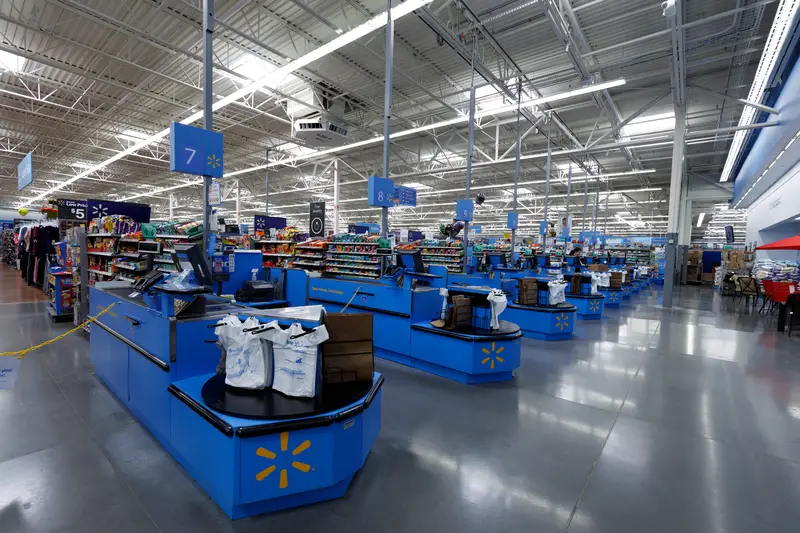
Walmart has built its entire identity around low prices. The whole brand promise — “Save Money. Live Better” — is practically tattooed on the American psyche. So when you walk through those automatic doors, you assume everything in your cart is a deal. That assumption is costing you money.
Real shoppers — people who obsessively compare receipts, track prices across stores, and post their findings online — have been calling out specific Walmart items that are quietly overpriced. Some of these might surprise you. Others will make you furious that you’ve been throwing money away for years.
Lindt Dubai Style Chocolate
This one tops the list for a reason. The Lindt Dubai Style Chocolate bar became a viral sensation on TikTok, and Walmart saw an opportunity. The result? A chocolate bar with a price tag that made shoppers do a double-take. According to customer complaints, this trendy import is one of the most egregiously overpriced items in the store. The Dubai chocolate craze — pistachio filling, knafeh crunch, the whole aesthetic — turned a candy bar into a status symbol. And Walmart priced it accordingly.
Here’s the thing about trend-driven food: the markup is baked into the hype. You’re not paying for better chocolate. You’re paying because someone with 3 million followers made a video eating it in their car. When the trend dies — and it will — this bar will either get a price cut or vanish from shelves entirely. In the meantime, you’re basically paying a luxury surcharge at a store that’s supposed to be the opposite of luxury.
Fresh Meat From the Meat Case
This is the one that stings the most because it’s not a novelty item — it’s dinner. Fresh meat at Walmart, especially beef, has been creeping up in price for years. Ground beef, steaks, and chicken breasts have all gotten more expensive, and shoppers are noticing that Walmart’s prices aren’t the bargain they used to be compared to other grocery stores.
An NPR price tracking project that checked 96 items at Walmart found that ground beef was among the products that got more expensive. Over a five-year window, the increases are painful. Shoppers on Reddit have pointed out that pricier cuts like ribeyes and New York strips at Walmart are often comparable to — or even more expensive than — what you’d find at a regional grocery chain that runs weekly sales. The lesson? Never assume Walmart wins on fresh meat. Check the weekly circulars from your local stores before you commit.
Great Value Pure Maple Syrup
Walmart’s store brand is supposed to be the budget option. That’s the entire point of Great Value — it’s right there in the name. So it’s a little insulting when the Great Value version of pure maple syrup costs almost as much as name-brand alternatives at other stores. Shoppers have flagged this as one of the worst deals in the breakfast aisle. Real maple syrup is expensive everywhere, sure. But when Walmart’s own brand isn’t meaningfully cheaper, you have to wonder what the point is.
If you use maple syrup regularly, buying it at Costco, Trader Joe’s, or even Aldi will save you a noticeable amount per ounce. The Great Value bottle looks like a deal because it’s a store brand sitting on a Walmart shelf. But the math tells a different story.
Chi-Chi’s Jarred Salsa
Chi-Chi’s salsa is one of those products that just sort of exists in the condiment aisle without anyone questioning it. But shoppers who actually stopped to look at the price were shocked. According to reports from real customers, Chi-Chi’s jarred salsa is significantly overpriced at Walmart compared to what you’d pay elsewhere — or compared to other salsa brands sitting right next to it on the shelf.
The brand doesn’t even have a restaurant to back it up anymore. The Chi-Chi’s restaurant chain closed its last location back in 2004. You’re paying a premium for name recognition from a place that hasn’t served a customer in over 20 years. Meanwhile, store-brand salsas and smaller brands like Herdez or even Pace offer the same (or better) product for less. This is one of those items where brand loyalty is literally just costing you money for no return.
Funyuns
Snack prices have gotten out of control everywhere, but Funyuns at Walmart have become a frequent target of shopper frustration. The onion-flavored rings have shrunk in bag size while the price has stayed the same or gone up — the classic shrinkflation move. And at Walmart, shoppers say the per-ounce price doesn’t stack up well against buying them at dollar stores or even gas stations during promotions.
The snack aisle in general is a profit center for Walmart. Chips, crackers, and other impulse buys carry higher margins than staples like rice or flour. Funyuns just happen to be one of the more obvious offenders because the bag is mostly air to begin with. You’re paying more for less product in a bag that was already half-empty. It feels like a scam because, honestly, it kind of is.
Chocolate Chips
If you bake at all, you’ve probably noticed this one already. Chocolate chips have become shockingly expensive, and Walmart is no exception. Shoppers have reported seeing off-brand chocolate chips priced at $12.99 — not Ghirardelli, not Guittard, but generic store-brand bags. That’s an insane price for something that used to be a $3 baking staple.
The cocoa market has been a mess, with global supply issues driving wholesale prices through the roof. But that doesn’t make it any less painful when you’re trying to make cookies and the chocolate chips cost more than the butter, eggs, and flour combined. Some shoppers have switched to buying baking chocolate bars and chopping them up by hand. Others have just stopped baking. Neither option feels great.
Ramen Noodles
This is the one that really gets people heated. Maruchan ramen — the broke college student’s best friend, the late-night survival food, the thing that’s supposed to cost almost nothing — is now forty-seven cents a packet at Walmart. That might not sound like a lot in isolation. But ramen was a dime a pack not that long ago. Some stores sold six-packs for under a dollar.
A 370% price increase on the cheapest food in America hits differently than price hikes on premium items. When ramen gets expensive, it means the people who rely on it — students, families stretching a paycheck, anyone on a tight budget — are feeling the squeeze in real terms. And Walmart, the store that’s supposed to fight for those shoppers, is right there charging the same inflated prices as everyone else.
Eggs
Egg prices have been a national talking point for years now, and Walmart hasn’t been immune to the chaos. While some comparisons actually show Walmart beating competitors on eggs — one price comparison in South Florida found Eggland’s Best eggs at $2.92 at Walmart versus $5.25 at Publix — the baseline price itself is still way higher than what Americans were paying just a few years ago.
The egg situation is complicated because avian flu outbreaks decimated flocks, driving supply down and prices up. But consumers have noticed that even when supply recovered, prices didn’t fully drop back. That gap between the supply story and the shelf price is what makes shoppers feel like they’re getting ripped off — even at Walmart.
Specialty Canned Seafood
Canned crab and lobster meat are sitting quietly in the canned goods aisle at $18 a can. Deluxe mixed nuts run about $16. These aren’t items most people buy regularly, but they catch your eye when you’re browsing and the sticker shock is real. Walmart stocks these premium shelf-stable items at prices that feel more appropriate for a specialty grocery store.
The problem is that Walmart’s reputation for low prices creates a false sense of security. You assume that if it’s on a Walmart shelf, it’s probably the best price you’ll find. For specialty items like canned seafood, that’s often not the case. Online retailers, Asian grocery stores, and even warehouse clubs regularly beat Walmart on these niche products.
The Bigger Problem With Walmart’s Pricing
The NPR price tracking project is probably the most telling data point in all of this. When researchers shopped for 96 items at Walmart to see how prices had changed, they found that 27 products had gotten more expensive — including everyday staples like eggs, ground beef, and laundry detergent. Over five years, the picture was even worse.
Walmart still beats most competitors on a lot of items. Nobody’s saying you should stop shopping there entirely. But the automatic assumption that everything at Walmart is the lowest price? That needs to die. The shoppers who are saving the most money in 2025 are the ones comparing prices across multiple stores, checking unit prices instead of sticker prices, and refusing to let brand loyalty or store loyalty override basic math.
Your wallet doesn’t care where you shop. It only cares what you pay.
