

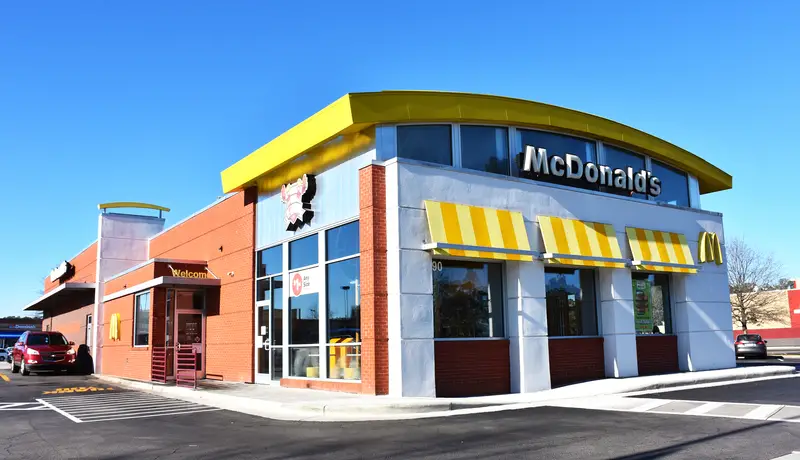
McDonald’s is facing a week-long boycott that started June 24, and it’s not about the food. A grassroots group called The People’s Union USA is asking people to skip the Golden Arches for seven days straight. The reason? They say the fast-food giant has rolled back its diversity programs, raised prices while keeping wages low, and puts profits over people. This comes at a rough time for McDonald’s, which already reported its worst U.S. sales drop since 2020. The company stopped setting diversity goals for its leadership back in January, and now customers are responding with their wallets.
What The People’s Union wants from McDonald’s
The People’s Union USA, led by founder John Schwarz, launched what they call “economic blackouts” to push back against companies they believe aren’t living up to their promises. The McDonald’s boycott runs from June 24 to June 30, and they’re asking everyone to avoid buying anything from the chain during that week. The group posted on Instagram that this action is about showing strength and making companies listen when regular people speak up together. They want McDonald’s to feel the impact of customers who are tired of what they see as empty promises.
Schwarz told reporters that McDonald’s has shown time and again that profit matters more than people. The group isn’t just mad about one thing. They’ve listed several complaints including tax practices, price increases while wages stay flat, pushing back against worker unions, and what they call fake diversity efforts that look good in ads but don’t change anything real. It’s a long list of problems they say McDonald’s needs to fix before they’ll come back.
How McDonald’s changed its diversity programs this year
Back in January, McDonald’s made some big changes to how it handles diversity in the company. They stopped setting specific goals for increasing the number of diverse people in top leadership positions. They also ended a program that helped minority-owned businesses become suppliers for the company. These changes happened after President Donald Trump returned to office and started issuing orders to eliminate what he called “illegal DEI” in federal agencies. A lot of big companies started backing away from their diversity commitments around the same time.
McDonald’s U.S. chief people officer, Jordann Nunn, spoke at a conference in June and said the company updated its language around diversity but insisted none of the actual programs changed. That explanation didn’t satisfy critics who say the company is backing down from important commitments. McDonald’s didn’t respond when reporters asked for comments about the boycott. The silence has only made people more frustrated, especially those who feel like the company is trying to have it both ways without taking a real stand.
Why companies are pulling back on diversity efforts
McDonald’s isn’t alone in changing how it talks about diversity. Lots of major companies have been scaling back or rewording their diversity programs since early 2025. The shift came after political pressure increased and some conservative groups started organizing boycotts against companies with strong diversity initiatives. Target and Bud Light both faced backlash from one side, and now companies that pull back are getting hit from the other direction. It’s like companies can’t win no matter what they do.
The thing is, both sides are now using the same tactic: boycotts. Conservative activists proved that organized campaigns could hurt sales, so now groups supporting diversity are doing the exact same thing. Black churches, civil rights organizations, and grassroots groups like The People’s Union are saying if companies retreat from diversity commitments, they’ll feel it in their bank accounts. Companies are caught in the middle, facing pressure from customers with completely opposite views about what they should be doing.
McDonald’s was already struggling with sales problems
Even before this boycott started, McDonald’s was having a rough year. The company reported the biggest drop in U.S. sales since the pandemic lockdowns of 2020. CEO Chris Kempczinski said in April that customers were dealing with uncertainty and being really careful about where they spend money. The company started pushing value deals and special promotions to try to bring people back. When you’re already fighting to keep customers coming through your doors, the last thing you need is a organized boycott on top of everything else.
The timing couldn’t be worse for McDonald’s. People are already cutting back on eating out because everything costs so much more than it used to. Then add a boycott that’s specifically calling out the company for raising prices while keeping worker pay low, and you’ve got a real problem. The People’s Union picked McDonald’s partly because they say the chain has been engaging in price gouging while wages haven’t kept up. When people already think your food costs too much, asking them to boycott isn’t a hard sell.
Other companies dealing with similar boycotts right now
McDonald’s isn’t the only target on The People’s Union’s list. They’ve got a whole summer of boycotts planned. In July, they’re asking people to skip all public firework displays on the Fourth of July, then boycott Starbucks, Amazon, and Home Depot for the entire month. Come August, they want people to avoid Walmart, McDonald’s again, and Lowe’s. That’s a lot of major retailers and chains they’re going after, which shows how serious they are about making companies change their ways.
Target has already felt the impact of ongoing boycotts linked to its diversity policies. The company said boycotts contributed to less customer spending in the first quarter of this year. Foot traffic to Target stores dropped for four months in a row, according to data from a company that tracks store visits. When you look at these numbers, it’s clear that boycotts aren’t just noise on social media anymore. They’re actually affecting how much money these companies make, which is exactly what the organizers want.
What workers rights have to do with this boycott
The People’s Union isn’t just focused on diversity programs. They’re also calling out McDonald’s for how it treats workers and handles unions. The group says McDonald’s suppresses workers’ rights and fights against union organizing efforts. Fast food workers have been trying to organize and push for better pay and working conditions for years, but companies like McDonald’s have a reputation for making that really difficult. When employees try to band together, they often face resistance from management.
The wage issue hits home for a lot of people. McDonald’s employs hundreds of thousands of workers, many of whom are paid hourly wages that haven’t grown nearly as fast as the prices customers pay at the counter. The group behind the boycott points out that while McDonald’s keeps raising menu prices, the people making and serving the food aren’t seeing their paychecks go up at the same rate. That disconnect makes people angry, especially when they see the company reporting billions in revenue while workers struggle to pay rent.
The tax and pricing complaints people have
Tax practices might sound boring, but The People’s Union made it part of their case against McDonald’s. They accuse the company of exploiting tax loopholes and not paying their fair share. Big corporations often use legal strategies to lower their tax bills, which is totally legal but makes people mad when they’re paying full price on their own taxes. When you combine that with complaints about price gouging, you get a picture of a company that’s squeezing every dollar it can from customers and the system.
The price increases at McDonald’s have been noticeable. What used to be the go-to cheap option for a quick meal isn’t nearly as affordable as it once was. People who remember getting a whole meal for a few bucks now pay way more for the same thing. The company says it had to raise prices because their costs went up too, but customers don’t always buy that explanation. When you’re already frustrated about paying more for everything from groceries to gas, seeing your dollar menu turn into a several-dollar menu doesn’t sit right.
Whether boycotts actually work against big companies
The big question everyone asks is whether these boycotts actually make a difference. It’s hard to say for sure because companies don’t always admit when boycotts hurt them. Target acknowledged that boycotts affected their sales, which is rare for a company to say out loud. Usually, businesses blame sales drops on other things like the economy or changing shopping habits. But when foot traffic and sales both drop right when a boycott is happening, it’s tough to pretend there’s no connection.
The truth is that even a small dent in sales can matter to companies that operate on tight margins. Fast food restaurants especially depend on high volume and lots of customers coming through every day. If even a fraction of regular customers decide to skip McDonald’s for a week, that adds up to real money. And beyond the immediate financial impact, boycotts create bad publicity and make other customers think twice. Nobody wants to be associated with a company that’s under fire, even if they don’t personally care about the issues behind the boycott.
How this fits into bigger arguments about corporate responsibility
This McDonald’s boycott is really part of a much bigger conversation about what companies owe to society beyond just making money. Some people think businesses should focus only on profits and let government handle social issues. Others believe big companies have a responsibility to treat workers fairly, support diverse communities, and contribute to making things better for everyone. The McDonald’s situation shows how heated these disagreements have become, with both sides using economic pressure to push companies in opposite directions.
What makes this moment different is that both sides have figured out that boycotts can work. It used to be mainly one tactic or the other, but now everyone’s doing it. Companies are stuck trying to figure out which group of customers they’ll make more angry. Do they stick with diversity programs and risk boycotts from conservative customers? Or do they pull back and face boycotts from people who support those programs? There’s no easy answer, and McDonald’s is learning that the hard way right now.
McDonald’s finds itself at the center of competing pressures that aren’t going away anytime soon. Whether this particular boycott changes anything at the company remains to be seen, but it’s clear that customers on all sides are done just complaining online. They’re putting their money where their mouth is, and companies are going to have to figure out how to respond. For now, McDonald’s is staying quiet while the boycott plays out.
