

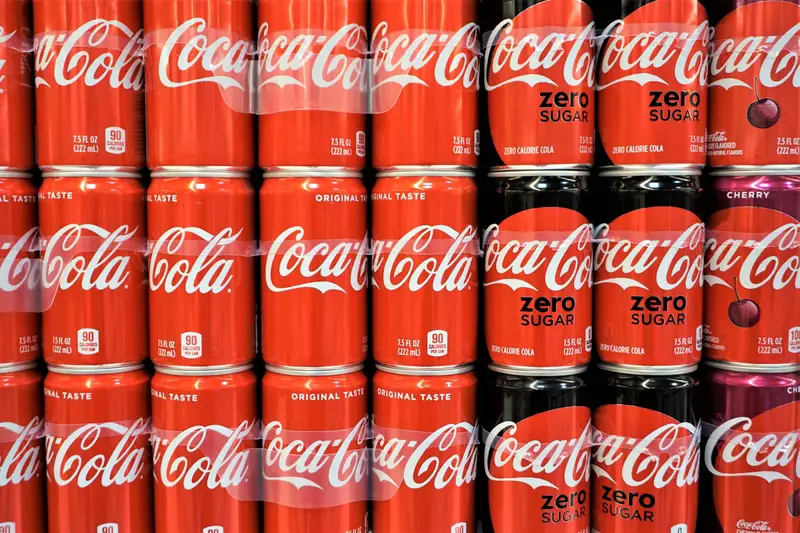
That silver can sitting in your fridge might not be the diet hero it seems to be. Diet Coke has become America’s go-to guilt-free drink, promising all the fizzy satisfaction without any calories. But recent research suggests this zero-calorie promise comes with unexpected consequences that might make you question whether that daily Diet Coke habit is actually working against your goals.
Your brain gets confused by artificial sweeteners
When you take a sip of Diet Coke, your brain expects calories to follow that sweet sensation. That’s how humans are programmed—sweetness signals energy is coming. But when those calories never arrive, your brain starts to doubt the connection between sweet things and actual energy. This confusion doesn’t just go away quietly.
The artificial sweeteners trigger the same reward centers in your brain as regular sugar, making you crave more sweet, high-calorie foods later. It’s like your brain is demanding payment for the sweetness it detected but never received. This might explain why some people who drink Diet Coke regularly still struggle with weight management despite cutting out hundreds of calories from regular soda.
Diet Coke disrupts your gut bacteria balance
Your stomach houses trillions of bacteria that help digest food, create vitamins, and keep your immune system functioning properly. These microscopic residents, known as your gut microbiome, influence everything from digestion to mood. When Diet Coke’s artificial sweeteners pass through to your gut, they can change the types and amounts of bacteria living there.
Research suggests these changes aren’t beneficial and might make it harder for your body to process sugar properly. The disruption can affect how you absorb nutrients and store fat, potentially leading to insulin resistance. This means your body becomes less effective at handling sugar, which can result in higher blood sugar levels and possible weight gain—even from moderate consumption.
Regular consumption might affect your heart
Many people assume heart problems only come from fatty foods or excessive salt, but that daily Diet Coke habit might be putting unexpected strain on your cardiovascular system. Several large-scale studies have found connections between regular diet soda consumption and increased risk of heart-related issues. One study tracking thousands of people discovered that those drinking just one diet soda daily had higher risks of heart attacks and strokes.
The connection between artificial sweeteners and heart problems isn’t completely understood, but researchers have theories. Some suggest these sweeteners might affect blood vessel function or increase inflammation. Regular diet soda consumption has also been linked to irregular heartbeat and high blood pressure, both significant risk factors for more serious cardiovascular problems.
Diet Coke might trigger more eating later
Ever notice how Diet Coke doesn’t really satisfy your hunger? When you consume something sweet, your body prepares by releasing insulin to process the expected calories. But Diet Coke delivers sweetness without calories, which can throw off this natural system. Your body releases insulin anyway, then there’s no sugar to process, potentially leading to a blood sugar drop that makes you crave food.
This effect can change your eating patterns throughout the day. Research shows people who drink diet sodas often consume more calories from other sources compared to those who don’t drink them. It’s as if the artificial sweeteners set you up to eat more later. Studies have found that regular diet soda drinkers tend to eat more sweets and high-calorie snacks, which might explain why diet sodas haven’t been the weight-loss solution many hoped for.
Your teeth still take a beating from the acid
Many people think Diet Coke is safer for teeth because it lacks sugar, which causes cavities. While that’s partially true, Diet Coke can still damage teeth through its high acidity. With a pH level around 3.2, Diet Coke is highly acidic—for comparison, stomach acid sits at about 2, while neutral water is 7. This acidity can wear away tooth enamel over time.
The phosphoric acid in Diet Coke softens tooth enamel with each sip. If you’re sipping throughout the day, your teeth get repeatedly bathed in acid with little recovery time. Even without sugar-related cavities, enamel erosion makes teeth more sensitive and vulnerable to various problems. Dentists report they can often identify heavy diet soda drinkers just by examining their teeth, noting damage similar to acid reflux sufferers.
Diet Coke packs more caffeine than regular Coke
If Diet Coke seems to give you more of a buzz than regular Coca-Cola, you’re not imagining things. Diet Coke actually contains more caffeine—about 46 mg per 12 oz can compared to 34 mg in regular Coke. While this difference might seem small, it adds up quickly if you’re drinking multiple cans daily, potentially affecting your sleep and anxiety levels more than expected.
This higher caffeine content might explain why some people feel more attached to Diet Coke than regular soda. Caffeine is mildly addictive, and withdrawal symptoms like headaches, fatigue, and irritability can make cutting back difficult. The extra caffeine can also trigger headaches in sensitive individuals, especially those prone to migraines. If you’ve noticed sleep troubles or headaches but haven’t connected them to your Diet Coke habit, this might be worth considering.
Diet soda might increase belly fat despite zero calories
When people switch to Diet Coke, they’re usually hoping to reduce calories and lose weight, particularly around the midsection. But research suggests diet soda might have the opposite effect on belly fat. A study following adults for nearly 10 years found that regular diet soda drinkers had a 70% greater increase in waist size compared to non-drinkers.
For those drinking two or more diet sodas daily, waist size increased five times more than non-drinkers. This connection seems puzzling—how can a zero-calorie drink lead to fat gain? Researchers believe artificial sweeteners might affect metabolism and insulin sensitivity. When consumed regularly, these sweeteners may make your body less efficient at processing sugar, leading to higher insulin levels that promote fat storage, particularly around the midsection.
Your bones might weaken from regular diet soda consumption
You’ve probably heard that soda isn’t great for bones, often blamed on phosphoric acid in cola drinks affecting calcium balance. But research suggests diet sodas might impact bone strength differently than regular sodas, and not in a positive way. Some studies have found connections between regular diet soda consumption and lower bone mineral density, particularly in women.
Lower bone density means weaker bones and higher fracture risk as you age. This effect seems strongest for diet cola drinks specifically. The caffeine in Diet Coke might interfere with calcium absorption, or frequent drinkers might consume less milk and other calcium-rich beverages. The phosphoric acid in cola drinks might also gradually leach calcium from bones over time. Whatever the mechanism, this connection is concerning, especially for women who already face higher osteoporosis risks with aging.
Next time you reach for that silver can, remember that zero calories doesn’t mean zero effects on your body. From confusing hunger signals to potentially increasing belly fat, artificial sweeteners can impact your body in surprising ways. While an occasional Diet Coke probably won’t cause major problems, making it your daily go-to drink might not be supporting your goals as much as you think.
