

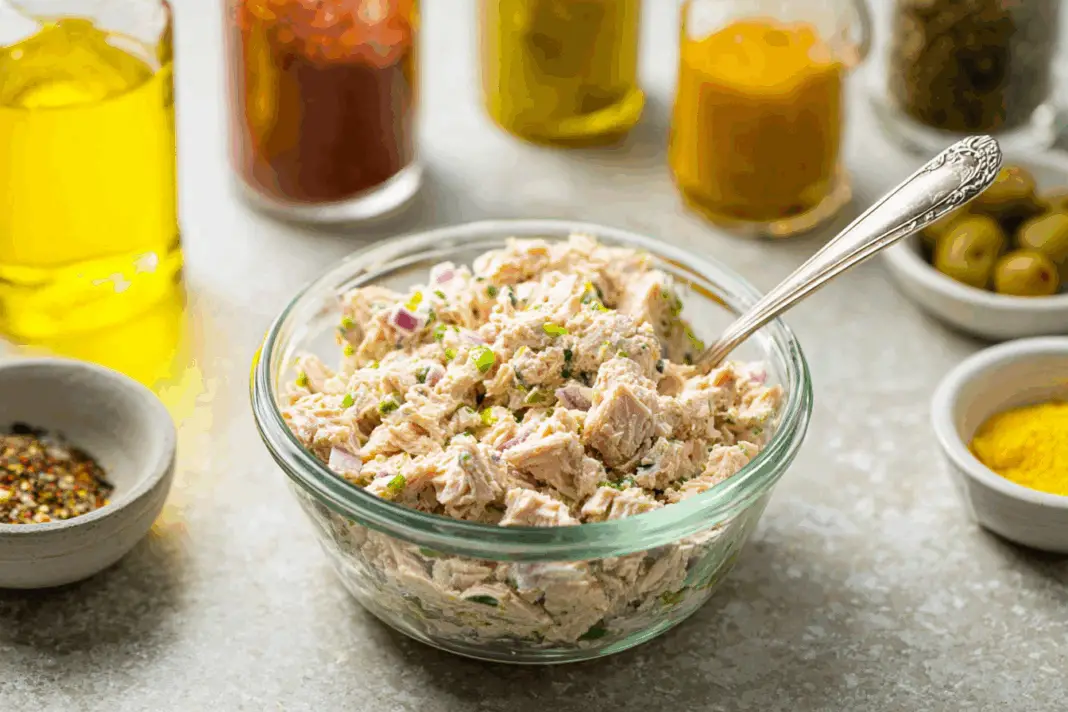
Making tuna salad seems simple enough—open a can, add some mayo, maybe chop up some celery, and you’re done. But walk down the condiment aisle at the grocery store and suddenly you’re staring at dozens of bottles, wondering what might make your lunch a little more interesting. The problem is that not every sauce or spread belongs anywhere near your tuna. Some condiments can turn a perfectly good tuna salad into a soggy, overly sweet, or just plain weird mess that you’ll end up scraping into the trash. Before you start experimenting with that random bottle in your fridge, here are the condiments that have no business being in your tuna salad.
Ketchup makes everything too sweet and watery
Nobody’s sitting around thinking about putting ketchup in tuna salad, but apparently some people have tried it. The biggest problem is that ketchup is loaded with sugar—sometimes high-fructose corn syrup depending on the brand. That sweetness completely clashes with the mild, savory taste of tuna. Plus, ketchup is more watery than mayo, so instead of getting that thick, creamy consistency you want, you end up with something runny and sad-looking on your bread.
Sure, tomatoes and fish can work together in certain dishes, but ketchup isn’t fresh tomatoes. It’s a processed condiment designed to go on burgers and fries, where its sweetness and tang make sense. In tuna salad, it just overpowers everything else and makes the whole thing taste like you’re eating something meant for a kid’s meal. If you want some acidity or brightness, stick with lemon juice, vinegar, or even fresh tomato slices added right before eating so they don’t make everything soggy.
Low-quality mayo ruins the whole dish
Mayo is basically the foundation of tuna salad, so using a cheap, low-quality mayonnaise is like building a house on sand. Real mayonnaise needs to contain at least 65% vegetable oil according to FDA standards, along with eggs and vinegar. Those three ingredients give mayo its smooth, rich texture and slightly tangy taste. Cheaper versions mess with these proportions or add a bunch of fillers and preservatives that throw off both the taste and consistency.
Take Miracle Whip, for example—it’s not even legally considered real mayonnaise because it has less oil. Instead, it’s got water and extra sugar, which means your tuna salad ends up runnier and sweeter than it should be. Even some mainstream brands sneak in preservatives like calcium disodium EDTA that can give the mayo an off taste. If you want to upgrade your tuna salad game, look for organic mayo or try Japanese Kewpie mayo, which uses only egg yolks for an extra-creamy texture and adds a nice hit of umami from MSG.
Pickle relish turns everything mushy
Pickle relish shows up in a lot of old-school tuna salad recipes, and while it’s not the worst thing you could add, there’s a much better option sitting right next to it in the refrigerator. The main issue with relish is that it’s already chopped into tiny, mushy pieces. Tuna salad already has a soft, creamy texture from the mayo and flaked fish, so adding more mush just makes the whole thing feel like baby food. What you really need is some crunch to break up all that softness.
Fresh sliced pickles give you everything relish does—saltiness, tanginess, a little sweetness—but with actual texture that makes each bite more interesting. Plus, relish is surprisingly high in sodium, with popular brands packing 75 milligrams per tablespoon. The sweet relish versions are even worse, adding 3 grams of sugar on top of all that salt. Since tuna salad already tends to be on the heavier side with mayo and sometimes eggs, you’re better off using fresh pickles where you can control exactly how much you’re adding and get a satisfying crunch with every bite.
Celery salt is a poor substitute for the real thing
Celery salt might seem like a convenient shortcut when you don’t have fresh celery on hand, but it completely misses the point of why celery belongs in tuna salad in the first place. Sure, it gives you that mild, grassy celery taste mixed with salt, but what about the texture? Tuna salad desperately needs some crunch to keep it from feeling like you’re eating paste, and celery salt obviously can’t deliver on that front.
Fresh, diced celery adds a juicy, crisp bite that makes tuna salad actually enjoyable to eat instead of just tolerable. It also looks better—those little green pieces break up all the beige and tan colors that make plain tuna salad look pretty boring. Another problem with celery salt is that it’s really easy to accidentally add too much and end up with an inedibly salty sandwich. A few stalks of fresh celery give you better control over both the salt level and the overall taste, and if you need more salt, you can always add a pinch at the end instead of trying to fix an over-salted disaster.
Olive oil makes things greasy and bitter
Some people try to add olive oil to tuna salad thinking it’s a healthier choice or maybe a more sophisticated ingredient, but it really doesn’t work. First off, if you’re already using tuna packed in oil (which you should be for the most moist and flavorful results), you don’t need any extra oil. Most grocery store mayos use neutral oils like canola or safflower that have been refined to have almost no taste. These oils let the other ingredients shine through without adding any competing notes.
Extra virgin olive oil has a strong, pungent taste that’s great for salad dressings and dipping bread, but it sticks out like a sore thumb in tuna salad. Even worse, when olive oil gets emulsified into sauces, it tends to bring out the bitter compounds from the olives themselves. So instead of adding richness, it just makes your tuna salad taste bitter and off. And if you pour olive oil over already-made tuna salad with mayo, you’re just making everything unnecessarily oily and greasy without improving the taste one bit.
Barbecue sauce completely overpowers the tuna
Barbecue sauce belongs on ribs, pulled pork, and maybe chicken if you’re into that sort of thing. It has absolutely no business anywhere near a can of tuna. BBQ sauce is designed for big, bold cuts of meat that can stand up to its intense sweetness and smokiness. Tuna is mild and delicate in comparison, so when you mix it with barbecue sauce, you basically can’t taste the fish anymore—you’re just eating barbecue-flavored mayo.
Different brands of barbecue sauce have different strengths, but they all share one problem when it comes to tuna salad: they’re too much. Whether you’re dealing with a super-sweet variety loaded with molasses and brown sugar or a tangy vinegar-based sauce, neither one complements the subtle taste of tuna. The sauce takes over completely, and you might as well have just made a different kind of salad entirely. If you want something with a little kick or smokiness, try a tiny dash of smoked paprika or a squeeze of lemon instead of drowning your tuna in sauce meant for a cookout.
Honey mustard adds unnecessary sweetness
Regular yellow mustard can be great in tuna salad because it adds a bright, sharp acidity that cuts through the richness of the mayo. Honey mustard seems like a close relative, so why not use it? The problem is that extra honey, which completely changes the balance of sweet and tangy. Tuna salad shouldn’t be sweet—it should be savory with just a touch of brightness from lemon juice or vinegar and maybe a tiny bit of natural sweetness from ingredients like celery or onion.
When you add honey mustard, that extra sugar clashes with savory ingredients like raw onion and makes the whole thing taste confused. It’s missing the clean, sharp acidity that plain mustard brings, which is exactly what you need to balance out the fatty mayo and oily tuna. Honey mustard has its place—it’s great on sandwiches with turkey or ham, where the sweetness complements the meat. But in tuna salad, it just doesn’t work. Stick with regular yellow mustard or a squeeze of fresh lemon for the brightness you’re looking for without the unwanted sweetness.
Dijon mustard is too complex for simple tuna
Dijon mustard is fancier than regular yellow mustard, so it must be better for tuna salad, right? Not exactly. While Dijon is delicious in salad dressings, marinades, and on fancy sandwiches, it brings too much complexity to something as straightforward as tuna salad. Dijon has a rich, almost fruity quality with wine undertones that make it taste sophisticated. That sophistication is the problem—tuna salad is supposed to be simple comfort food, not a gourmet experience.
What tuna salad really needs is bright, uncomplicated acidity to cut through the richness of the mayo and bring out the mild taste of the fish. Regular yellow mustard does this perfectly without adding any competing notes. Dijon, on the other hand, has so much going on that it ends up clashing with the other ingredients instead of bringing them together. You’ll find yourself wondering what that weird taste is instead of enjoying your lunch. Save the Dijon for your next vinaigrette or for spreading on a roast beef sandwich, and keep your tuna salad simple with plain mustard or just a squeeze of lemon juice.
Ranch dressing makes everything taste like ranch
Ranch dressing is wildly popular on everything from pizza to vegetables to chicken wings, so someone out there has probably tried putting it in tuna salad. The problem is that ranch has such a distinctive taste—that combination of buttermilk, herbs, garlic, and onion powder—that it completely takes over whatever you add it to. When you eat ranch-flavored tuna salad, all you taste is ranch. The tuna becomes just a texture carrier for ranch dressing, which kind of defeats the whole purpose.
Mayo is the perfect binder for tuna salad because it’s rich and creamy but relatively neutral, letting you taste the fish along with whatever other ingredients you add like celery, onion, or pickles. Ranch is the opposite—it’s aggressively seasoned and meant to be the star of whatever it touches. If you’re craving those herb and garlic notes that ranch provides, you’re much better off adding fresh herbs like dill or parsley to your tuna salad along with a little minced fresh garlic. That way you get the fresh, bright taste you want without turning your tuna salad into ranch dip.
Tuna salad is one of those dishes that seems impossible to mess up, but the wrong condiment can definitely ruin a good thing. Stick with quality mayo as your base, add some crunch with fresh vegetables like celery or pickles, and keep the seasonings simple with salt, pepper, lemon juice, and maybe a touch of regular mustard. When you’re tempted to get creative with whatever’s in your fridge, remember that sometimes the simplest version really is the best. Your sandwiches will thank you.
