

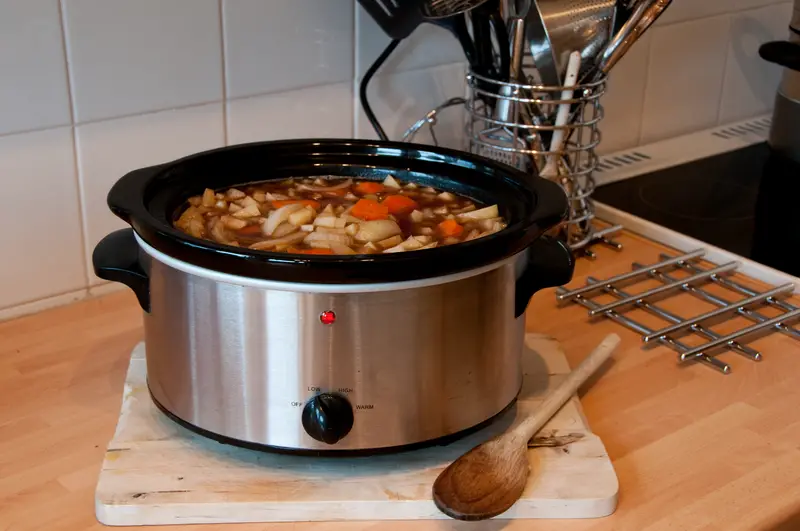
That magical kitchen appliance sitting on your counter promises effortless, delicious meals with minimal effort. Just throw everything in, set it, and forget it, right? Wrong! Most people unknowingly sabotage their slow cooker meals with simple mistakes that turn what should be tender, flavorful dishes into watery, bland disappointments. These common errors happen more often than you’d think, and they’re probably happening in your kitchen too.
Adding frozen ingredients straight from the freezer
That frozen chicken breast or bag of mixed vegetables seems like a perfect dump-and-go solution for busy weeknights. Unfortunately, frozen ingredients create a dangerous temperature zone where harmful bacteria can multiply rapidly. The slow cooker takes too long to heat frozen foods to a safe cooking temperature, leaving them in what food safety experts call the danger zone for extended periods.
Instead of risking foodborne illness, thaw ingredients properly in the refrigerator overnight or use the microwave’s defrost setting. Cold water thawing also works well for last-minute meal prep. Food safety experts recommend avoiding frozen ingredients entirely unless the recipe specifically calls for them. Your patience will pay off with evenly cooked, safe meals that actually taste good.
Overfilling the slow cooker past the recommended line
It’s tempting to maximize your slow cooker’s capacity, especially when cooking for a crowd or meal prepping for the week. However, cramming too much food into the pot prevents proper heat circulation and steam buildup. This leads to uneven cooking where some portions remain undercooked while others turn to mush. Plus, overfilled slow cookers often bubble over, creating a sticky mess on your countertop.
The sweet spot for most recipes is filling your slow cooker between half and three-quarters full. This allows room for ingredients to expand and liquid to accumulate during cooking. Professional chefs recommend placing denser vegetables like carrots and potatoes at the bottom since they take longer to cook than meat. This simple arrangement ensures everything finishes at the same time.
Using the slow cooker to reheat leftovers
Your slow cooker excels at cooking raw ingredients slowly and safely, but it’s terrible for reheating already-cooked food. The gentle heating process that makes raw meat tender creates the perfect environment for bacteria to thrive in cooked leftovers. Unlike cooking from scratch, reheating doesn’t maintain the time-temperature relationship needed to kill harmful microorganisms that may have developed during storage.
Save your slow cooker for cooking fresh ingredients and use faster reheating methods for leftovers. The microwave, stovetop, or oven will quickly bring food to the safe internal temperature of 165°F. Food safety guidelines recommend reheating leftovers within an hour, something your slow cooker simply can’t accomplish. Your slow cooker can keep hot, freshly cooked food warm for serving, but never use it as a reheating device.
Lifting the lid repeatedly to check progress
Curiosity kills more than cats – it also kills slow cooker meals! Every time you lift that lid, you release the carefully built-up steam and heat that makes slow cooking work. The temperature drops significantly, and it takes about 30 minutes for the cooker to regain its optimal cooking environment. Those quick peeks add hours to your cooking time and can leave you with unevenly cooked food.
Resist the urge to check on your meal until the recommended cooking time is nearly complete. Modern slow cookers maintain consistent temperatures without your supervision, so trust the process. Cooking experts suggest only lifting the lid during the final 30 minutes if you need to add quick-cooking vegetables like peas or mushrooms. Think of your slow cooker lid like an oven door – the less you open it, the better your results.
Adding delicate vegetables at the wrong time
Not all vegetables are created equal when it comes to slow cooking. Delicate items like zucchini, spinach, peas, and mushrooms turn into unappetizing mush when subjected to hours of moist heat. Meanwhile, heartier vegetables like carrots, potatoes, and onions can handle the long cooking process and actually benefit from it. Timing is everything when building a successful slow cooker meal with varied ingredients.
Add sturdy root vegetables at the beginning, placing them at the bottom where they’ll cook most thoroughly. Save tender vegetables for the final 20-30 minutes of cooking to preserve their texture and bright color. Chef instructors recommend cutting hardy vegetables into large pieces to help them maintain their shape throughout the long cooking process. This staged approach ensures every component of your meal reaches the perfect doneness.
Skipping the meat browning step entirely
Many people assume slow cooking eliminates the need for any stovetop preparation, but browning meat before adding it to the slow cooker makes a dramatic difference in the final dish. This quick searing step creates complex, caramelized notes through the Maillard reaction that can’t be achieved through slow, moist cooking alone. Skip this step, and your meat will taste flat and one-dimensional.
Take five extra minutes to brown meat in a hot skillet before transferring it to your slow cooker. The caramelization also helps meat hold together better during the long cooking process, preventing it from falling apart completely. Recipe developers particularly recommend this technique for beef and pork, which benefit most from the added depth of taste. Even browning onions and peppers briefly before slow cooking creates a richer, more complex base for your meal.
Using too much liquid in soups and stews
Your favorite stovetop soup recipe probably won’t translate directly to the slow cooker without some adjustments. Unlike stovetop cooking, where liquids evaporate and concentrate during simmering, slow cookers trap steam and moisture. This means ingredients release their natural juices while very little liquid escapes, often resulting in a watery, diluted final product that lacks the rich, concentrated taste you’re expecting.
Start by reducing liquid amounts by 10-20% when adapting stovetop recipes for slow cooking. Most slow cooker recipes need only ½ to 1 cup of added liquid since vegetables and meat release plenty of moisture during cooking. Professional cooking teachers suggest thickening watery results by mixing cornstarch with cold water and stirring it in during the final 15 minutes of cooking. You can also remove solids and reduce the liquid on the stovetop if needed.
Adding fresh herbs at the beginning of cooking
Fresh herbs lose their potency and bright taste when subjected to hours of slow cooking. Delicate herbs like basil, cilantro, and parsley become bitter and dull when overcooked, contributing little to your finished dish except an unappealing muddy color. What should be a bright, fresh accent becomes a disappointing afterthought that detracts from your meal’s overall appeal.
Reserve fresh herbs for the final few minutes of cooking or use them as a garnish after serving. Dried herbs, however, can withstand long cooking times and actually improve as they rehydrate and release their concentrated oils. Culinary experts recommend adding dried herbs at the beginning of cooking and finishing with fresh herbs for the best of both worlds. This technique provides deep, developed base notes with bright, fresh top notes that make your slow cooker meals restaurant-worthy.
Choosing the wrong cuts of meat for slow cooking
Expensive, tender cuts like filet mignon or boneless chicken breasts are wasted in a slow cooker. These premium cuts are already tender and don’t benefit from long, slow cooking – in fact, they often become dry and stringy. Slow cookers work best with tougher, more affordable cuts that have plenty of connective tissue and fat to break down during the extended cooking process.
Chuck roast, pork shoulder, and chicken thighs are ideal slow cooker candidates because their tough fibers and fat content transform into melt-in-your-mouth tenderness after hours of gentle heat. Cooking specialists recommend saving expensive cuts for quick cooking methods like grilling or pan-searing, where their natural tenderness shines. Your wallet and your taste buds will thank you for choosing the right cut for the right cooking method.
These common mistakes transform what should be foolproof cooking into frustrating failures, but they’re all easily avoidable with a little knowledge and patience. Your slow cooker can be your best kitchen ally when used properly, delivering consistently delicious meals that actually taste better than their stovetop counterparts. Remember these tips, and you’ll never have to suffer through another bland, watery slow cooker disaster again.
