

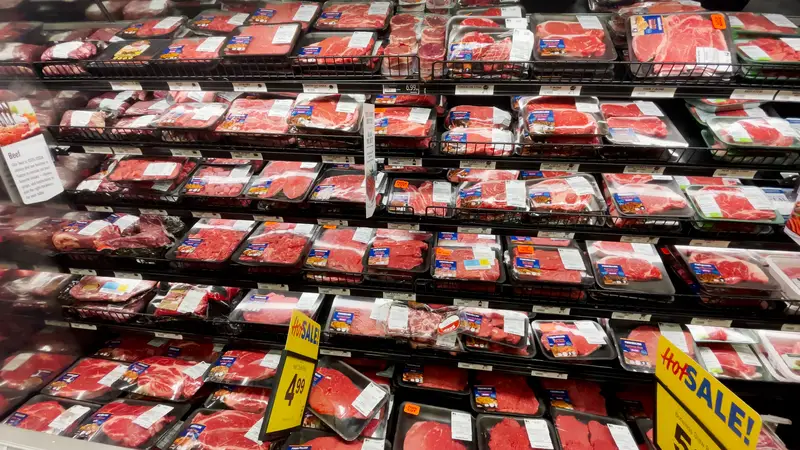
Walk into any grocery store and most people head straight for the same tired cuts of beef: ribeye, sirloin, maybe a T-bone if they’re feeling fancy. But here’s the thing most folks don’t know: butchers are shaking their heads watching shoppers pass by some of the best cuts available. These lesser-known pieces of meat often cost less, taste incredible, and cook up beautifully. The problem is that most people stick to what they know, missing out on seriously good beef that’s been hiding in plain sight all along.
Denver steak deserves way more attention than it gets
The Denver steak comes from the chuck area, which most people associate with tough pot roast meat. That’s exactly why it gets overlooked. But this cut is actually tender, well-marbled, and full of beefy taste that rivals much pricier options. It’s been separated from the tougher surrounding muscle, leaving behind a cut that’s perfect for grilling or pan-searing. When cooked right, it delivers that satisfying chew without being tough, and the marbling throughout keeps every bite moist and interesting. Most grocery stores carry it now, usually at a price point that makes ribeyes look overpriced.
What makes Denver steak really special is how forgiving it is when cooking. Unlike expensive cuts that turn into shoe leather if overcooked by a minute, Denver steak maintains decent texture even if things don’t go perfectly. Season it simply with salt and pepper, cook it to medium-rare or medium, and let it rest before slicing against the grain. The result is a steak dinner that tastes like something from a steakhouse but costs about half as much. Butchers frequently mention this as one of the cuts shoppers are missing out on, and once people try it, they usually keep coming back for more.
Petite shoulder tender flies under everyone’s radar
This cut goes by several names, which probably contributes to the confusion: petite shoulder tender, teres major, or sometimes shoulder tender medallions. Whatever the label says, it’s a small, cylindrical muscle from the shoulder that’s surprisingly tender for coming from a working part of the cow. Each animal only produces two of these cuts, and they’re usually around eight to twelve ounces each. The texture is similar to pork tenderloin but with all the rich taste of beef. It’s lean but not dry, and it cooks quickly, making it perfect for weeknight dinners when there’s no time for slow roasting or braising.
Because it’s smaller and less known, petite shoulder tender often costs significantly less than tenderloin while delivering a similar eating experience. It works great marinated or simply seasoned, and it’s fantastic sliced thin for steak sandwiches or fajitas. The key is not overcooking it since there’s less fat to keep it moist. Aim for medium-rare to medium, and this overlooked cut will surprise anyone who thinks cheap beef can’t taste good. It’s becoming easier to find as more butchers realize customers want value cuts that don’t sacrifice quality, but many shoppers still walk right past it without a second glance.
Bavette steak is what the French have been enjoying
Americans call it sirloin flap, but the French name bavette sounds much fancier and better represents how good this cut actually is. It comes from the bottom sirloin near the flank, and like many overlooked cuts, it suffers from location bias. People assume anything from this area will be tough, but bavette is actually loose-textured and absorbs marinades beautifully. It has a pronounced grain running through it, which means slicing technique matters, but that’s an easy fix. The beef taste is intense and mineral-rich, the kind that reminds you you’re eating quality meat rather than something bland and boring.
Bavette shines when marinated for a few hours or even overnight, then cooked hot and fast over high heat. It’s excellent for stir-fries, tacos, salads, or just sliced and served with chimichurri. The price is usually reasonable compared to strip steaks or ribeyes, making it a smart choice for feeding a crowd without emptying the wallet. After cooking, always slice it thin against the grain to maximize tenderness. This isn’t a cut to serve as a thick steakhouse portion, but when prepared correctly, it delivers more satisfaction than many premium options. French bistros have featured bavette for generations, and it’s about time American home cooks caught on to what they’ve been missing all along.
Tri-tip remains a West Coast secret somehow
In California, tri-tip is practically a religion, showing up at backyard barbecues and family gatherings constantly. But travel east of the Rockies and suddenly this triangular cut from the bottom sirloin becomes nearly impossible to find. It’s a strange regional divide considering how good tri-tip is when properly prepared. The cut weighs around two to three pounds, has a fat cap on one side, and features a distinctive triangular shape that makes it instantly recognizable. It’s lean but not excessively so, with enough marbling to stay moist during cooking and enough beefy character to stand up to bold seasonings and smoke.
The traditional Santa Maria style calls for simple seasoning with salt, pepper, and garlic, then slow-grilling over red oak wood. But tri-tip also works great roasted in the oven or cooked sous vide then finished with a hard sear. The grain changes direction in the middle of the cut, so slicing technique requires paying attention, but that’s a minor consideration for such a versatile piece of beef. It feeds a crowd without costing a fortune, and leftovers make incredible sandwiches the next day. More grocery stores outside California are starting to carry tri-tip now, though sometimes it’s labeled as triangle roast or bottom sirloin roast. Whatever the name, it’s definitely worth trying instead of defaulting to the same cuts week after week.
Hanger steak used to be the butcher’s secret
There’s a reason this cut earned the nickname butcher’s steak: professionals used to keep it for themselves rather than putting it in the display case. Each cow only has one hanger steak, a strip of meat that literally hangs between the rib and the loin, supporting the diaphragm. It has an incredibly intense, almost liver-like mineral taste that some people find too strong, but fans absolutely love that pronounced beef character. The texture is tender but with a bit of chew, and the loose grain structure means it takes to marinades exceptionally well. It’s not a beginner’s cut because of that strong taste, but for anyone who finds filet mignon boring, hanger steak delivers excitement.
Finding hanger steak in regular grocery stores can be challenging since there’s only one per animal and they’re relatively small at around one to one and a half pounds. Many butchers still reserve them for special customers or use them in prepared dishes. When found, the price is usually moderate, though it’s crept up as food writers and chefs have talked about it more. The center membrane needs to be removed before cooking, which some butchers do and others don’t, so check before buying. Cook it hot and fast to medium-rare, slice thin against the grain, and prepare for serious beef taste that makes most steakhouse cuts seem mild by comparison. It’s notoriously difficult to find in regular stores, but specialty butcher shops usually carry it or can order it.
Flat iron steak offers tenderloin texture without the price
The flat iron comes from the shoulder, specifically the top blade muscle after the tough connective tissue running through the middle has been removed. What remains is an incredibly tender piece of meat that ranks as the second most tender cut on the entire cow, right after tenderloin. But unlike tenderloin, which commands premium prices and often tastes bland, flat iron costs significantly less and brings actual beef character to the table. It’s well-marbled, cooks evenly, and stays tender even when cooked to medium instead of the strict medium-rare most steaks demand. This makes it more forgiving for home cooks who don’t have restaurant timing down perfectly.
Flat iron works great cut into strips for stir-fries, cubed for kebabs, or cooked whole and sliced for serving. It’s one of those cuts that’s hard to mess up, which probably explains why it’s gaining popularity even though many shoppers still don’t know about it. The grain runs lengthwise, so remember to slice against it for maximum tenderness. Most grocery stores now carry flat iron, though it might be tucked away in a corner of the meat case rather than featured prominently. At about half the price of New York strip with similar or better tenderness, it’s one of the best values in the meat department. Anyone who thinks they need to spend big money for tender, tasty beef should grab a flat iron and reconsider their assumptions about beef quality and price.
Chuck eye steak is basically a discount ribeye
Located right next to the ribeye section, chuck eye steaks come from the last cuts before the chuck primal begins. They have similar marbling, similar tenderness, and similar taste to ribeyes but cost considerably less because they’re technically from the chuck. Each cow only yields two or three chuck eye steaks depending on where exactly the butcher makes the cut between primals. This scarcity means they’re not always available, but when they are, smart shoppers grab them immediately. The eating experience is nearly identical to ribeye, with that same rich, buttery quality and tender texture that makes ribeye such a popular choice.
The main difference is that chuck eye might have slightly more connective tissue than a prime ribeye, but it’s usually minimal and breaks down during cooking anyway. Cook it exactly like a ribeye: season generously, get a good sear, and don’t overcook it. The marbling will keep it moist and add that satisfying richness people love about well-marbled beef. Because it’s less known, chuck eye often sits in the case while people pay more for the ribeyes right next to it. Butchers know this, and many will specifically point customers toward chuck eye when asked for recommendations. It’s proof that sometimes the best cuts aren’t the ones with the fanciest names or highest prices, but the ones that deliver great eating without making a big deal about themselves.
Skirt steak does way more than just fajitas
Most people know skirt steak exists because of fajitas, but that’s about where their knowledge ends. This long, thin cut from the plate section has a loose grain and robust, beefy taste that works in dozens of applications beyond Tex-Mex food. There are actually two types: outside skirt and inside skirt. Outside skirt is thicker, more tender, and more expensive, while inside skirt is thinner and slightly tougher but still plenty good when prepared correctly. Both benefit enormously from marinating, which tenderizes the meat and adds complementary tastes that enhance rather than hide the natural beef character.
Skirt steak cooks incredibly quickly because it’s so thin, making it perfect for weeknight meals when time is tight. It’s also excellent for meal prep since it reheats reasonably well and works cold in salads. The key is cooking it hot and fast, ideally on a grill or in a screaming hot cast iron pan, then slicing thin against the grain. Overcooking turns it tough and chewy, but cooked right, it’s tender enough and packed with more taste than most premium cuts. While some chefs avoid certain cuts, skirt steak remains a favorite among those who prioritize taste over tenderness. It’s proof that the most tender cut isn’t always the most interesting one on the plate.
Coulotte steak deserves recognition beyond Brazilian restaurants
Anyone who’s been to a Brazilian steakhouse has probably encountered coulotte, also called picanha or sirloin cap. It’s a small triangular cut from the top of the sirloin with a thick fat cap on one side that bastes the meat as it cooks. In Brazil, it’s considered one of the best cuts available, yet American grocery stores rarely feature it prominently. When found, it’s often sold as part of a larger sirloin roast rather than separated out, which means shoppers need to specifically ask their butcher for it or learn to identify and cut it themselves. The meat underneath that fat cap is tender, well-marbled enough to stay moist, and has a clean beef taste without being gamey or overly strong.
Traditional preparation involves cutting it into thick steaks, folding them into C-shapes with the fat cap on the outside, and skewering them for rotisserie grilling. But it also works great as a roast cooked low and slow or cut into individual steaks for pan-searing. The fat cap, which some Americans might be tempted to trim away, is actually crucial for keeping the meat moist and adding richness. Score it in a crosshatch pattern so it renders properly during cooking rather than staying rubbery. Coulotte isn’t cheap when found, but it’s usually less expensive than prime ribeye while delivering a different but equally satisfying eating experience. More butchers are starting to separate and sell it individually as customers ask for it, so speaking up and requesting specific cuts actually helps make them more available over time.
The meat case holds way more interesting options than the same ribeyes and sirloins most people default to every shopping trip. These lesser-known cuts offer incredible taste, good value, and proof that expensive doesn’t always mean better. Next time the usual steaks are looking boring or overpriced, skip past them and look for one of these options instead. The butcher behind the counter will probably be thrilled someone finally asked about them, and dinner will be a lot more interesting than the same old thing yet again.
