

Walking through Aldi feels like winning the lottery sometimes. Those prices seem almost too good to be true, and that’s because sometimes they actually are. While most people walk out thrilled with their deals, there’s a growing number of shoppers who’ve learned the hard way that not everything at Aldi is as great as it appears on the shelf. The produce section, in particular, has some serious issues that might make you think twice before loading up your cart with those picture-perfect fruits and vegetables.
Those green bananas never turn yellow
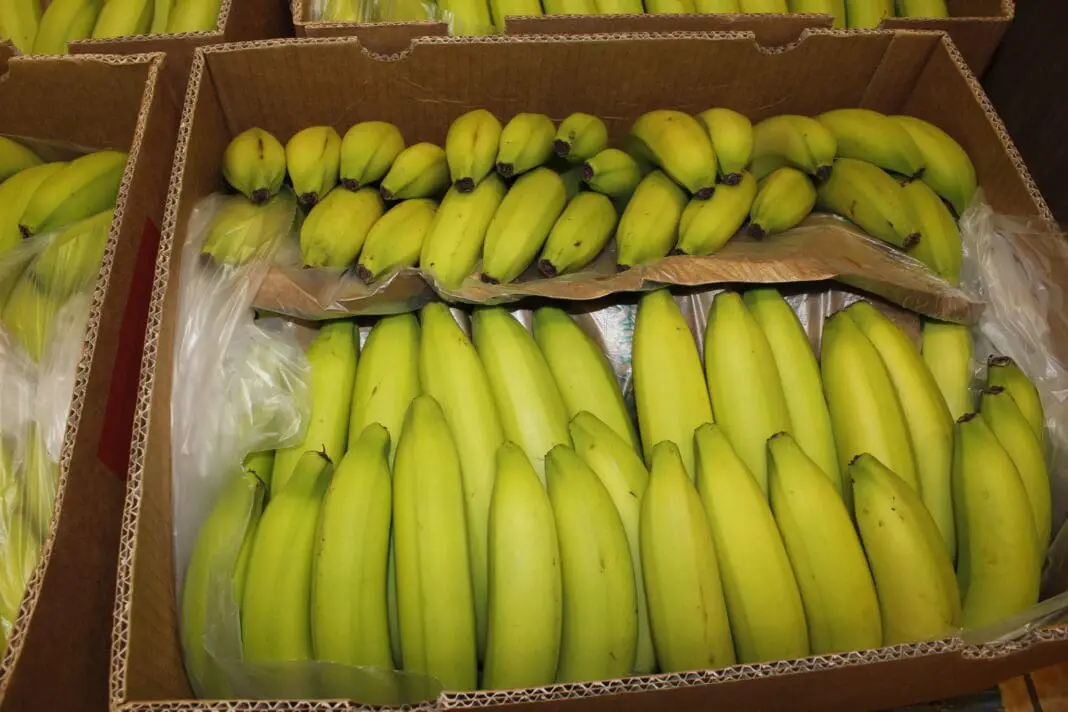
If you’ve ever bought bananas from Aldi, you might have noticed something weird happening when you get them home. Those bright green bananas sitting in the produce section look normal enough, but shoppers across the country are reporting the same bizarre problem. The bananas stay stubbornly green for days, and then suddenly jump straight to brown without ever hitting that perfect yellow stage when they’re actually good to eat. One shopper on Reddit described watching their bananas go from completely green to covered in brown spots, with basically no time in between when they were actually ripe.
This isn’t just happening to one or two unlucky people, either. The problem has become so common that Aldi’s permanently green bananas have turned into a running joke online. People have started calling the strange green color “proprietary” to Aldi, like it’s some kind of special feature instead of a massive annoyance. The issue seems to affect Aldi stores all over the place, which means it’s probably something to do with how they’re stored or transported before they even make it to your local shop. Either way, if you’re planning to buy bananas for your morning cereal or smoothies, you might want to skip Aldi and grab them somewhere else.
Strawberries that look great but aren’t
The strawberry situation at Aldi is another major disappointment waiting to happen. Sure, those containers look amazing sitting under the bright store lights, and the price tag of just $1.75 for a 16-ounce container seems like an absolute steal compared to nearly three bucks at other stores. But here’s the thing that nobody tells you until it’s too late: those strawberries often have mold hiding underneath the top layer. You can’t see it when you’re picking up the container in the store because everything looks perfectly red and fresh from above.
Multiple shoppers have complained about opening their strawberries at home only to find fuzzy mold already growing on the berries that were buried at the bottom of the container. The ones on top might look fine, but flip that container over or dig down a bit, and you’ll often find berries that are already past their prime. Raspberries have the same problem, which makes sense since they’re even more delicate than strawberries. The low prices on these berries start to make a lot more sense when you realize you might be throwing away half the container. That $1.75 deal doesn’t seem so great when you’re tossing moldy fruit in the trash before you even get to eat it.
Sweet potatoes that are rotting inside
You’d think something as hardy as a sweet potato would be safe to buy anywhere, right? Wrong. Aldi shoppers have noticed that sweet potatoes from their stores have a weird tendency to be rotten on the inside while still looking completely normal on the outside. This is super frustrating because you don’t discover the problem until you’re home trying to cook dinner. You pick up what looks like a perfectly good sweet potato, bring it home, and then cut into it only to find gross brown mush instead of that nice orange flesh you were expecting.
One person mentioned that rotting sweet potatoes are a “constant problem” at their local Aldi, which suggests this isn’t just bad luck or a one-time thing. The issue is that sweet potatoes can start rotting from the inside out, especially if they were damaged during shipping or were stored in conditions that were too cold or too warm. By the time they make it to the store shelf, they might look totally fine from the outside, but the damage is already done. Unless you want to start squeezing every single sweet potato before you buy it, you’re basically taking a gamble every time you toss one in your cart at Aldi.
Cucumbers that are already wrinkled and soft
Fresh cucumbers should be firm and crisp, but that’s not always what you get at Aldi. Shoppers have reported finding cucumbers that are already wrinkled and soft sitting right there in the produce section. These aren’t cucumbers that went bad after a week in your fridge at home. These are cucumbers that are already past their prime before you even buy them. A wrinkled cucumber is basically useless for salads or snacking because it’s lost that satisfying crunch that makes cucumbers worth eating in the first place.
The problem seems to be that Aldi’s produce doesn’t always get rotated properly, or it sits around too long before it gets sold. Some locations are better than others at keeping things fresh, but it’s kind of a lottery depending on which store you visit. The cucumbers might look okay from a distance, but once you pick one up and squeeze it, you can tell right away that it’s not fresh. The skin feels loose, and the whole thing just seems kind of sad and limp. If you absolutely need cucumbers and Aldi is your only option, make sure you’re checking each one carefully before it goes in your cart.
Kale and leafy greens are practically gone
Remember when Aldi used to carry those convenient bags of pre-cut kale and other interesting produce options? Yeah, those days seem to be over at a lot of locations. Multiple shoppers have mentioned that their local stores used to have a decent selection of leafy greens and other vegetables, but now the produce section is looking pretty sparse. One person described going in for their monthly shopping trip and finding mostly “sad cucumbers” and not much else worth buying in the fresh produce area.
The selection has definitely gotten smaller at many stores, which is disappointing because part of Aldi’s appeal used to be that you could get most of your groceries in one quick trip. Now, if you want any kind of variety in your vegetables, you might need to make a second stop at another grocery store. Some people think this is because Aldi is focusing more on their shelf-stable products and packaged goods, which probably have better profit margins and don’t go bad as quickly. Whatever the reason, it’s leaving shoppers frustrated and having to change their shopping routines just to get basic fresh vegetables.
Everything spoils way faster than normal
Even when Aldi produce looks good in the store, shoppers report that it goes bad much faster than produce bought from other grocery stores. Stuff that should last a week in your fridge is turning into a science experiment after just two or three days. This is a huge problem if you’re trying to meal prep for the week or if you don’t go grocery shopping every other day. The fast spoilage means you end up wasting food and money, which totally defeats the purpose of shopping at a discount store in the first place.
The reason for this quick spoiling probably has to do with how long the produce has already been sitting around before it even gets to the store. If fruits and vegetables spend extra time in transit or in storage facilities before making it to the shelf, they’re already older than they should be by the time you buy them. That means you’re getting maybe half the shelf life you’d normally expect. Some people have said they specifically avoid buying any produce items at Aldi now because they’ve been burned too many times by stuff going bad before they could use it. The money you save on the front end isn’t worth it when you’re throwing food away.
Quality depends completely on your location
Here’s where things get tricky: not every Aldi store has these problems. Some people swear by their local Aldi and say they’ve never had issues with the produce, while others wouldn’t touch it with a ten-foot pole. This huge variation in quality from store to store makes it really hard to give blanket advice about shopping there. The store in one town might have great produce that’s always fresh, while the location twenty miles away might be selling stuff that’s already half-rotten.
The reason for these differences comes down to how Aldi operates. They source their produce from different local suppliers depending on where the store is located, which is actually part of how they keep costs so low. This means every store’s produce is only as good as its particular supplier. If your local Aldi happens to work with a reliable farm or distributor, you might have great luck. But if they’re getting their produce from a supplier who’s cutting corners or if the store itself isn’t managing inventory well, you’re going to run into problems. It’s basically a gamble based on geography.
Timing your shopping trip actually matters
If you’re determined to buy produce at Aldi despite all these warnings, your best bet is to time your shopping trip carefully. According to people who actually work at Aldi, the stores get produce deliveries twice a day. That means if you show up right when the store opens in the morning or sometime between noon and two in the afternoon, you’re way more likely to find fresh stuff that just got put out. Going at random times, especially later in the evening, means you’re picking through whatever’s been sitting there all day.
This is kind of annoying because most people don’t want to plan their entire grocery shopping schedule around delivery times. But if you’re going to shop at Aldi for produce, it really does make a difference. The fresh stock that comes in during those times hasn’t been sitting under the store lights getting handled by dozens of other shoppers. You’re getting first pick of the good stuff before it has a chance to get damaged or start going bad. It’s extra work, but it might be the difference between getting a good deal and wasting your money on food you’ll just throw away.
The staff situation makes everything worse
Part of why Aldi can keep prices so low is that it runs their stores with a skeleton crew. While this is great for their bottom line, it’s not so great for keeping the produce section in good shape. With only one or two employees working at a time, there’s nobody regularly going through the produce to pull out the bad stuff or rotate stock properly. Items that should have been thrown out days ago are still sitting there on the shelf, mixed in with the fresher produce that just came in.
You also can’t really ask for help if you’re trying to figure out when something came in or if there’s fresher stock in the back. The employees are usually busy running the register or rushing around trying to restock shelves, and there just aren’t enough of them to provide customer service the way other grocery stores do. This means you’re on your own when it comes to inspecting produce and making sure you’re not buying something that’s already going bad. It’s a trade-off that comes with the low prices, but it does mean you need to be way more careful about what you’re putting in your cart.
Shopping at Aldi can still be worth it for a lot of things, but their produce section is definitely hit or miss. The problems aren’t going to magically fix themselves, so if you do decide to buy fruits and vegetables there, go in with your eyes open. Check everything carefully, time your trips around delivery schedules if possible, and maybe have a backup plan for where you’ll get your produce if Aldi’s selection looks rough. Sometimes saving a few bucks just isn’t worth the frustration of dealing with food that goes bad before you can eat it.
