

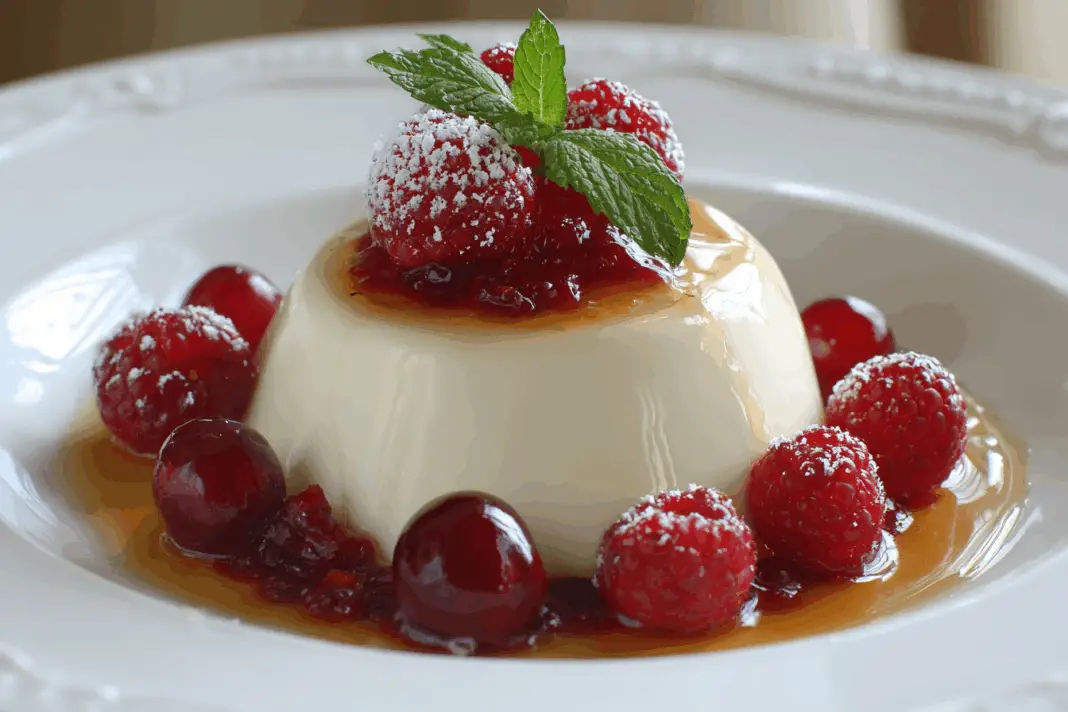
Most desserts today come from a box or freezer, but there’s one creamy, dreamy treat that used to grace every family gathering and church potluck. Swedish Cream was the go-to elegant dessert that impressed guests without breaking the bank or requiring fancy equipment. This simple yet sophisticated dessert has nearly vanished from modern kitchens, replaced by store-bought puddings and instant everything. The irony? It’s actually easier to make than most desserts people struggle with today.
People think it requires special equipment
The biggest misconception about Swedish Cream is that it needs some fancy European kitchen gadget or specialized mold. In reality, this dessert uses the most basic kitchen tools you already own. A simple saucepan, a whisk, and regular drinking glasses or small bowls are all that’s required. The technique is so straightforward that even beginners can master it on their first try.
What makes Swedish Cream special isn’t complicated equipment but rather the perfect balance of cream, sugar, and gelatin that creates its signature silky texture. Unlike modern desserts that rely on artificial thickeners and stabilizers, this forgotten recipe achieves its luxurious consistency through simple, natural ingredients. The gelatin does all the work while the cream provides richness that modern puddings simply can’t match.
Modern cooks skip the gelatin step
Many people avoid recipes with gelatin because they think it’s complicated or old-fashioned. The truth is, gelatin is incredibly forgiving and creates a texture that’s impossible to achieve with cornstarch or other thickeners. Swedish Cream relies on unflavored gelatin to create its characteristic firm-yet-creamy consistency that holds its shape when unmolded but melts smoothly on your tongue.
The key is properly blooming the gelatin, which sounds intimidating but takes less than five minutes. Simply sprinkle the gelatin over cold water, let it sit until it looks spongy, then dissolve it in the warm cream mixture. This technique was second nature to home cooks decades ago, but somehow got lost when instant pudding mixes took over. The result is a dessert that’s both more sophisticated and more stable than anything that comes from a box.
The almond extract makes all the difference
Most people either skip the almond extract entirely or use too little, thinking it’s just an optional addition. This single ingredient is what transforms plain cream into something extraordinary. The almond extract provides a subtle, sophisticated background note that makes people wonder what makes this dessert taste so special. It’s not overwhelming like artificial almond flavoring, but rather a gentle enhancement that elevates the entire dessert.
Pure almond extract is worth the extra cost here because the delicate nature of Swedish Cream allows every ingredient to shine. Artificial extracts can taste harsh and synthetic against the mild cream base, while pure extract adds complexity without competing with the dessert’s natural sweetness. This attention to quality ingredients is why vintage recipes often taste better than their modern counterparts.
Everyone overthinks the temperature control
The fear of curdling cream keeps many cooks from attempting Swedish Cream, but the temperature control is much more forgiving than people imagine. The cream mixture only needs to be warm enough to dissolve the gelatin completely, not hot enough to scald. Gentle heat and constant stirring prevent any problems, and the mixture can even be reheated slightly if the gelatin doesn’t dissolve completely the first time.
Unlike custards or puddings that can break if overheated, Swedish Cream is remarkably stable during the cooking process. The gelatin actually helps protect the cream from separating, making this dessert more foolproof than its elegant appearance suggests. Once cooks realize how forgiving the recipe is, they often wonder why they waited so long to try it.
Fresh berries aren’t just decoration
While Swedish Cream is delicious on its own, the traditional pairing with fresh berries serves a purpose beyond just a pretty presentation. The natural acidity in berries cuts through the richness of the cream, creating a perfect balance that cleanses the palate. Strawberries, raspberries, and blueberries all work beautifully, but the tartness is what makes the combination sing.
This pairing also reflects the Scandinavian tradition of balancing rich, creamy foods with bright, acidic elements. The contrast isn’t just about taste – the vibrant colors of fresh berries against the pristine white cream create a visual appeal that modern desserts often lack. It’s a lesson in how simple, quality ingredients can create something more impressive than elaborate presentations.
Heavy cream versus half-and-half matters
Many modern recipes try to lighten up Swedish Cream by substituting half-and-half or even milk for heavy cream, but this fundamentally changes the dessert’s character. Heavy cream provides the richness and mouthfeel that makes Swedish Cream special – it’s what creates that luxurious texture that coats your spoon and melts perfectly on your tongue. Lower-fat alternatives result in a thin, watery dessert that lacks the original’s appeal.
The fat content in heavy cream also helps the gelatin set properly, creating a firmer texture that holds up better when unmolded. This is why traditional recipes insisted on using the best cream available, not as an indulgence but as a necessity for proper texture. In an era where people ate smaller portions and treated desserts as special occasions, using real cream wasn’t considered excessive but essential.
The unmolding technique seems scary
Fear of unmolding disasters keeps many people from attempting Swedish Cream, but the technique is surprisingly simple once you know the trick. The key is running a thin knife around the edges to break the seal, then dipping the mold briefly in warm water to loosen the bottom. A quick, confident flip onto a serving plate usually works perfectly, and even if it doesn’t come out perfectly, it still tastes amazing.
Individual serving glasses eliminate the unmolding stress entirely while still looking elegant and sophisticated. This approach actually makes more sense for modern entertaining since people can grab their own portion without needing to slice and serve. The dessert looks just as impressive in clear glasses, and you can layer berries or other garnishes for extra visual appeal.
Make-ahead timing confuses everyone
Swedish Cream requires several hours to set properly, which makes some people think it’s too complicated for regular dessert making. The reality is that this make-ahead requirement is actually a huge advantage for busy cooks. The dessert can be made up to three days in advance and actually improves with time as the flavors meld together. This makes it perfect for entertaining since it’s completely finished before guests arrive.
The minimum setting time is about four hours, but overnight is even better for achieving the perfect texture. Unlike fresh desserts that deteriorate quickly, Swedish Cream maintains its quality for days when properly covered and refrigerated. This stability made it a favorite for church suppers and family gatherings where food needed to sit out for extended periods without spoiling.
People assume it’s too old-fashioned
The biggest barrier to making Swedish Cream today is the perception that it’s outdated or too simple for modern tastes. This attitude overlooks how perfectly this dessert fits contemporary preferences for clean, simple ingredients and elegant presentations. While other desserts pile on artificial flavors and complicated techniques, Swedish Cream achieves sophistication through restraint and quality.
The minimalist approach that made Swedish Cream popular decades ago actually aligns perfectly with current food trends. People today appreciate desserts that aren’t overly sweet or artificial, and this recipe delivers exactly that. The clean, creamy taste and elegant presentation make it feel timeless rather than dated, proving that good recipes never really go out of style.
Swedish Cream represents everything that’s been lost in modern dessert making – simplicity, quality ingredients, and the patience to let time work its magic. This forgotten recipe deserves a place in today’s kitchens, where its make-ahead convenience and elegant results can once again bring families together around the dinner table. Sometimes the best way forward is to look back at what our grandmothers knew all along.
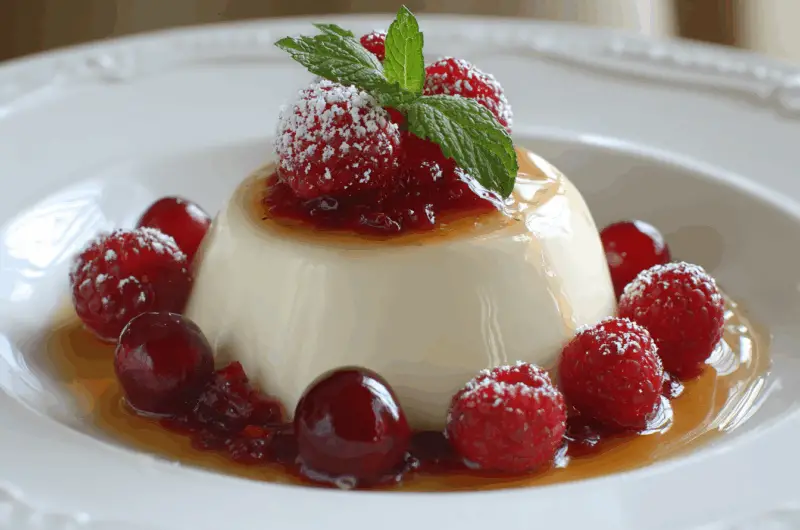
Swedish Cream
Course: Dessert8
servings15
minutes10
minutes280
kcalA silky, elegant dessert with just a hint of almond that melts perfectly on your tongue.
Ingredients
1 envelope unflavored gelatin
1/4 cup cold water
1/2 cup granulated sugar
1 cup heavy cream
1 cup sour cream
1 teaspoon pure vanilla extract
1/2 teaspoon pure almond extract
Fresh berries for serving
Optional: additional sugar for berries
Directions
- Sprinkle the unflavored gelatin over cold water in a small bowl. Let it sit for 5 minutes until it becomes spongy and absorbs all the water. This process is called blooming and ensures the gelatin dissolves completely without lumps.
- Heat the heavy cream and sugar in a medium saucepan over medium heat, stirring constantly until the sugar dissolves completely. The mixture should be hot but not boiling – small bubbles around the edges are perfect. Remove from heat as soon as the sugar is dissolved.
- Add the bloomed gelatin to the hot cream mixture and whisk vigorously until completely dissolved. The mixture should be smooth with no visible gelatin particles. If needed, return to low heat for 1-2 minutes to ensure complete dissolution.
- Let the mixture cool for 10 minutes, then whisk in the sour cream until completely smooth. The sour cream should be at room temperature to prevent curdling. Stir in both vanilla and almond extracts, making sure they’re evenly distributed.
- Pour the mixture into 8 individual serving glasses or ramekins, or into a 4-cup mold if you prefer to unmold later. Cover each glass with plastic wrap, making sure the wrap doesn’t touch the surface of the cream to prevent a skin from forming.
- Refrigerate for at least 4 hours or overnight until completely set. The Swedish cream should be firm enough to hold its shape when spooned but still creamy and smooth. Overnight chilling gives the best texture and allows flavors to meld.
- If using a mold, run a thin knife around the edges to loosen, then dip the bottom of the mold in warm water for 10-15 seconds. Place a serving plate over the mold and quickly invert. The cream should release easily.
- Serve topped with fresh berries of your choice. Strawberries, raspberries, and blueberries all work beautifully. For extra sweetness, toss berries with a small amount of sugar 15 minutes before serving to release their natural juices.
Notes
- Use pure almond extract, not imitation, for the best flavor – the difference is noticeable in this delicate dessert
- Swedish cream can be made up to 3 days ahead and actually improves with time as flavors develop
- For unmolding, lightly oil your mold first, or use individual glasses to avoid the unmolding step entirely
- If the mixture starts to set before you finish pouring, gently warm it over low heat while stirring to re-liquefy
- Don’t substitute half-and-half or milk for heavy cream – the fat content is essential for proper texture
Frequently Asked Questions
Q: Can I make Swedish Cream without gelatin?
A: No, gelatin is essential for the characteristic texture of Swedish Cream. Without it, you’ll have a liquid cream mixture rather than the firm, moldable dessert. The gelatin creates the unique consistency that sets Swedish Cream apart from other desserts.
Q: How long does Swedish Cream last in the refrigerator?
A: Swedish Cream stays fresh for up to 5 days when properly covered and refrigerated. The texture actually improves after the first day as the flavors meld together, making it an excellent make-ahead dessert for entertaining.
Q: Why did my Swedish Cream turn out rubbery?
A: This usually happens when too much gelatin is used or when the gelatin isn’t properly dissolved. Make sure to use exactly one envelope of unflavored gelatin and dissolve it completely in the hot cream mixture before adding other ingredients.
Q: Can I use frozen berries instead of fresh ones?
A: Fresh berries work best because they maintain their shape and don’t release excess liquid that could make the cream watery. If using frozen berries, thaw them completely and drain any excess liquid before serving.
