

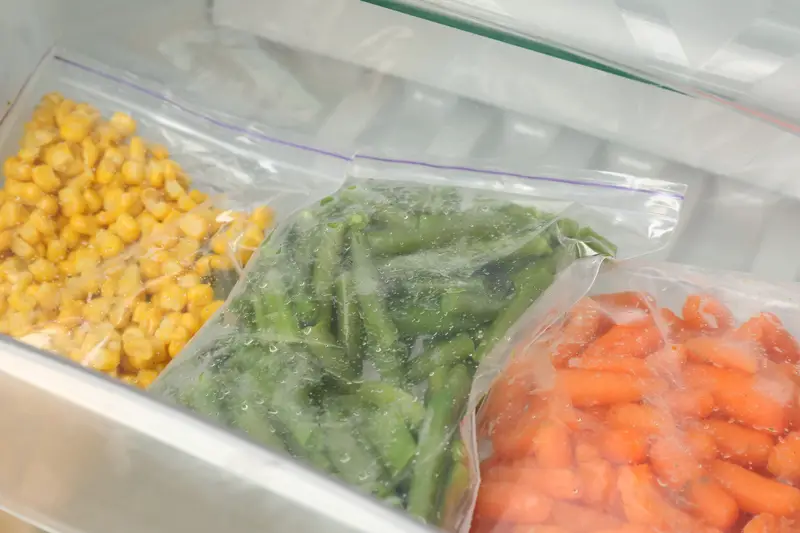
There’s a Ziploc bag in your kitchen right now. Probably several. Maybe one holding last night’s leftover chili, another with frozen chicken breasts, and a third stuffed with your kid’s snack for school. Americans burn through roughly 100 billion plastic bags a year, and Ziploc is the king of the sandwich bag aisle. We trust these things with our food the way we trust tap water — without thinking about it much.
But a class action lawsuit filed in May 2025 is forcing a lot of people to reconsider what they’ve been doing with these bags. And the science backing it up is uncomfortable reading. Here’s what you need to stop doing — and what’s actually fine.
Don’t Microwave Them (Yes, Even Though the Box Says You Can)
This is the big one. A California woman named Linda Cheslow filed a class action lawsuit against S.C. Johnson & Son Inc. — the company that makes Ziploc — claiming their bags release dangerous levels of microplastics when microwaved. The products are made from polyethylene and polypropylene, and scientific evidence shows these materials shed tiny plastic particles when they get hot.
Now, Ziploc’s official position is that their bags are safe for microwave use, specifically for defrosting and reheating. Their FAQ page says to leave the zipper open at least one inch to vent steam, and to be careful with sugary or fatty foods because they heat up fast. An S.C. Johnson spokesperson told USA Today the claims are “without merit.”
But here’s the thing: the lawsuit isn’t based on someone’s hunch. It’s based on studies. A 2024 study found microplastics accumulating in mice brains and causing blood flow blockages. Another found microplastic accumulation in human brains. A January 2025 study linked microplastics in human placentas to premature births. Yet another from early 2025 connected microplastic exposure to respiratory, digestive, and reproductive problems.
The FDA currently says there are no known risks to human health from microplastics in food. But “no known risks” is a very different statement from “it’s safe.” It just means they haven’t finished studying it yet. Independent testing groups have been pretty blunt: do NOT put plastic bags into the microwave or place hot items inside because heat speeds up the leaching process.
Don’t Store Hot Food in Them Either
People do this all the time. You make a batch of soup, you want to portion it out, and you ladle it straight into a Ziploc. Or you pack hot pasta for your kid’s lunch. It seems harmless. The bag doesn’t melt. Everything looks fine.
But chemical leaching doesn’t require the bag to melt or warp. A major study published in the Journal of Exposure Science and Environmental Epidemiology found that over 3,600 chemicals used in food packaging have been detected in human blood and urine. Some of those chemicals — including BPA and phthalates — have clear health concerns. Others haven’t been studied enough to say either way.
Jane Muncke, a toxicologist at the Food Packaging Forum in Switzerland, co-authored that study. The researchers identified about 80 chemicals of high concern tied to cancers, developmental disorders, and heart disease. Chemical leaching is accelerated by heat, time, whether the food is fatty or acidic, and how much surface area the food touches.
So that hot chili sitting in a Ziploc? It’s checking every box: hot, fatty, acidic (tomatoes), and pressed against the plastic on all sides. Let your food cool down before it goes in the bag. It’s a small habit change that might matter a lot.
Don’t Boil Food in Them
This one should be obvious, but people absolutely do it. Whether it’s a makeshift sous vide setup or just trying to heat something up in a pot of water, regular Ziploc bags are not built for boiling. Standard Ziploc bags start softening at around 195°F, and water boils at 212°F. That’s a margin of 17 degrees, which is nothing.
Ziploc’s own guidance says their regular polyethylene bags should not be used for sous vide cooking or boiling. If you want to do sous vide, they recommend their Ziploc Endurables line, which is made from platinum silicone and can handle temperatures up to 425°F. Regular Ziploc bags? They’ll soften, stretch, and potentially leak chemicals and scalding liquid everywhere.
If you’re set on cooking in bags, buy actual sous vide bags from a kitchen store. Or use silicone bags designed for heat. A regular gallon Ziploc bag in a pot of boiling water is asking for trouble — both from chemical exposure and from a very real burn risk if the bag fails.
Don’t Put Them in the Dishwasher
A lot of people try to wash and reuse their Ziploc bags — which is actually a great idea for your wallet and the environment. A single box of 28 gallon bags can last months instead of weeks if you reuse them. SC Johnson even says you can wash and reuse bags up to 10 times depending on use.
But hand wash them. Don’t throw them in the dishwasher. According to Consumer Reports, a dishwasher’s heat can cause harmful chemicals like phthalates and BPA to leach from plastics. Dishwashers can hit temperatures between 130°F and 175°F during wash and dry cycles, and sanitize cycles go even higher. That’s enough to warp thin plastic and accelerate chemical migration.
A melted Ziploc bag can also clog your dishwasher’s filter or wash system. The right way to clean them: warm water, a small squirt of dish soap, zip it closed, slosh it around, rinse well, and hang them open to air dry. Don’t turn them inside out — you’ll rip the seams.
Don’t Store Fatty or Acidic Foods Long-Term
Ziploc bags are great for short-term storage. Throwing some carrot sticks in one for tomorrow’s lunch? Totally fine. But keeping butter, cheese, oily meats, or tomato sauce in a Ziploc for days or weeks is a different story.
Ziploc bags are made from low-density polyethylene (LDPE), and the chemicals in LDPE are fat-soluble. That means fatty foods like cheese, oils, meats, and butter are more likely to absorb those chemicals during storage. Acidic foods like tomatoes and citrus fruits can actually break down the plastic over time, increasing the rate of chemical transfer.
Here’s a visual way to think about it: when you store tomato sauce in a plastic container, the container turns red. That’s because molecules from the sauce have physically moved into the plastic. The same thing happens in reverse — molecules from the plastic move into your food. You just can’t see it.
For long-term storage of fatty or acidic foods, glass or stainless steel containers are the safer bet. Save the Ziplocs for dry goods, snacks, or short stints in the fridge.
Don’t Leave Them in a Hot Car
You pack your kid’s lunch in a Ziploc, toss it in the car, and run errands for two hours on a July afternoon. By the time that sandwich gets eaten, the inside of your car has been sitting at 150°F to 170°F — or higher. That’s well within the range where plastics start to warp and leach chemicals.
Even on a moderately warm day, car interiors can exceed outside temperatures by 20 to 30 degrees within minutes. If a Ziploc bag holding a turkey and cheese sandwich is baking on the backseat in those conditions, the plastic is reacting with the food. You won’t see it or taste it, but it’s happening at the molecular level.
An insulated lunch bag with an ice pack is the easy fix here. It keeps food cold and keeps the plastic from getting anywhere near those temperatures.
Don’t Reuse a Bag That Held Raw Meat
SC Johnson themselves will tell you this one. If your Ziploc held raw meat, fish, or eggs, don’t reuse it. Same goes for anything containing common allergens. No amount of soap and warm water is going to guarantee that all the bacteria from raw chicken got scrubbed out of every microscopic crevice in that bag.
This is one area where being frugal isn’t worth the risk. Salmonella and E. coli aren’t things you want to gamble on to save thirty cents. Toss the bag and recycle it — most supermarkets have drop-off locations for plastic bags and film, and you can find one near you at bagandfilmrecycling.org.
The Good News About Ziploc
It’s not all bad. Ziploc bags are BPA free, which is more than a lot of plastic products can claim. And in independent testing of 11 sandwich bag brands for PFAS — those “forever chemicals” linked to cancer, thyroid disease, and immune problems — Ziploc was the only brand that came back completely clean. A full 81% of the other brands tested had detectable levels of organic fluorine, a marker for PFAS contamination. Scientists actually use Ziploc bags to collect and ship lab samples specifically because they don’t contain PFAS.
So Ziploc isn’t the enemy. It’s how we use them that’s the problem. Room temperature storage of dry or non-fatty foods? Fine. Quick organization of craft supplies, hardware, travel toiletries? Great. The issues start when we add heat, fat, acid, and time to the equation.
Leonardo Trasande, a pediatrician and researcher at NYU, has noted that chemicals like BPA and phthalates start clearing the body quickly once you stop ingesting them. Change your habits, and you can shift hormone levels in weeks and your overall health profile in months. That’s a pretty strong argument for making a few small changes in how you use a plastic bag.
