

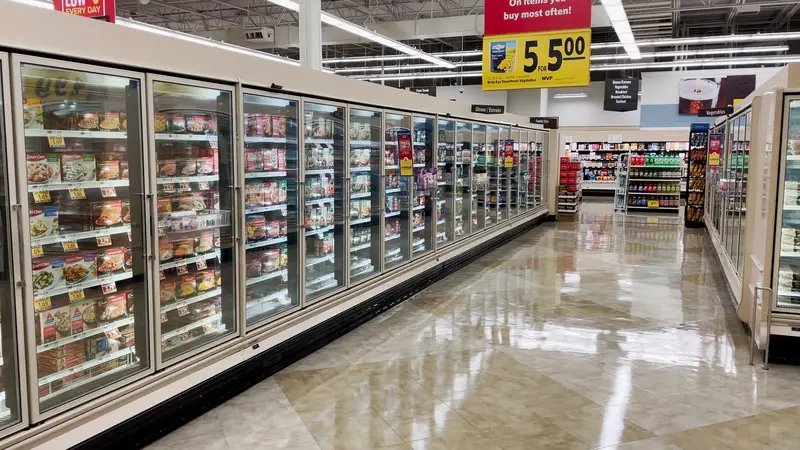
Your freezer is about to become your best friend. With new import tariffs rolling out across the country, prices on many frozen foods are expected to jump significantly in the coming months. Some items could see increases of 25% or more, depending on where they come from. The good news? You still have time to stock up on your favorites before the prices go up. Most of these foods last for months in the freezer, so buying extra now makes sense if you want to keep your grocery bills from skyrocketing later.
Frozen shrimp and fish are getting hit hard
If you love keeping bags of frozen shrimp in your freezer for quick dinners, now’s the time to stock up. The United States imports between 70% and 85% of all the seafood we eat, and most of it comes from countries facing steep tariffs. Vietnam, which sends us tons of frozen seafood, is facing tariffs as high as 46%. Indonesia is looking at 32% tariffs, while Canada is dealing with 25%. Chile, another major seafood supplier, has 10% tariffs coming its way.
Fish sticks, frozen tilapia fillets, and those convenient bags of frozen cod are all about to get more expensive. Even products like breaded fish and shrimp cocktail rings will see price increases. Some seafood caught in American waters gets sent to China for processing before coming back to us frozen, which means it’ll get hit with tariffs twice. If your family goes through fish sticks regularly or you rely on frozen salmon for weeknight meals, grab a few extra packages next time you’re at the store. Your freezer can handle it, and your wallet will thank you later.
Frozen fruit prices are about to climb
Those bags of frozen berries you toss in your morning smoothie? They’re about to cost you more. Mexico supplies most of our frozen fruit, and it’s facing 25% tariffs on everything it sends across the border. Canada, which is our second-largest source for frozen fruit, is dealing with the same tariff rates. Guatemala and Peru, which also send us plenty of frozen pineapple and other tropical fruits, are looking at 10% tariffs. Frozen strawberries, blueberries, raspberries, and mixed berry bags are all vulnerable to price increases.
Frozen mango chunks and pineapple pieces are also at risk since Costa Rica, Guatemala, and Peru grow most of the tropical fruit we import. Even frozen avocado chunks, which have become popular for smoothies and quick guacamole, will likely cost more since 90% of our avocados come from Mexico. The good news is that frozen fruit lasts for months without losing much quality, so buying extra bags now is a smart move. Whether you’re making smoothies, baking pies, or just eating frozen berries straight from the bag as a snack, stock up while prices are still reasonable.
Frozen vegetables won’t escape price increases either
Broccoli might seem like an all-American vegetable, and California does grow a lot of it. But we also import frozen broccoli from Mexico and Canada to keep supplies steady year-round. With both countries facing 25% tariffs, those bags of frozen broccoli florets in your freezer section are about to get pricier. The same goes for other frozen vegetables that come from these countries. Even vegetables grown in the United States might see price increases because farms rely on imported fertilizers from Canada to grow their crops.
Frozen vegetables are super convenient because you can cook them straight from frozen without waiting for them to thaw. They’re also just as nutritious as fresh vegetables, sometimes even more so because they’re frozen right after harvesting. If you use frozen vegetables regularly in stir-fries, casseroles, or as side dishes, consider buying extra bags before the tariffs kick in. They take up minimal space in your freezer, and having a good supply means you won’t have to pay inflated prices later on.
Ground beef and frozen burger patties will cost more
You might think American beef wouldn’t be affected by tariffs since we raise most of our own cattle. But here’s the catch: American beef tends to be fattier than what people want to buy. To make the lean ground beef you see at the store, producers mix our beef with leaner meat imported from Australia and New Zealand. Those imports are about to face tariffs, which means your ground beef prices are going up. Frozen burger patties, which are already at the store ready to throw on the grill, will also see price increases.
There’s another problem, too. American cattle farmers depend on imported feed and hay to raise their herds, especially during droughts when domestic hay is scarce. A lot of that feed comes from Canada and South America, and tariffs will make it more expensive for farmers to feed their animals. Those costs get passed down to you at the grocery store. If you love having frozen burger patties on hand for quick cookouts, or you buy ground beef in bulk and freeze it yourself, now’s the time to load up your freezer before prices rise even higher.
Chicken products are vulnerable to price hikes
Americans eat a lot of chicken, and most of it comes from domestic farms. But just like beef, chicken isn’t safe from tariff-related price increases. A lot of the chicken we import gets turned into frozen products like chicken nuggets, tenders, and breaded patties. If you have kids who go through boxes of chicken nuggets like candy, you’re going to feel the pinch. Even domestically raised chicken might cost more because farmers face higher costs for feed and fertilizers, which often come from Canada and other countries facing tariffs.
Frozen chicken breasts, wings, and thighs that you buy in bulk bags at the store could all see price increases soon. The good news is that chicken freezes really well and can last for several months if stored properly. If you have the freezer space, buying extra packages of frozen chicken now makes sense. Whether you’re making weeknight dinners, meal prepping for the week, or just keeping quick options on hand, having a well-stocked freezer will save you money when prices go up.
Frozen rice products will see price jumps
Most of the rice we eat in America is grown right here, so you might think it’s safe from tariffs. But if you’re a fan of basmati or jasmine rice, you’re out of luck. India supplies most of our basmati rice and faces 26% tariffs, while Thailand sends us jasmine rice and is dealing with 36% tariffs. Those specialty rice varieties that make your favorite Indian and Thai dishes taste authentic are about to cost a lot more. Frozen rice meals and side dishes that use these types of rice will also see price increases.
Frozen rice is incredibly convenient because it’s already cooked and just needs to be heated up. You can find frozen rice in plain varieties or mixed with vegetables and seasonings. Some brands sell frozen rice in individual portions that you can microwave in minutes. If you rely on frozen rice for quick meals or you love cooking with basmati and jasmine rice, stock up now before the tariffs make them much more expensive. Frozen rice lasts for months, so buying extra won’t go to waste.
Frozen garlic products face steep tariffs
Garlic prices have been climbing for a while now, and the new tariffs are about to make things worse. China is one of the world’s biggest garlic producers, and it supplies a lot of what we use in America. Chinese goods are currently facing 55% tariffs, which is incredibly steep. While you might not think of frozen garlic as a common grocery item, frozen garlic cubes are actually super convenient for cooking. They last way longer than fresh garlic, and you can just pop one out of the package whenever you need it.
Fresh garlic eventually goes bad or starts sprouting, but frozen garlic cubes stay good for months. You can use them in pretty much any recipe that calls for garlic, from pasta sauces to stir-fries to garlic bread. Some brands sell frozen minced garlic in convenient portions that are already peeled and chopped for you. If you cook with garlic regularly, and most people do, picking up some frozen garlic products now will save you money and frustration later when prices jump.
Frozen juice concentrate isn’t safe from tariffs
Remember frozen orange juice concentrate? It’s still around, along with apple, grapefruit, and other fruit juice concentrates. These products might seem old-fashioned, but they’re actually pretty convenient and usually cheaper than buying ready-made juice. The problem is that about 80% of fruit juice imports will be affected by the new tariffs. China exports a lot of apple juice concentrate to the United States, and with the 55% tariffs on Chinese goods, prices are going to jump. Brazil, which sends us orange juice concentrate, will also face tariffs.
There’s another issue too: the cans that juice concentrate comes in often have aluminum ends, and aluminum from Canada is facing higher tariffs. That means even if the juice itself doesn’t get hit too hard, the packaging costs will go up. Frozen juice concentrate takes up very little space in your freezer, and the cans last for months. If you drink juice regularly or use it for making smoothies and cocktails, grabbing a few extra cans now is a smart move before the prices increase.
Frozen meals with multiple ingredients will cost more
Frozen dinners and prepared meals are about to get hit from multiple directions. Think about what goes into a frozen chicken stir-fry: chicken, vegetables, rice, sauce, and seasonings. If even one or two of those ingredients get more expensive because of tariffs, the whole meal costs more to produce. Companies making these products will pass those costs on to you. Frozen pizzas, lasagnas, burritos, and other complete meals all use ingredients that might be affected by the new tariffs.
The packaging for frozen meals might also cost more since aluminum, plastic, and paper used in food packaging often come from countries facing tariffs. Even if the food inside is mostly domestic, the box or tray it comes in might push the price higher. If you rely on frozen meals for quick dinners after long work days or you keep them on hand for emergencies, consider buying extra now. Check for sales and stock up on your favorites while they’re still affordable. Your future self will appreciate having a freezer full of easy meals at pre-tariff prices.
Nobody likes paying more for groceries, but the tariffs are happening whether we like it or not. The smart move is to take advantage of current prices while they last. Clear out some space in your freezer, keep an eye out for sales, and stock up on the frozen foods your family uses most. A little planning now can save you a lot of money over the next several months. Plus, having a well-stocked freezer means you won’t have to shop as often, which saves time too.
