

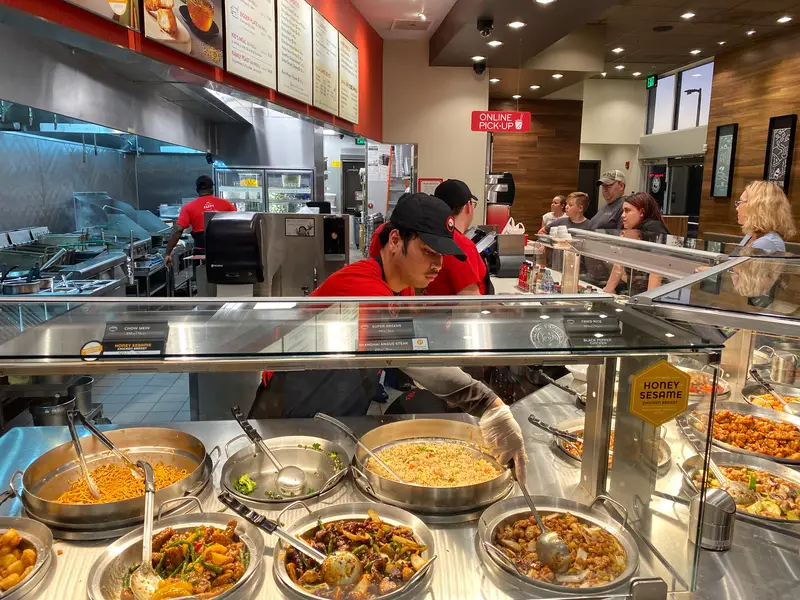
Walking into a Chinese restaurant can feel overwhelming with so many options, but some of those popular dishes everyone orders might not be the best choices. Many American Chinese restaurants serve dishes that look authentic but are actually loaded with sugar, sodium, and unnecessary calories – plus they’re often nothing like what people actually eat in China. Before placing that next order, here’s what smart diners skip to get better food and better value for their money.
General Tso’s chicken packs three days of sugar
That sweet and sticky General Tso’s chicken might taste amazing, but one serving contains enough sugar to last three entire days. The sauce combines cornstarch, orange juice, rice vinegar, and loads of added sugar to create what nutrition experts call “a recipe for disaster.” Each plate delivers 1,578 calories and 62 grams of sugar – that’s more than most people should eat in 72 hours. The breaded chicken gets double-fried before being smothered in this sugary coating, making it one of the worst choices on any menu.
Most people don’t realize they’re basically eating candy disguised as dinner. Registered dietitians warn that this single dish exceeds daily recommendations for calories, fat, and sodium all at once. The 2,400 milligrams of sodium alone is enough to make anyone feel bloated and sluggish. Even worse, General Tso’s chicken isn’t even a real Chinese dish – it was invented in America specifically to appeal to people who wanted something sweet and familiar.
Beef and broccoli isn’t as healthy as it looks
Beef and broccoli seem like a safe, healthy choice with protein and vegetables, but the black bean sauce tells a different story. That innocent-looking brown sauce can contain more than a full day’s worth of sodium in a single serving. At popular chain restaurants, one order packs 770 calories, 33 grams of fat, and 33 grams of sugar – numbers that would shock most diners who think they’re eating light. The American Heart Association recommends staying under 1,500 milligrams of sodium daily, but this dish can deliver 2,110 milligrams.
The real problem isn’t the beef or broccoli – it’s that thick, salty sauce that coats everything. Restaurant versions use much more sauce than traditional Chinese cooking would ever call for. The sauce gets loaded with sugar, cornstarch, and sodium to create that glossy appearance and addictive taste. Even eating just two-thirds of a typical serving puts most people over their safe daily sodium limit, which can lead to feeling puffy and uncomfortable for hours.
Peking duck comes with way too much saturated fat
Peking duck might seem fancy and traditional, but it delivers 35% more saturated fat than anyone should eat in an entire day. While duck does contain beneficial selenium, iron, and B vitamins, the preparation method and accompanying sauces create a nutritional nightmare. The hoisin and plum sauces add massive amounts of sugar, while those thin Mandarin pancakes pile on unnecessary carbohydrates. Restaurant portions are typically much larger than what would traditionally be served, making the fat and sugar content even worse.
Nutrition experts recommend asking for reduced salt and sauces if ordering this dish, but even then, the duck skin alone contains enough saturated fat to max out daily limits. The traditional preparation involves roasting the duck with the skin on to create that crispy texture everyone loves, but that same skin is where most of the problematic fats hide. Many diners don’t realize they’re consuming nearly two days’ worth of saturated fat in what feels like a moderate portion.
Egg rolls are basically fried dough with cheap fillings
Those crispy egg rolls that start most Chinese restaurant meals are actually American inventions from the 1980s, not traditional Chinese food. Each roll contains 220 calories before adding any dipping sauce, and they’re designed to be eaten in multiples as appetizers. The deep-frying process causes them to absorb substantial oil, resulting in nearly 2 grams of saturated fat per piece. Since most people eat at least two or three before their main course arrives, that’s easily 10% of daily caloric intake just from appetizers.
The bigger issue is what’s actually inside these golden cylinders. Restaurant versions often use poor-quality fillings heavily seasoned with sodium to mask the taste. Traditional egg rolls would contain roasted pork, egg, bamboo shoots, and fresh vegetables, but American versions typically use cheap cabbage, processed meat scraps, and lots of salt. The sweet and sour dipping sauce adds even more sugar and sodium to an already problematic appetizer that fills people up before they even get to their main course.
Orange chicken uses terrible cooking techniques
Orange chicken represents everything wrong with American Chinese cooking – it’s heavily battered, deep-fried, and drowning in sugary sauce instead of using proper traditional techniques. Real Chinese cooking emphasizes fresh ingredients, quick cooking methods, and balanced seasonings that enhance natural food tastes. Orange chicken does the opposite by masking chicken completely under thick breading and artificially orange-colored sauce that tastes more like candy than citrus. The chicken gets fried twice to achieve that extra-crispy coating, doubling the oil absorption.
Cooking experts point out that authentic Chinese cuisine rarely uses this much oil or sugar in any single dish. The orange sauce combines corn syrup, food coloring, and artificial orange flavoring to create that bright color and sweet taste that appeals to American palates. Traditional Chinese cooking would use fresh orange peel, light soy sauce, and minimal oil to create subtle, complex tastes. Orange chicken is essentially fried chicken nuggets with candy sauce, having nothing in common with genuine Chinese food traditions.
Barbecue spare ribs contain half your daily saturated fat
Those glossy barbecue spare ribs might look like a protein-rich, low-carb option, but just 3 ounces contain 337 calories and 26 grams of fat. The specific cut of pork used for spare ribs is naturally high in fat, but restaurant preparation makes it even worse. The sweet barbecue sauce adds unnecessary sugar, while the ribs themselves deliver 9.5 grams of saturated fat – nearly half of what most people should consume in an entire day. Most restaurant portions are much larger than 3 ounces, making the actual fat content even more concerning.
Nutritional analysis shows that spare ribs are one of the fattiest cuts of pork available, and Chinese restaurants often choose this cut because it’s inexpensive and the fat makes it taste rich and satisfying. The barbecue sauce typically contains corn syrup, brown sugar, and molasses, adding empty calories without any nutritional benefit. Traditional Chinese pork dishes would use leaner cuts and lighter seasoning, but American versions prioritize rich, fatty tastes that keep customers coming back for more.
Sweet and sour pork isn’t real Chinese food
Sweet and sour pork is one of those dishes that American Chinese restaurants serve but doesn’t exist in actual Chinese cuisine. Traditional Chinese cooking involves minimal deep-frying and focuses on fresh ingredients with balanced seasonings, not heavily battered pork chunks drowning in neon-colored sauce. The dish was created specifically to appeal to Western tastes that prefer sweet, familiar foods over the complex, subtle tastes of authentic Chinese cooking. Real Chinese cuisine emphasizes texture, color, and aroma through proper cooking techniques, not sugar and artificial coloring.
Cultural food experts explain that authentic Chinese meals consist of grains, vegetables, fruits, and meat prepared with minimal oil and fresh ingredients purchased daily. Sweet and sour pork represents the opposite approach – using cheap ingredients, excessive oil, and artificial flavors to create something that tastes good but has no connection to real Chinese food culture. The bright red sauce gets its color from food dye, not natural ingredients, and the sweetness comes from corn syrup rather than fruit or natural sugars.
Almond fried chicken is another American invention
Almond fried chicken appears on many Chinese restaurant menus, but it’s another American creation designed to appeal to Western preferences for fried food. The dish typically involves chicken pieces that are battered, deep-fried, and covered in a sweet sauce with sliced almonds sprinkled on top. Traditional Chinese cooking would never waste good almonds by using them as a garnish on heavily fried chicken. The almonds add very little nutritional value but increase the cost and calories of an already problematic dish.
The real issue is that this dish combines the worst aspects of American Chinese cooking – unnecessary deep-frying, sugary sauce, and expensive garnishes that don’t improve the food. Authentic Chinese cooking principles emphasize using ingredients in ways that enhance their natural properties, not covering them in batter and sauce. The almonds in this dish are usually cheap, slivered almonds that get soggy from the sauce, wasting what could be a healthy, protein-rich ingredient. People would get better nutrition and taste by ordering steamed chicken and eating the almonds separately.
Deep-fried shrimp dishes miss the point entirely
Shrimp is naturally low in calories and high in protein, but Chinese restaurants often ruin it by deep-frying it in heavy batter and covering it with sugary sauce. Fresh shrimp has a delicate, sweet taste that gets completely masked by thick breading and artificial flavors. Traditional Chinese cooking would highlight the shrimp’s natural taste through quick stir-frying or steaming with light seasonings. Deep-fried shrimp dishes turn healthy seafood into something that resembles fast food more than real Chinese cuisine.
The batter used on these shrimp dishes absorbs massive amounts of oil during frying, transforming lean protein into a high-fat, high-calorie mess. Traditional Chinese cooking emphasizes fresh seafood purchased daily and prepared simply to preserve its natural qualities. Deep-fried shrimp represents the American Chinese restaurant approach of covering everything in batter and sauce to appeal to customers who want familiar, rich tastes. The result is expensive seafood that tastes like chicken nuggets and delivers none of the health benefits that make shrimp worth eating.
Smart diners skip these problematic dishes and look for menu items that emphasize fresh vegetables, steamed preparations, and minimal sauce. The best Chinese restaurants offer dishes that reflect actual Chinese cooking principles – fresh ingredients, balanced seasonings, and cooking methods that enhance rather than mask natural food tastes.
