

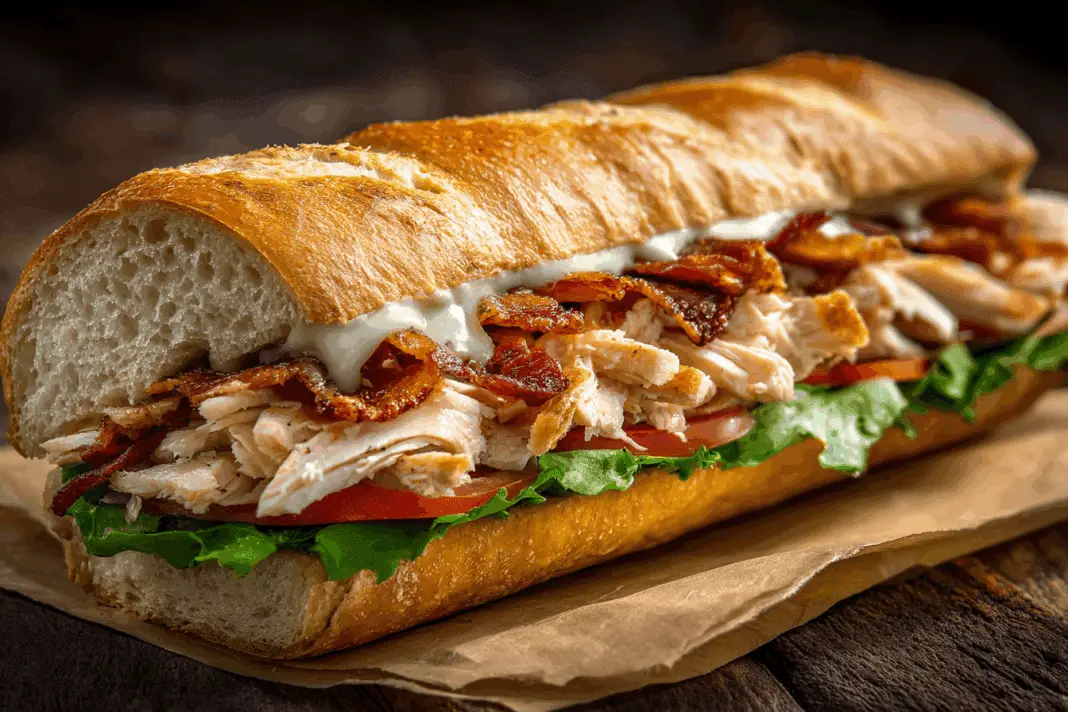
Sandwiches are supposed to be simple, right? Bread, meat, maybe some cheese, and you’re done. Yet somehow, some of the biggest sandwich chains in America are struggling to keep their restaurants open. It turns out that even the most basic food concepts can fail when prices go up, customers stop showing up, and competitors start offering better options. Right now, several sandwich chains that used to have hundreds of locations are down to just a handful, and more closures are happening every month.
Quiznos went from thousands of stores to almost nothing
Remember when Quiznos was everywhere? The chain used to have nearly 5,000 locations back in the 2000s, making it one of the biggest sandwich shops in the country. Their toasted subs were different from what Subway was offering at the time, and people loved them. Fast forward to today, and Quiznos has fewer than 150 stores left in the United States. That’s a massive drop, and it didn’t happen overnight.
The problems started piling up in the late 2000s. Quiznos charged franchisees really high supply costs, which made it hard for store owners to make any money. Then the 2008 recession hit, and hundreds of locations closed in just two years. By 2014, the company filed for bankruptcy with $875 million in debt. Even though Quiznos tried to make a comeback, it never recovered from those early mistakes. Now it’s become one of the biggest examples of how a popular chain can completely collapse.
Subway is closing hundreds of restaurants every year
You might be shocked to hear that Subway is struggling, but it’s true. Even though Subway is still the largest restaurant chain in America by number of locations, it’s been closing stores for years. In 2024 alone, more than 600 Subway restaurants shut down. The chain peaked at around 27,000 locations back in 2015, but now it has fewer than 20,000 for the first time in two decades. That’s a huge decline for a company that once seemed unstoppable.
Part of the problem is that Subway franchisees aren’t happy with how the company operates. Store owners have to pay 8% of their sales in royalty fees plus another 4% for advertising, which adds up fast. On top of that, Subway has been opening stores too close to each other, forcing owners to compete for the same customers. The chain was sold to a private equity firm in 2023, which might bring changes, but for now, more closures seem likely. If you’ve noticed a Subway near you disappearing, you’re not alone.
Panera Bread is moving away from fresh baked bread
Panera Bread built its entire reputation on baking fresh bread in every store using a special sourdough starter from San Francisco. That was the whole point of going to Panera instead of somewhere else. But now, the chain is changing everything. Panera recently announced that it’s closing all of its fresh dough facilities and switching to a par-baked bread model. That means bread will be partially baked somewhere else, frozen, and then finished at Panera locations. It’s a huge shift from what made Panera special in the first place.
This change is happening alongside several closures of underperforming franchise locations around the country. Panera also rolled out its biggest menu makeover ever in 2024, which suggests that the company is trying to fix something that’s broken behind the scenes. When a chain that’s known for one specific thing starts changing that thing, it’s usually a sign that money is tight. Panera might still survive, but it won’t be the same place that people used to love for its fresh-baked bread.
Così filed for bankruptcy twice in four years
Così used to be a popular sandwich chain with more than 100 locations across 16 states and even some international spots. The chain was known for its flatbread sandwiches, which were made in open-flame stone-hearth ovens using an old recipe from Paris. But over the years, Così couldn’t keep up with the competition. The chain filed for bankruptcy in 2016, closing 29 company-owned stores in an attempt to turn things around. Unfortunately, that didn’t work.
Just four years later, Così filed for bankruptcy protection again in 2020. This time, the company decided to stop being a traditional sandwich shop and focus on catering instead. Today, Così is down to just 14 locations in the United States. The main problem was overexpansion, where the chain opened too many stores in areas that couldn’t support them. When you expand too fast without a solid plan, it’s really hard to recover from the mistakes. Così is still around, but it’s a shadow of what it used to be.
Which Wich lost more than half its stores since 2018
Which Wich became popular in the early 2000s by offering customizable sandwiches with fun names like the Wicked, which was loaded with turkey, ham, roast beef, pepperoni, bacon, and cheese. The chain grew to more than 430 locations by 2018, but then everything changed. The COVID-19 pandemic hit hard, and people stopped going out to eat as much. Which Wich started closing stores quickly, dropping to about 220 locations by 2023. Now, the chain has just over 130 restaurants left.
The closures happened for several reasons. Some franchisees decided to leave the business entirely, while others just couldn’t afford to renew their leases. The pandemic reduced foot traffic in shopping centers and business districts, which hurt chains like Which Wich that relied on lunchtime crowds. Even though the pandemic is over, the chain hasn’t bounced back. Losing more than half your stores in just a few years is a bad sign, and it’s unclear if Which Wich will be able to stop the decline anytime soon.
Blimpie couldn’t compete with bigger sandwich chains
Blimpie started in 1964 in New Jersey, and it grew fast by selling franchises. By 2002, the chain had around 2,000 locations across the United States and even some international stores. But Blimpie made some big mistakes that cost them almost everything. One of the worst decisions was trying to expand into convenience stores, kiosks, and carts instead of sticking with traditional restaurants. Those nontraditional locations didn’t make much money, and Blimpie ended up closing 155 underperforming stores between 2000 and 2001.
The chain changed ownership several times, which didn’t help. After being sold to a private investor group in 2002, Blimpie closed about 200 more stores before being sold again to Kahala Brands in 2006. The main problem was that Blimpie couldn’t keep up with bigger competitors like Subway and Jersey Mike’s. Poor management and overexpansion into the wrong locations hurt the chain badly. Today, Blimpie still exists, but it’s a tiny fraction of what it used to be, and most people under 30 have probably never even heard of it.
Eegee’s filed for bankruptcy after rapid expansion failed
Eegee’s is an Arizona-based chain that’s famous for its frozen fruit drinks, but it also serves toasted sandwiches and cold subs. The chain started in 1971 as a vending truck selling drinks at schools and sports events, then eventually opened physical locations. By 2018, Eegee’s had 24 stores, and a private equity firm bought the company with plans to expand quickly. Within four years, the chain grew to 35 locations, but that growth wasn’t sustainable.
In 2024, Eegee’s filed for Chapter 11 bankruptcy protection, citing problems from the pandemic, inflation, labor shortages, and high maintenance costs. The company owed about $3.1 million in unsecured debts and was in a legal fight with its distributor, Sysco. By the time bankruptcy proceedings started, Eegee’s had already closed several stores and was down to 25 locations. Expanding too fast can backfire, especially when you don’t have the money or infrastructure to support all those new restaurants. Eegee’s is still around for now, but it’s not clear how long it can last.
Au Bon Pain closed its last Boston location in 2024
Au Bon Pain means “where the good bread’s at” in French, and the chain started in Boston in 1976. It began as a place to showcase baking ovens, but eventually shifted to selling French bakery items, sandwiches, soups, and coffee. By the mid-1990s, the chain was losing millions of dollars every year, including a $4.36 million loss in 1996. After some changes to the menu and management, Au Bon Pain grew to more than 200 locations by 2012.
But the good times didn’t last. Today, Au Bon Pain is down to just 30 locations in 12 states. The chain even closed its last restaurant in Boston, the city where it all started, in 2024. That’s a pretty clear sign that things aren’t going well. People blame weak sales and the effects of COVID-19 for the decline. When a chain closes its original location in its hometown, it usually means the company is struggling to stay relevant. Au Bon Pain might not disappear completely, but it’s definitely not the successful chain it used to be.
Arby’s closed stores in eight states during 2025
Arby’s is known for its roast beef sandwiches and the slogan “We have the meats,” but even this popular chain is closing locations. In 2024, 48 Arby’s restaurants shut down, and at least 14 more have closed in 2025. The closures are happening in eight different states, including California, Delaware, Florida, Maryland, New Jersey, South Carolina, Tennessee, and Washington. Arby’s parent company, Inspire Brands, hasn’t said much about why this is happening, but local news reports show the pattern is real.
Arby’s still has more than 3,000 locations worldwide and made nearly $30 billion in sales last year, so it’s not about to disappear. But the closures are part of a bigger problem across the fast food industry. People are eating out less, prices are going up, and competition is getting tougher. Arby’s struggles show that even chains with strong brand names can’t avoid the economic pressures that are affecting restaurants everywhere. If your local Arby’s closes, it’s probably not because of anything specific to that location—it’s just part of a bigger trend.
Watching these sandwich chains struggle is a reminder that even simple food concepts can fail when things go wrong. High prices, bad management decisions, too much expansion, and changing customer habits have all played a role in these closures. Some chains might recover, but others will probably keep shrinking until they’re gone completely. If you have a favorite sandwich shop, enjoy it while you can—it might not be around forever.
