

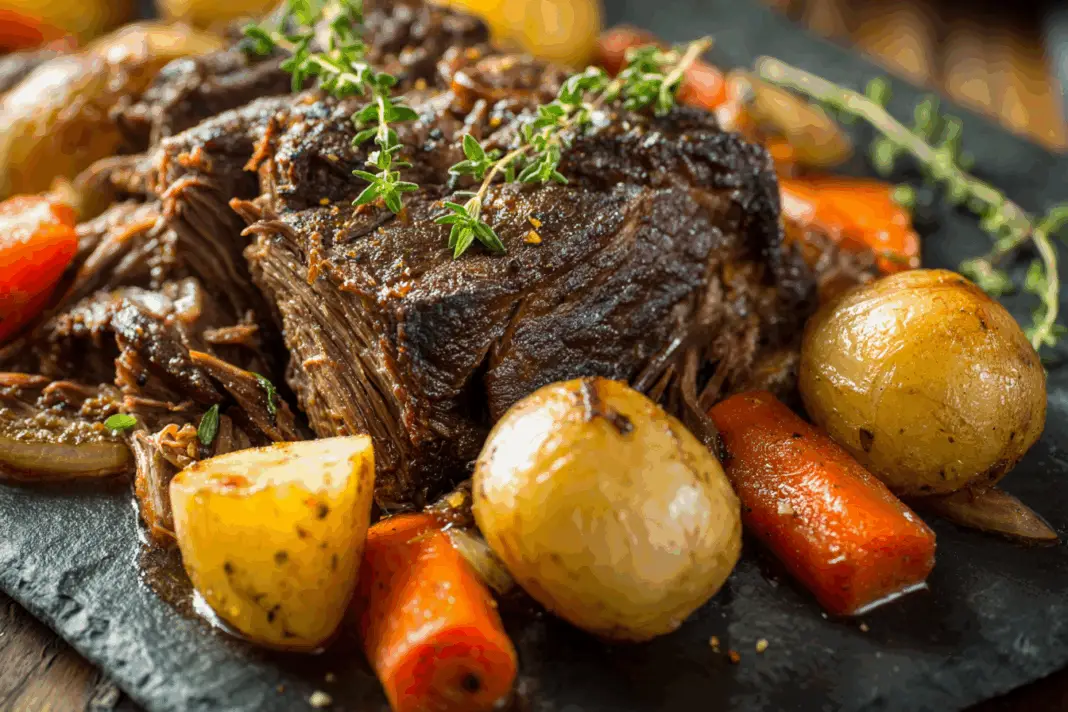
Nothing’s worse than spending eight hours making pot roast only to end up with meat so tough you need a steak knife just to cut through it. The good news? Making fall-apart tender pot roast isn’t rocket science – it just requires knowing a few key secrets that most home cooks never learn. Once you master these simple techniques, you’ll never serve chewy, disappointing roast again.
Chuck roast is your secret weapon
Most people think expensive cuts make the best roasts, but that’s completely backwards. Chuck roast, with all its marbled fat and connective tissue, transforms into pure magic when cooked properly. This affordable cut starts out tough, but those tough fibers break down into gelatin during long, slow cooking, creating incredibly tender meat that practically melts in your mouth.
Skip the lean cuts like eye of round or bottom round – they’ll never achieve that fall-apart texture no matter how long you cook them. Look for a 3-pound chuck roast with good marbling throughout. Don’t worry about trimming off every bit of fat either – that fat keeps the meat moist and adds incredible flavor during the long cooking process.
Searing creates the flavor foundation
Skipping the searing step is like building a house without a foundation – technically possible, but the results will be disappointing. Searing doesn’t “lock in juices” like many people believe, but it does create a beautiful crust full of complex flavors through the Maillard reaction. Heat your skillet until it’s smoking hot, then sear each side of the roast for 2-3 minutes until deep golden brown.
After searing, don’t waste those beautiful brown bits stuck to the pan! Pour your beef broth into the hot skillet and scrape up all those caramelized pieces – they’ll add incredible depth to your final gravy. This technique, called deglazing, transforms ordinary beef broth into liquid gold that makes your roast taste like it came from a fancy restaurant.
Patience beats high heat every time
Here’s where most people go wrong – they get impatient and crank up the heat. High temperature cooking works great for steaks, but it’s the enemy of tender pot roast. Those tough connective tissues in chuck roast need time and gentle heat to break down properly. Rushing the process with high heat will give you meat that’s cooked through but still chewy and disappointing.
Plan for at least 7-8 hours on low heat, or 3.5-4 hours on high if you’re really pressed for time. The meat is done when you can easily shred it with two forks – if it’s still holding together in one piece, it needs more time. Don’t worry about overcooking; chuck roast is forgiving and will stay moist as long as there’s liquid in the slow cooker.
Simple seasonings work best
Don’t overthink the seasoning – pot roast should taste like beef, not a spice rack explosion. A combination of salt, pepper, and a few herbs creates the perfect flavor profile without overwhelming the natural taste of the meat. Montreal steak seasoning mixed with dried thyme makes an excellent blend, or you can go with classic herbs like rosemary, thyme, and bay leaves.
Season the roast generously on all sides before searing, then add your aromatics to the slow cooker. Sliced onions, minced garlic, and a splash of Worcestershire sauce round out the flavor profile perfectly. Some cooks add a tablespoon of brown sugar for subtle sweetness, but this is completely optional – the caramelized onions provide natural sweetness as they cook down.
Cutting the roast changes everything
Here’s a game-changing tip that most recipes don’t mention: cutting your roast into smaller pieces before cooking dramatically improves tenderness. Instead of cooking one massive chunk of meat, cut your 3-pound roast into 4-6 serving-sized pieces. This exposes more surface area to the moist heat, allowing the tough fibers to break down more efficiently.
Smaller pieces also cook more evenly, preventing the outside from drying out while the center stays tough. Each piece gets thoroughly seasoned and seared, creating more of that delicious crust flavor throughout the roast. The result is meat that falls apart effortlessly and has better flavor distribution than a whole roast cooked in one piece.
Liquid amount matters more than you think
Too much liquid creates a boiled taste, while too little leads to dry, tough meat. The sweet spot is about 1 cup of beef broth for a 3-pound roast – enough to create steam for moist cooking, but not so much that you’re essentially boiling the meat. The liquid should come about halfway up the sides of the meat pieces in your slow cooker.
Beef broth works better than water because it adds extra flavor, but you can also use a combination of broth and other liquids. Some cooks add a splash of red wine or extra Worcestershire sauce for depth. Just remember that the liquid will concentrate as it cooks, so don’t go overboard with strong flavors that might become overpowering after hours of simmering.
Perfect gravy from the cooking liquid
That rich, flavorful liquid left in your slow cooker after cooking isn’t just broth – it’s the foundation for incredible gravy. About an hour before your roast is done, mix 1 tablespoon of cornstarch with 1/3 cup cold water to create a slurry. Stir this mixture into the cooking liquid (not directly over the meat) and let it cook for the final hour to thicken.
The cornstarch will thicken the liquid into a rich, glossy gravy that coats the back of a spoon. If it’s not thick enough after an hour, remove the lid and let some moisture evaporate, or add a little more cornstarch slurry. This gravy is absolutely perfect over mashed potatoes or egg noodles, completing the ultimate comfort food meal.
Timing vegetables prevents mushy disasters
Adding vegetables to pot roast seems natural, but throwing everything in at the same time leads to mushy, overcooked veggies that fall apart when you try to serve them. Root vegetables like potatoes and carrots can handle longer cooking times, but even they benefit from being added partway through the process rather than from the very beginning.
If you want vegetables in your pot roast, add them during the last 2-3 hours of cooking. Cut potatoes into large chunks and carrots into thick pieces so they hold their shape. Baby carrots cook faster than regular carrots, so add them even later. For the best results, many cooks prefer to serve the roast and gravy over mashed potatoes with vegetables cooked separately.
Remove the fat before serving
While fat is essential during cooking for flavor and moisture, nobody wants to bite into a chunk of pure fat at dinner time. After your roast is done, carefully transfer it to a cutting board and gently separate the tender meat from any remaining fatty sections. This step takes just a few minutes but makes a huge difference in the eating experience.
The meat should separate easily from the fat – if it doesn’t, the roast probably needs more cooking time. Once you’ve removed the fat, you can either slice the meat into thick pieces or leave it in large, pull-apart chunks. Either way, make sure to ladle plenty of that rich gravy over the top before serving. Your family will think you’ve been secretly taking cooking classes when they taste this incredibly tender, flavorful roast.
Making perfect pot roast isn’t about expensive ingredients or fancy equipment – it’s about understanding how tough cuts of meat transform with time, moisture, and gentle heat. Master these techniques once, and you’ll have a go-to recipe that delivers restaurant-quality results every single time. Your slow cooker is about to become your new best friend for easy, impressive dinners that fill the house with amazing aromas all day long.
Fall-Apart Slow Cooker Pot Roast
Course: Dinner6
servings20
minutes8
minutes425
kcalTransform tough chuck roast into incredibly tender, fork-shredding perfection with this foolproof slow cooker method that creates restaurant-quality results every time.
Ingredients
3 pounds chuck roast, cut into 4-6 serving pieces
2 tablespoons olive oil
2 tablespoons Montreal steak seasoning
1 tablespoon dried thyme
1 medium onion, sliced
3-4 cloves garlic, minced
1 cup beef broth
1-2 tablespoons Worcestershire sauce
1 tablespoon cornstarch mixed with 1/3 cup water
Directions
- Cut the chuck roast into 4-6 serving-sized pieces, trimming excess fat if needed. Coat each piece with olive oil, then generously season all sides with the steak seasoning and thyme mixture. Let the meat sit at room temperature for 15-20 minutes while you prepare other ingredients.
- Heat a large skillet over high heat until smoking hot. Sear each piece of roast for 2-3 minutes per side until deeply browned and caramelized. Work in batches to avoid overcrowding the pan, which would cause the meat to steam rather than sear. Transfer seared pieces to your slow cooker.
- Add the sliced onions to the same hot skillet and cook for 2-3 minutes until lightly browned. Pour the beef broth into the skillet and scrape up all the caramelized bits from the bottom using a wooden spoon. This deglazing step captures incredible flavor that would otherwise be wasted.
- Pour the hot broth and onions over the seared meat in the slow cooker. Add the minced garlic and Worcestershire sauce, stirring gently to distribute. The liquid should come about halfway up the sides of the meat pieces – add more broth if needed.
- Cover and cook on low for 7-8 hours, or on high for 3.5-4 hours if pressed for time. The roast is done when it easily shreds with a fork and the connective tissues have broken down. Avoid lifting the lid frequently, as this releases heat and extends cooking time.
- During the final hour of cooking, prepare the cornstarch slurry by whisking cornstarch with cold water until completely smooth. Stir this mixture into the cooking liquid around the meat (not directly over it) to prevent lumps. Replace the lid and continue cooking for the remaining hour.
- Carefully remove the tender meat pieces from the slow cooker and place on a cutting board. Gently separate the meat from any remaining fatty sections and discard the fat. The meat should pull apart easily into large, succulent chunks.
- Arrange the meat on a serving platter and ladle the thickened gravy generously over the top. Serve immediately with mashed potatoes, egg noodles, or crusty bread to soak up the rich, flavorful gravy. Store leftovers in the refrigerator for up to 4 days.
Notes
- For best results, choose a chuck roast with good marbling throughout – the fat keeps the meat moist and adds incredible flavor during cooking
- Don’t skip the searing step as it creates essential flavor compounds that make the difference between good and amazing pot roast
- If your gravy isn’t thick enough after adding cornstarch, remove the lid and cook on high for 15-20 minutes to evaporate excess liquid
Frequently asked questions
Q: Can I cook this pot roast on high heat to save time?
A: While you can cook on high for 3.5-4 hours, low and slow cooking produces much more tender, moist results. The extra time allows tough connective tissues to break down properly, creating that perfect fall-apart texture.
Q: What’s the best way to know when my pot roast is done?
A: Test with a fork – the meat should shred easily and fall apart without resistance. If it’s still holding together in solid pieces or feels chewy, it needs more cooking time regardless of how long it’s been in the slow cooker.
Q: Can I add potatoes and carrots to cook with the roast?
A: Yes, but add them during the last 2-3 hours of cooking to prevent them from becoming mushy. Cut vegetables into large pieces so they hold their shape, and remember that baby carrots cook faster than regular-sized ones.
Q: Why do I need to cut the roast into smaller pieces before cooking?
A: Cutting the roast exposes more surface area to the moist heat, allowing tough fibers to break down more efficiently. It also ensures more even cooking and prevents the outside from drying out while the center stays tough.
