

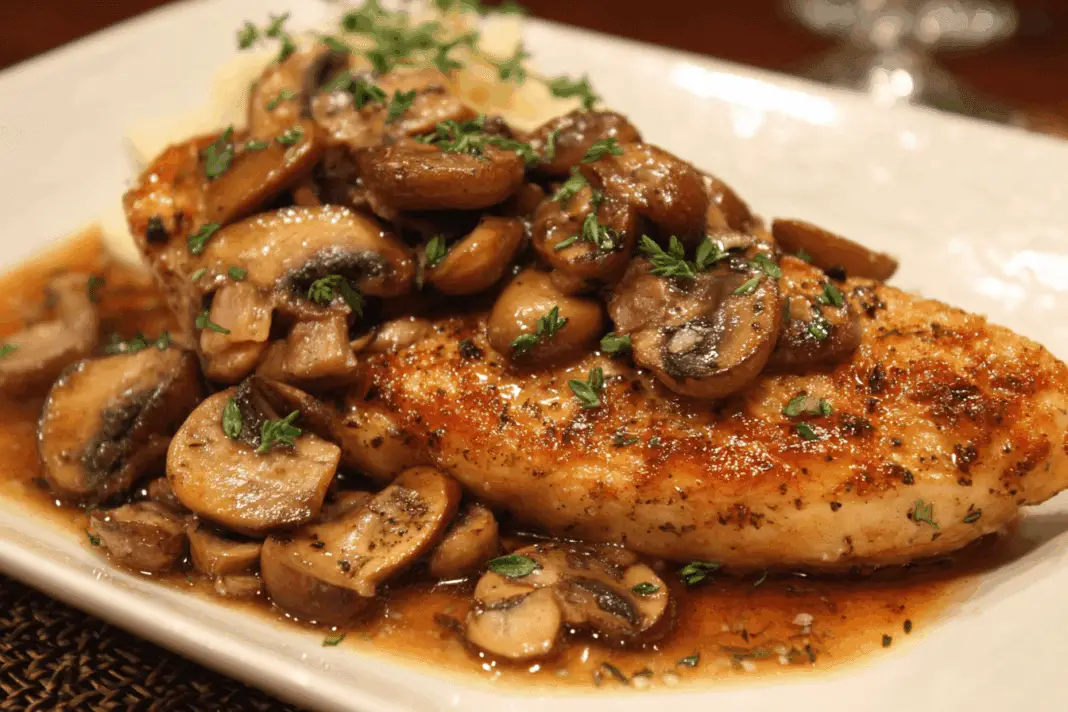
Restaurant chicken marsala costs around $18-25 per plate, but making this Italian-American classic at home takes just 45 minutes and costs about $6 per serving. The secret isn’t complicated techniques or expensive ingredients – it’s knowing which shortcuts actually work and which ones ruin the dish completely. Most home cooks make the same handful of mistakes that turn what should be tender, golden chicken in a rich wine sauce into tough, bland disappointment.
Using the wrong marsala wine ruins everything
Sweet marsala wine might seem like the obvious choice, but it creates a cloying sauce that overwhelms the chicken and mushrooms. The sugar content in sweet marsala caramelizes too quickly, creating bitter, burnt notes that no amount of cream can fix. Professional kitchens exclusively use dry or semi-dry marsala because it provides the nutty, complex wine flavor without the dessert-like sweetness that home cooks accidentally create.
Brands like Cantine Pellegrino or Florio offer excellent dry marsalas that are specifically designed for cooking. These fortified wines from Sicily contain just enough brandy to create depth without dominating the dish. Store marsala in a cool, dry place after opening – it keeps for months and improves the more you use it for cooking.
Thick chicken breasts cook unevenly and get tough
Those massive chicken breasts from warehouse stores look impressive, but they’re chicken marsala’s biggest enemy. Thick pieces cook unevenly – the outside gets overcooked and rubbery while the inside stays raw. The solution involves either pounding the breasts to a quarter-inch thickness or cutting them horizontally into thinner cutlets. This extra step takes five minutes but transforms tough meat into tender, restaurant-quality chicken.
Chicken tenderloins work perfectly as a shortcut since they’re naturally thin and cook quickly. Place each piece between plastic wrap and gently pound with a meat mallet or rolling pin until uniformly flat. Properly prepared chicken cooks in just 5-6 minutes total, staying juicy while developing that golden crust that makes restaurant marsala so appealing.
Nonstick pans prevent proper browning
Nonstick skillets seem convenient, but they can’t reach the high temperatures needed for proper browning. The chicken stays pale and doesn’t develop those flavorful brown bits that become the foundation of great marsala sauce. Stainless steel or cast iron pans get hot enough to create the Maillard reaction – the chemical process that creates complex, savory flavors and that beautiful golden color restaurants achieve.
Medium-high heat with a combination of olive oil and butter creates the perfect browning environment. The oil prevents the butter from burning while the butter adds richness and helps achieve that restaurant-quality golden crust. Don’t move the chicken around once it hits the pan – let it develop that crust for about 3 minutes before flipping.
Skipping the flour coating makes bland chicken
Many home cooks skip the flour-dredging step, thinking it’s unnecessary, but flour serves multiple purposes in chicken marsala. It creates a barrier that keeps the chicken juicy while developing a golden crust that looks professional. The flour also helps thicken the sauce naturally as it cooks, eliminating the need for additional thickeners that can make the sauce gluey or artificial-tasting.
Season the flour with salt and pepper before coating the chicken pieces. Shake off excess flour to prevent clumping, but make sure each piece has an even coating. The flour coating should be light and even – a thick, heavy coating creates a gummy texture that no amount of sauce can improve.
Overcrowding the pan creates steamed chicken
Cramming all the chicken pieces into one pan at once drops the temperature and creates steam instead of that crucial browning. The chicken essentially boils in its own juices, resulting in pale, tough meat that looks nothing like restaurant quality. Professional kitchens cook in batches to maintain proper heat and achieve consistent browning on every piece.
Leave space between each piece of chicken – they shouldn’t touch each other. If the pan seems crowded, cook in two batches rather than compromising the entire dish. The chicken finishes cooking in the sauce anyway, so batch cooking doesn’t add significant time to the overall process but dramatically improves the final result.
Using button mushrooms instead of cremini lacks depth
Button mushrooms are cheap and convenient, but they’re mostly water with minimal flavor. Cremini mushrooms (baby bellas) have a deeper, earthier taste that complements the marsala wine much better. The extra dollar spent on better mushrooms makes a noticeable difference in the final dish – restaurant marsala gets much of its rich, complex flavor from high-quality mushrooms.
Pre-sliced mushrooms save time without sacrificing quality, but avoid packages with excess moisture or slimy spots. Fresh cremini mushrooms should feel firm and have a clean, earthy smell. Cook them until they release their moisture and start browning – this concentrates their flavor and prevents the sauce from becoming watery.
Not reducing the sauce properly creates thin, weak marsala
Patience makes the difference between restaurant-quality marsala sauce and disappointing home attempts. The sauce needs 10-15 minutes of gentle bubbling to reduce by half, concentrating the wine and developing that rich, glossy appearance. Many home cooks rush this step, serving thin sauce that slides off the chicken instead of coating it beautifully.
The sauce should coat the back of a spoon when properly reduced. Proper reduction also mellows the wine’s sharpness while intensifying its complex flavors. Don’t cover the pan during reduction – the steam needs to escape for the sauce to thicken properly. The sauce will continue thickening slightly when the chicken is added back to the pan.
Adding cream too early breaks the sauce
Heavy cream added to boiling liquid can curdle and separate, creating an unappetizing broken sauce that looks grainy instead of smooth. The cream should be added after the wine and stock have reduced and the heat has been lowered to prevent curdling. Room temperature cream incorporates more smoothly than cold cream straight from the refrigerator.
Some recipes skip cream entirely, using only wine and stock for a lighter sauce. However, cream adds richness and helps marry all the flavors together. The key is adding it at the right moment – after reduction but before the final simmer with the chicken. This timing ensures a smooth, restaurant-quality sauce every time.
Forgetting to scrape up the brown bits wastes flavor
Those brown bits stuck to the bottom of the pan after cooking chicken aren’t burnt food – they’re concentrated flavor that transforms ordinary sauce into something special. These fond bits dissolve when wine is added, creating the complex, savory base that makes restaurant marsala taste so much better than home versions. Ignoring them wastes the best part of the dish.
Use a wooden spoon to scrape up all the brown bits when adding the wine and stock. This process, called deglazing, releases those caramelized flavors into the sauce. The wine will bubble vigorously at first – this is normal and helps incorporate all those delicious browned bits that give professional marsala its distinctive depth and complexity.
Making restaurant-quality chicken marsala at home isn’t about expensive ingredients or complicated techniques. It’s about understanding which details matter and which shortcuts actually work. Skip the sweet wine, pound the chicken thin, use a proper pan, and give the sauce time to reduce properly. These simple changes transform a mediocre home dish into something that rivals expensive restaurant versions.
Restaurant-Style Chicken Marsala
Course: Dinner4
servings15
minutes30
minutes537
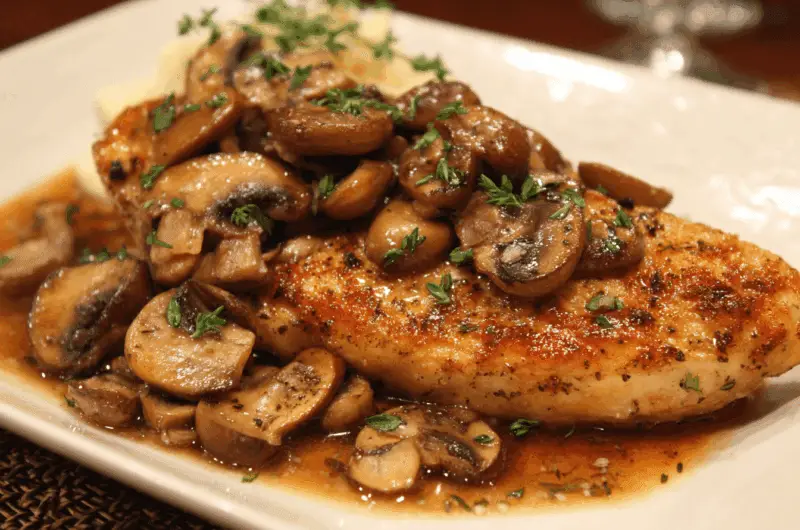
kcalGolden pan-fried chicken cutlets in a rich marsala wine sauce with mushrooms that taste exactly like your favorite Italian restaurant.
Ingredients
1½ pounds boneless skinless chicken breasts, pounded ¼-inch thick
3 tablespoons all-purpose flour
Salt and freshly ground black pepper
1 tablespoon olive oil
3 tablespoons unsalted butter, divided
8 oz package pre-sliced cremini mushrooms
3 tablespoons finely chopped shallots
2 cloves garlic, minced
⅔ cup dry marsala wine
⅔ cup chicken broth
⅔ cup heavy cream
2 teaspoons chopped fresh thyme
2 tablespoons chopped fresh parsley for garnish
Directions
- If chicken breasts are large, cut them horizontally to create four flat fillets. Pound each piece to an even ¼-inch thickness using a meat mallet or rolling pin. This ensures even cooking and tender results.
- Place flour, ¾ teaspoon salt, and ¼ teaspoon pepper in a ziplock bag. Add chicken pieces to the bag, seal tightly, and shake to coat evenly. Remove chicken and shake off excess flour before cooking.
- Heat olive oil and 2 tablespoons butter in a large stainless steel skillet over medium-high heat. When hot, add chicken pieces without overcrowding. Cook for 5-6 minutes total, turning once, until golden brown and just cooked through.
- Transfer chicken to a plate and set aside. Melt the remaining tablespoon of butter in the same skillet. Add mushrooms and cook, stirring frequently, until they begin to brown, about 3-4 minutes.
- Add shallots, garlic, and ¼ teaspoon salt to the mushrooms. Cook for 1-2 minutes more until fragrant. The shallots should be softened but not browned.
- Add marsala wine, chicken broth, heavy cream, thyme, ¼ teaspoon salt, and ⅛ teaspoon pepper. Use a wooden spoon to scrape up all the brown bits from the bottom of the pan. Bring to a boil, then reduce the heat to medium.
- Gently boil the sauce uncovered for 10-15 minutes until reduced by about half and darkened in color. The sauce should coat the back of a spoon when properly reduced. Don’t cover the pan during this step.
- Return chicken to the pan along with any accumulated juices. Reduce the heat to low and simmer for 2-3 minutes until the chicken is warmed through and the sauce thickens slightly. Sprinkle with fresh parsley before serving.
Notes
- Use only dry or semi-dry marsala wine, never sweet marsala, which creates a cloying sauce
- Chicken tenderloins work as a shortcut since they’re naturally thin and don’t need pounding
- Stainless steel pans work best for proper browning – nonstick won’t achieve the same golden color
- The sauce won’t start thickening until the very end of the reduction time, so be patient
- Serve immediately over pasta, rice, or mashed potatoes to catch every drop of sauce
Frequently Asked Questions
Q: Can I substitute the marsala wine with something else?
A: Dry sherry or Madeira wine works as a substitute, but they’ll change the flavor profile. White wine with a splash of brandy can work in a pinch, but won’t provide the same nutty, complex taste that makes marsala special.
Q: How do I know when the sauce is reduced enough?
A: The sauce should coat the back of a spoon and appear darker and glossier than when you started. It typically takes 10-15 minutes of gentle bubbling to reduce by half. The sauce will continue thickening slightly when the chicken is added back.
Q: Can I make this ahead of time?
A: Chicken marsala is best served immediately, but you can prepare the components separately. Cook the chicken and make the sauce, then combine and reheat gently. The sauce may need a splash of broth when reheating to restore the proper consistency.
Q: What should I serve with chicken marsala?
A: The rich sauce pairs perfectly with pasta, creamy mashed potatoes, or risotto. Simple sides like steamed vegetables or a crisp green salad help balance the richness. Crusty bread is essential for soaking up every drop of sauce.
