

Sunday dinners used to be a big deal. Families would gather around the table after church, and grandma would serve up dishes that took hours to prepare. These weren’t your quick weeknight meals – they were special recipes that filled the house with amazing smells and brought everyone together. But somewhere along the way, many of these classic Sunday dinners quietly disappeared from our tables. Some got replaced by frozen versions, others fell out of favor as our tastes changed, and a few just seemed too time-consuming for modern life. Let’s take a look at some of these forgotten favorites that used to be Sunday staples.
Chicken and dumplings went from homemade to forgotten
Remember when grandma would simmer a whole chicken for hours, then drop fluffy dumplings right into the broth? This Southern favorite was the ultimate comfort food, with tender pieces of chicken swimming in rich, creamy gravy alongside pillowy dumplings. The whole process took most of the afternoon, but nobody minded because the results were worth it. Each family had their own way of making the dumplings – some rolled them thin, others dropped them in by the spoonful.
These days, you’re more likely to find canned chicken soup or frozen pot pies in people’s kitchens than a pot of homemade chicken and dumplings bubbling away on the stove. The dish requires patience and a certain comfort level with making dough from scratch, which many people don’t have time for anymore. Plus, younger generations often didn’t learn how to make it properly, so the recipes got lost along the way. It’s still served in some Southern restaurants, but it’s rarely the centerpiece of Sunday dinner like it used to be.
Beef stroganoff became a frozen dinner instead
Beef stroganoff used to be fancy enough for company but easy enough for Sunday dinner. The dish came from Russia and involved tender strips of beef cooked in a creamy sauce with mushrooms and sour cream, served over egg noodles. It had this rich, savory taste that made everyone ask for seconds. The beef would simmer until it practically melted in your mouth, and the sauce was thick enough to coat every noodle perfectly. Families loved it because you could let it cook while you did other things.
The problem started when companies like Lean Cuisine turned beef stroganoff into a diet frozen dinner in the 1980s. Suddenly, people associated this once-elegant dish with sad little plastic trays and rubbery meat. The frozen versions never captured the creaminess or the tender beef of the original, but they became what most people thought of when they heard “beef stroganoff.” Now, if you mention making it from scratch, people look at you like you’re suggesting something incredibly complicated, even though it’s really not that hard.
Turkey tetrazzini disappeared after Thanksgiving leftovers
Turkey tetrazzini was that amazing casserole that showed up a few days after Thanksgiving, loaded with pasta, turkey, mushrooms, and a creamy sauce topped with cheese. It was named after an opera singer, which somehow made it feel special even though it was basically a way to use up leftover turkey. The dish combined spaghetti with chunks of turkey in a sauce made from cream of mushroom soup, butter, and lots of cheese. Some families added peas or almonds for extra texture.
People don’t make turkey tetrazzini much anymore, partly because fewer families are roasting whole turkeys outside of the holidays. When Thanksgiving rolls around, leftover turkey usually gets turned into sandwiches or soup instead. The cream-heavy sauce also fell out of favor as people started watching their fat intake more carefully. School cafeterias used to serve it regularly, but even there it’s been replaced by other options. It’s a shame because it was genuinely delicious and made the most of expensive ingredients.
Liver and onions divided families at dinner
Liver and onions were one of those dishes that people either loved or absolutely hated – there was no middle ground. During the Depression and World War II, families ate it because liver was cheap and packed with iron. The traditional preparation involved slicing beef or lamb liver, frying it with onions in butter, and serving it over mashed potatoes with gravy. When done right, the onions added sweetness that balanced out the strong taste of the liver. Many grandmas insisted it was good for you and made you strong.
The dish has mostly vanished from Sunday tables because, let’s be honest, a lot of people can’t stand the taste. Kids especially hated it, and once those kids grew up, they didn’t exactly rush to make it for their own families. Liver and onions are still popular in parts of the upper Midwest, but elsewhere it’s considered old-fashioned at best. Younger cooks aren’t comfortable preparing organ meats, and grocery stores have responded by stocking less of it. Even though it has its own holiday on May 10th, don’t expect to see it trending on social media anytime soon.
Stuffed peppers looked sad on the plate
Stuffed bell peppers used to show up at Sunday dinners pretty regularly. The recipe was simple – hollow out bell peppers and fill them with a mixture of ground beef, rice, tomato sauce, and seasonings, then bake until the peppers were soft. They were filling, relatively inexpensive, and you could make them ahead of time. Each pepper was like its own little meal, and families could customize the filling based on what they had in the pantry. Some added cheese on top, others mixed in extra vegetables.
The problem was that stuffed peppers never looked particularly appetizing on the plate. As one person put it, they were just sad and shriveled after baking. Kids especially weren’t fans of the soft, almost slimy texture of the cooked pepper. The dish also took a fair amount of prep work – you had to cook the filling, stuff each pepper individually, and then bake everything for another 45 minutes. For all that effort, you ended up with something that looked kind of depressing. Nowadays, people would rather just make a skillet meal with the same ingredients and skip the pepper shells entirely.
Swiss steak confused people about the name
Swiss steak has nothing to do with Switzerland, which probably didn’t help its popularity. The name comes from a technique called “swissing,” where you pound tough cuts of beef to make them tender. The meat would get coated in flour, browned in a pan, then slow-cooked in tomato sauce with onions and sometimes peppers. It was perfect for Sunday dinner because you could use cheaper cuts of meat and the long cooking time made them tender and flavorful. The sauce would get thick and rich, perfect for spooning over mashed potatoes or rice.
People stopped making Swiss steak as often once they could afford better cuts of meat and didn’t need to tenderize tough ones. The pounding technique also seemed old-fashioned, and not many people owned a meat mallet anymore. The dish requires several hours of cooking, which doesn’t fit well with busy modern schedules. Some families still make it occasionally, but it’s become rare enough that many younger people have never even heard of it. When they do hear the name, they usually assume it has cheese in it or comes from Switzerland.
Chicken Kiev leaked butter everywhere
Chicken Kiev was considered pretty fancy back in the day – a flattened chicken breast wrapped around cold butter mixed with herbs, then breaded and fried until golden. When you cut into it, butter would pour out like a little fountain. It came from Russia or Ukraine, depending on who you ask, and became popular in America during the mid-1900s. The butter was supposed to be flavored with garlic and parsley, and the breading needed to be crispy enough to hold everything together. Getting it right took some skill.
The dish mostly disappeared because it was tricky to make and messy to eat. If the butter leaked out during cooking, you’d end up with a greasy mess in your oven. If it leaked out while eating, you’d splatter butter all over your shirt. Chicken Kiev also fell victim to the low-fat diet trend – it’s basically chicken stuffed with pure butter, which didn’t exactly fit the health-conscious image people wanted. You can occasionally find frozen versions in the supermarket, but they never taste as good as homemade. Most people decided it was easier to just make regular breaded chicken and skip the complicated butter fountain.
Salisbury steak was really just a fancy hamburger
Salisbury steak tried to make ground beef sound more sophisticated than it really was. The dish consisted of seasoned ground beef patties shaped like steaks, covered in brown gravy with mushrooms and onions. It was named after Dr. James Salisbury, who believed eating ground beef three times a day would cure various ailments. For Sunday dinner, the patties would be thick and generously seasoned, then smothered in rich, homemade gravy. Served alongside mashed potatoes and green beans, it was a hearty meal that didn’t break the bank.
The reputation of Salisbury steak took a hit when it became a TV dinner staple. Those frozen versions featured thin, gray patties in gluey gravy that bore no resemblance to the real thing. People started associating the name with disappointing cafeteria food and cheap frozen dinners. Even though homemade Salisbury steak can be really good, the name itself became kind of embarrassing. Most people would rather just call it a hamburger steak or seasoned beef patty. The dish also seemed redundant once people realized they could just eat regular hamburgers or meatloaf instead.
Waldorf salad mixed fruit with mayonnaise
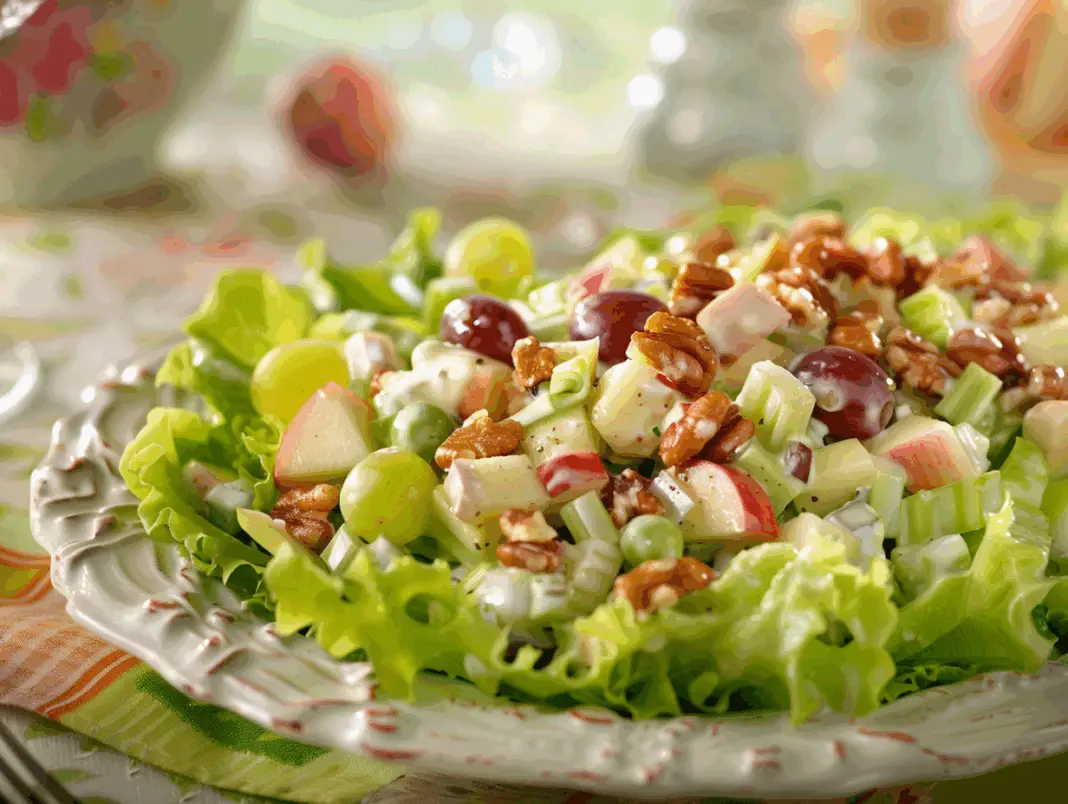
Waldorf salad first appeared at the Waldorf-Astoria Hotel in New York in the 1890s and became a Sunday dinner staple for decades. The original recipe combined diced apples, celery, walnuts, and grapes in a mayonnaise dressing. Some versions added raisins or swapped in different nuts. It was supposed to be refreshing and crunchy, with the mayo bringing everything together. Families would serve it on a bed of lettuce as a side dish or sometimes as a light dessert.
The combination of fruit and mayonnaise started seeming weird to people as food trends changed. Younger generations, especially, couldn’t get past the idea of coating apples in mayo. Waldorf salad fell into the same category as other retro “salads” that were more about mayonnaise than actual vegetables. It didn’t help that the dish could turn brown and mushy if it sat too long, especially once the apples oxidized. Some people still make it, particularly around the holidays, but it’s definitely not the regular Sunday side dish it once was. Most folks would rather just eat their fruit plain or in a proper fruit salad without the mayo.
These old-fashioned Sunday dinners might seem outdated now, but they represented something special – a time when families regularly sat down together for a homemade meal. Some of these dishes disappeared for good reasons, while others just fell victim to changing tastes and busier schedules. Maybe it’s worth bringing a few of them back, even if just occasionally. After all, there’s something nice about spending a Sunday afternoon cooking something that takes time and care, just like grandma used to do.
