

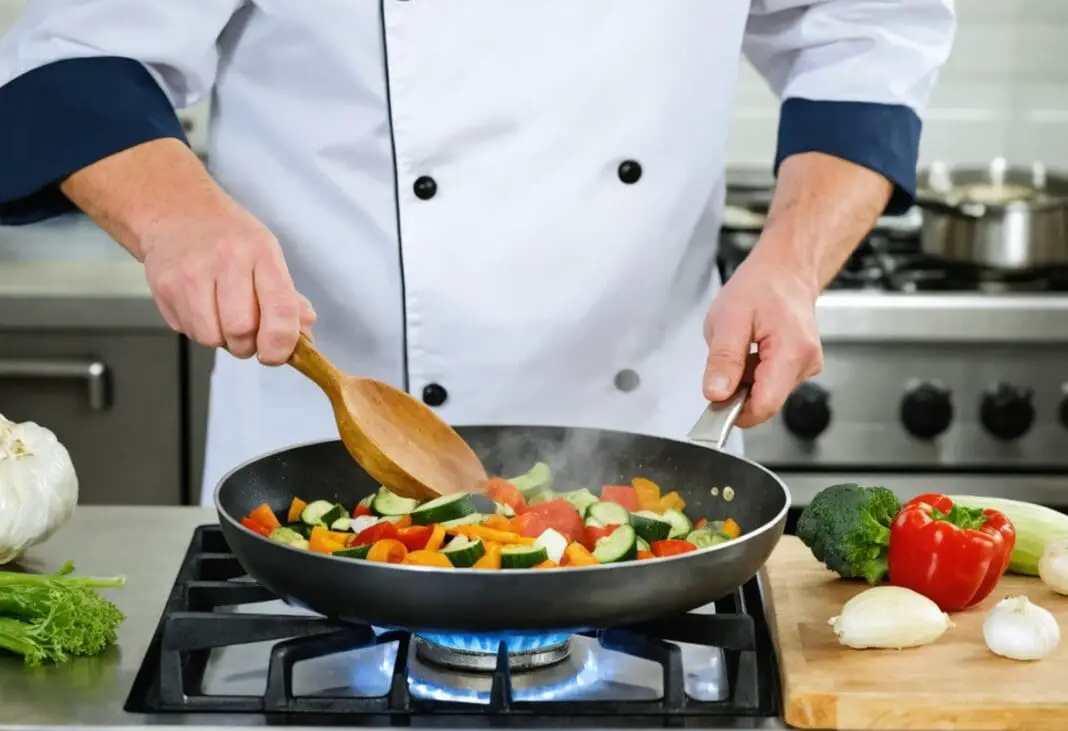
Ever wonder why that raw potato salad idea never made it onto restaurant menus? Professional chefs have learned through experience which vegetables should always hit the heat before hitting the plate. While raw food trends come and go, certain vegetables can actually be harmful, difficult to digest, or just plain unpleasant when eaten uncooked. Understanding which vegetables need cooking isn’t just about following rules – it’s about getting the most nutrition and avoiding some seriously uncomfortable digestive issues.
Potatoes contain natural toxins when raw
Raw potatoes might seem harmless, but they contain solanine, a natural compound that can cause serious stomach problems. This green-tinged toxin develops when potatoes are exposed to light and becomes concentrated in raw tubers. Eating raw potatoes can lead to nausea, vomiting, and severe digestive discomfort that can last for hours. The starchy texture also makes them nearly impossible to digest properly, creating additional stomach upset.
Cooking potatoes at high temperatures breaks down solanine completely, making them safe and delicious to eat. Whether you’re roasting, boiling, or frying, the heat transforms these potentially harmful compounds into harmless substances. Professional kitchens never serve raw potatoes because cooking eliminates the risk entirely while making the nutrients more available for absorption. Even a small amount of undercooked potato can cause problems, which is why chefs always ensure they’re thoroughly cooked through.
Eggplant needs heat to neutralize harmful compounds
Like potatoes, eggplants contain solanine that can cause digestive distress when consumed raw. The bitter, spongy texture of raw eggplant is unpleasant enough, but the real problem lies in the chemical compounds that can trigger stomach upset. Raw eggplant has been known to cause everything from mild nausea to more serious digestive issues. The flesh also contains compounds that can interfere with proper nutrient absorption in the digestive system.
Grilling, roasting, or sautéing eggplant transforms both its texture and safety profile completely. The cooking process breaks down the problematic compounds while bringing out the vegetable’s natural sweetness and creamy texture. Many Mediterranean and Middle Eastern cuisines have perfected techniques for cooking eggplant because traditional cooks understood instinctively that this vegetable requires heat. From baba ganoush to ratatouille, every classic eggplant dish involves thorough cooking for both safety and taste.
Spinach can harbor dangerous bacteria
Fresh spinach might look perfectly clean, but it’s actually one of the most common sources of E. coli contamination in vegetables. The leafy structure and growing conditions make spinach particularly susceptible to bacterial contamination that washing alone cannot eliminate. Raw spinach has been linked to numerous food poisoning outbreaks, with symptoms ranging from stomach cramps to more severe digestive problems. Even pre-washed, bagged spinach carries some risk when eaten completely raw.
Cooking spinach not only eliminates harmful bacteria but also makes its nutrients more available for absorption. The heat breaks down the cell walls, allowing the body to access more iron and other minerals. Professional chefs know that cooking leafy greens significantly reduces oxalates, compounds that can interfere with mineral absorption and contribute to kidney stone formation. A quick sauté or steaming is all it takes to make spinach both safer and more nutritious than its raw counterpart.
Brussels sprouts are nearly indigestible when raw
Raw Brussels sprouts are extremely tough and fibrous, making them difficult for most people to digest properly. The dense structure of these mini cabbages requires significant chewing just to break them down, and even then, they can cause uncomfortable gas and bloating. The strong, bitter compounds that make raw Brussels sprouts so unpalatable also indicate the presence of substances that are better neutralized through cooking. Many people who think they dislike Brussels sprouts have only tried them raw or severely overcooked.
Roasting or sautéing Brussels sprouts transforms them into sweet, caramelized vegetables that are much easier on the digestive system. The cooking process breaks down the tough fibers and mellows the bitter compounds that make them unpleasant raw. Restaurant chefs almost always serve Brussels sprouts cooked because proper preparation makes them not only edible but actually delicious. The heat brings out natural sugars while making the nutrients more bioavailable for the body to use effectively.
Broccoli causes digestive issues for many people
While raw broccoli might seem like a healthy snack, it’s actually quite difficult for many people to digest properly. The tough, fibrous structure requires extensive chewing, and even then, it can cause gas, bloating, and stomach discomfort. Raw broccoli contains compounds that can interfere with thyroid function when consumed in large amounts, and the dense cell walls make it harder for the body to access the vegetable’s beneficial nutrients. Many people avoid broccoli entirely because their only experience has been with raw florets that caused digestive upset.
Light steaming or quick sautéing makes broccoli much more digestible while preserving most of its nutritional value. The brief cooking process softens the tough fibers and breaks down some of the compounds that cause digestive problems. Professional kitchens typically blanch broccoli before using it in salads or other preparations because cooking methods like steaming actually increase the availability of certain antioxidants. The key is not overcooking – just enough heat to make it tender and easier to digest without turning it mushy.
Cabbage may contain harmful bacteria
Fresh cabbage can harbor dangerous bacteria like E. coli and Salmonella, especially in the outer leaves where contamination is most likely to occur. While cabbage is commonly eaten raw in coleslaw and salads, there’s always some risk of bacterial contamination that thorough washing cannot completely eliminate. The dense, layered structure of cabbage heads makes it particularly challenging to clean thoroughly, and bacteria can penetrate into the inner layers during processing or handling. Raw cabbage can also be quite tough and may cause digestive discomfort for sensitive individuals.
Cooking cabbage thoroughly eliminates any potential bacterial contamination while making it much easier to digest. Whether sautéed, steamed, or braised, cooked cabbage becomes tender and develops a sweet, mellow taste that many people prefer to the sharp bite of raw cabbage. Many traditional dishes like sauerkraut actually involve fermentation, which is another way to make cabbage safer and more digestible. Restaurant chefs often cook cabbage to eliminate any risk while enhancing its natural sweetness and improving its texture significantly.
Bell peppers might contain pesticide residues
Bell peppers are often heavily treated with pesticides during growing, and these chemical residues can concentrate in the seeds and inner membranes. While the flesh is generally safe to eat raw, the complete pepper – including seeds and white parts – may contain higher levels of chemical residues that washing alone cannot remove. Some bell peppers have also been found to occasionally harbor tapeworm eggs or other parasites, particularly in the seed cavity. The thick skin can also be difficult for some people to digest when eaten raw.
Cooking bell peppers helps break down pesticide residues and eliminates any potential parasites or harmful microorganisms. Roasting peppers until the skin chars and then peeling them removes the toughest part while concentrating the sweet taste. Many cuisines around the world traditionally cook bell peppers because heat treatment makes them safer and often more flavorful. Professional kitchens frequently roast or sauté peppers to enhance their natural sweetness while ensuring any potential contaminants are eliminated through proper cooking temperatures.
Colocasia leaves contain harmful oxalates
Colocasia leaves, also known as taro leaves or elephant ear leaves, contain high levels of oxalates that can cause serious health problems when consumed raw. These natural compounds can lead to kidney stone formation and interfere with calcium absorption in the body. Raw colocasia leaves also contain calcium oxalate crystals that can cause intense burning and irritation in the mouth and throat. Even small amounts of raw leaves can trigger uncomfortable symptoms that can last for several hours.
Traditional cooking methods for colocasia leaves always involve thorough cooking to break down the harmful oxalates and make them safe to eat. Boiling, steaming, or sautéing for extended periods reduces oxalate levels by up to 87 percent, making these nutritious leaves safe for consumption. Many traditional cuisines have developed specific techniques for preparing these leaves because cooking significantly reduces the harmful compounds while preserving the beneficial nutrients. Professional chefs who work with these leaves always ensure they’re cooked thoroughly to eliminate any risk of oxalate poisoning.
Mushrooms need heat to eliminate toxins
Many mushroom varieties contain natural toxins and tough, indigestible compounds that can cause stomach upset when eaten raw. Even common grocery store mushrooms can be difficult to digest and may contain small amounts of compounds that are neutralized through cooking. Raw mushrooms have a rubbery, unpleasant texture and can harbor bacteria or other microorganisms that washing doesn’t eliminate. The cell walls of mushrooms are particularly tough and require heat to break them down properly for digestion.
Cooking mushrooms not only improves their safety but also dramatically enhances their taste and texture. Sautéing, grilling, or roasting mushrooms breaks down the tough cell walls and concentrates their umami-rich compounds. Many varieties of mushrooms actually increase their antioxidant activity when cooked, making them more nutritious than their raw counterparts. Professional chefs rarely serve raw mushrooms because proper cooking transforms both their safety profile and their culinary potential, creating the rich, complex tastes that make mushrooms so prized in cooking.
Understanding which vegetables require cooking isn’t about limiting choices – it’s about making smarter ones. Professional chefs have learned these lessons through experience, and following their lead can help avoid uncomfortable digestive issues while unlocking better nutrition and taste. The next time someone suggests a raw potato chip or uncooked eggplant salad, remember that some vegetables simply perform better with a little heat applied first.
