

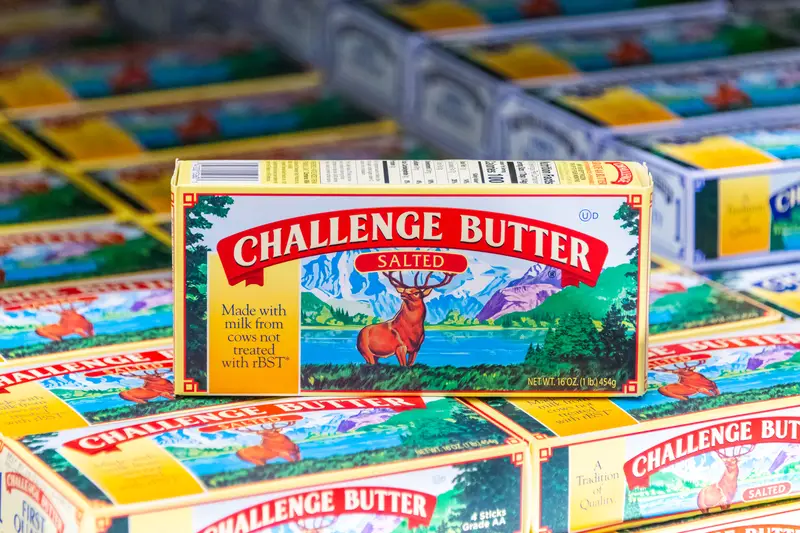
Most people keep both salted and unsalted butter in their fridge without really knowing when to use which one. It turns out that reaching for the wrong stick at the wrong time can actually mess up your baking in ways you might not expect. The salt content isn’t the only thing that changes between these two options, and understanding the differences can save you from some seriously disappointing desserts and pastries that just don’t turn out right.
Most cookie recipes need unsalted butter for consistency
When you’re following a cookie recipe, especially one you’ve never made before, stick with unsalted butter unless the recipe specifically calls for the salted version. Different butter brands add different amounts of salt to their products, and there’s no legal requirement for them to standardize it. One brand might add a quarter teaspoon per half cup while another adds slightly more or less. This variation makes it almost impossible to know exactly how much salt you’re adding to your dough when you use salted butter.
Recipe developers spend hours testing their formulas to get the perfect balance of ingredients. When they write down the measurements, they’ve already calculated the exact amount of salt needed for the best taste and texture. If you swap in salted butter, you’re essentially adding an unknown amount of extra salt that wasn’t part of their careful testing. This can throw off both the taste and how your cookies spread and bake. Your chocolate chip cookies might end up too salty or have a weird texture that’s not quite right.
Buttercream frosting gets too salty with salted butter
Making frosting at home seems straightforward until you realize how much butter actually goes into it. A basic buttercream recipe uses way more butter than almost any other ingredient, sometimes two or three sticks for a single batch. When butter makes up such a huge portion of your recipe, even small amounts of salt get amplified. What might taste like a light sprinkle of salt on a piece of toast becomes overpowering when you’re eating a thick layer of frosting on your cake.
Professional pastry chefs who’ve experimented with salted butter in frosting report mixed results. While some say it creates an interesting salted caramel effect, most agree it’s too risky for general use. The problem is that buttercream made with salted butter can taste fine on its own but becomes overwhelming when paired with cake. The salt competes with other sweet ingredients instead of enhancing them. If you’re making frosting for a special occasion, unsalted butter gives you complete control over the final taste without any unpleasant surprises.
Pie crusts need precise measurements that salted butter ruins
Getting a flaky, tender pie crust requires paying attention to exact ratios of fat, flour, and liquid. Salt affects how dough absorbs water and develops gluten, which directly impacts whether your crust turns out light and flaky or tough and dense. When you use salted butter, you’re not just adding salt, you’re also changing the moisture content of your dough. Salted butter often contains slightly more water than unsalted versions, and that extra liquid can make your pie dough sticky and difficult to work with.
The science behind pastry dough is pretty unforgiving. Too much water creates too much gluten, which makes your crust chewy instead of tender. Too much salt can actually interfere with gluten formation in other ways, leading to unpredictable results. Most pie recipes have been tested dozens of times with unsalted butter to nail down those perfect ratios. When you substitute salted butter, you’re essentially conducting your own science experiment without knowing what the outcome will be. Save yourself the frustration and stick with unsalted for all your pie baking.
Yeast breads can fail completely with salted butter
Yeast is a living organism that’s pretty sensitive to its environment, and salt is one of the things that can kill it or slow it down dramatically. When you’re making enriched breads like brioche or cinnamon rolls that call for butter, using the salted variety can seriously mess with your dough’s ability to rise. The extra salt from salted butter can inhibit yeast activity, leading to dense, heavy bread that doesn’t have that light, airy texture you’re looking for.
Professional bakers know that salt needs to be added at specific times during bread making to avoid killing the yeast. When salt is mixed directly into salted butter, it gets distributed throughout your dough in ways that might harm the yeast before it has a chance to do its job. This is especially problematic in recipes that use a lot of butter. Even if your bread does manage to rise, it probably won’t rise as much as it should, and the final texture will be off. For any recipe involving yeast and butter, always choose unsalted butter to give your dough the best chance of success.
Delicate pastries like croissants require unsalted butter
Making croissants, puff pastry, or Danish pastries involves creating hundreds of thin layers of butter and dough. This lamination process is incredibly finicky and depends on the butter having the right consistency and melting point. Salted butter has a slightly different composition than unsalted, and that can affect how it behaves when you’re rolling it into dough. The moisture content and the salt crystals themselves can interfere with creating clean, distinct layers that puff up properly in the oven.
European-style butters with higher fat content are often recommended for laminated pastries because they have less water and create better layers. When you add salt to the equation, you’re introducing another variable that can impact your results. Professional pastry chefs stick with high-fat unsalted butter for these projects because consistency is everything. One batch of croissants takes hours to make, and nobody wants to waste all that time and effort only to end up with flat, tough pastries because they used the wrong butter. For projects this demanding, unsalted butter is the only safe choice.
Cake recipes tested with unsalted butter won’t work the same
When someone develops a cake recipe, they test it multiple times to get the proportions exactly right. The amount of salt in the recipe has been carefully calculated to enhance sweetness without making the cake taste salty. Most cake recipes include some salt as a separate ingredient, usually between a quarter and half teaspoon. If you use salted butter instead of unsalted, you’re adding salt twice without knowing the total amount, and your cake might end up tasting more like a cracker than a dessert.
The texture of cakes also depends on precise ingredient ratios. Salt affects how proteins in eggs and flour behave, and it can impact how evenly your cake rises. When you can’t control exactly how much salt is in your batter, you can’t predict how your cake will turn out. Some batches might be fine while others are disasters, even if you’re using the same recipe. Recipe developers almost always assume you’re using unsalted butter unless they specifically state otherwise. If you want your cakes to turn out the way they’re supposed to, follow the recipe as written and use unsalted.
Caramel sauce becomes unpredictably salty with salted butter
Making caramel from scratch is already a bit nerve-wracking because sugar can go from perfectly golden to burnt in seconds. Adding butter to caramel creates that smooth, rich sauce that everyone loves, but you need to control the salt content carefully. Salted caramel is delicious when the salt level is just right, but too much salt makes it unpleasant and harsh. When you use salted butter without knowing exactly how salty it is, you’re gambling with your caramel.
The best approach to making salted caramel is starting with unsalted butter and adding your own flaky sea salt at the end. This way you can taste as you go and add exactly the right amount. Different brands of salted butter vary so much in their salt content that your caramel might turn out perfectly one time and way too salty the next, even if you’re using the same recipe. Professional candy makers and pastry chefs always use unsalted butter for caramel because consistency matters when you’re making something this finicky. Save yourself the frustration and potential waste of expensive ingredients by starting with unsalted butter every time.
Shortbread cookies depend on butter taste that salt can overpower
Shortbread is basically just butter, sugar, and flour with maybe a little vanilla. When your recipe is this simple, every ingredient needs to be perfect because there’s nowhere to hide mistakes. The whole point of shortbread is to showcase the rich, creamy taste of good butter. If you use salted butter, the salt can overpower that delicate butter taste that makes shortbread special. Instead of tasting buttery and slightly sweet, your cookies end up tasting more salty than anything else.
Traditional Scottish shortbread recipes always call for unsalted butter because the bakers want that pure butter taste to shine through. Some modern recipes add a tiny pinch of salt to enhance the sweetness, but they add it separately so they can control the exact amount. The texture of shortbread also matters a lot, it should be crumbly and tender, almost melting in your mouth. The moisture content in butter affects this texture, and salted butter sometimes has more water than unsalted versions. For the best possible shortbread results, stick with high-quality unsalted butter and add just a pinch of salt yourself if you want it.
Pound cake needs exact ratios that salted butter disrupts
Traditional pound cake gets its name from the original recipe that called for a pound each of butter, sugar, eggs, and flour. Modern versions adjust these ratios a bit, but the point is that pound cake depends on precise measurements to get that dense, tender crumb. When you use salted butter, you’re changing the salt content and potentially the moisture level, which throws off those carefully balanced ratios. Your pound cake might end up too dense, too dry, or just weirdly textured.
The simple ingredient list in pound cake means there’s no way to compensate if something goes wrong. With more complex cakes that have multiple ingredients, small variations might not matter as much. But pound cake is all about those four main ingredients working together in perfect harmony. Using salted butter introduces an unknown variable that can mess up the chemistry of your cake. Most pound cake recipes specify unsalted butter for good reason, and trying to substitute salted butter usually leads to disappointment. If you want that classic pound cake texture and taste, follow the recipe exactly as written.
The butter debate isn’t about being snobby or following arbitrary rules. Using unsalted butter in baking gives you complete control over your recipes and helps ensure consistent results every time. While salted butter is perfect for spreading on toast or tossing with vegetables, save it for those uses and keep unsalted butter on hand for all your baking projects. Your cookies, cakes, and pastries will turn out better, and you won’t waste ingredients on batches that don’t work out right.
