

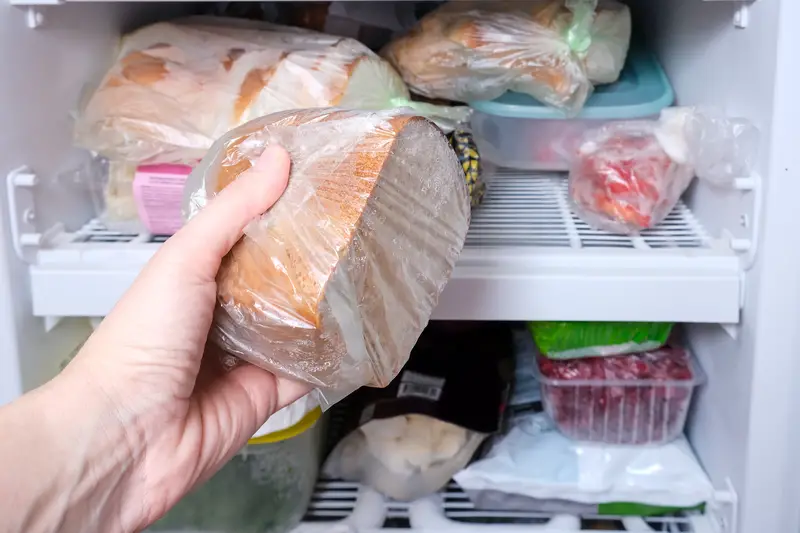
Most people think the refrigerator keeps everything fresh longer, but bread is one surprising exception to this rule. That cold environment actually makes bread go stale faster than leaving it on your counter! The science behind bread storage is more complicated than most realize, and making the wrong choice can turn a perfectly good loaf into a disappointing disappointment within days.
Cold temperatures speed up the staling process
When bread sits in your refrigerator, something called starch retrogradation happens much faster than at room temperature. Think of it like this: the starch molecules in bread start out organized, then get jumbled up during baking, and slowly try to reorganize themselves as the bread cools. This reorganization process is what makes bread go stale, and cold temperatures make it happen way faster than it should.
The temperature range of a typical refrigerator – around 35 to 40 degrees Fahrenheit – creates the perfect storm for rapid staling. Research shows that bread stored in the fridge becomes noticeably harder and drier within just 24 hours. Even if you wrap it tightly in plastic or foil, the cold temperature still accelerates the chemical changes that make bread lose its soft, fresh texture.
Your fridge is too dry for bread
Refrigerators are designed to remove moisture from the air to prevent bacterial growth, but this dry environment is terrible for bread. Professional bakers understand that bread needs some humidity to maintain its texture and prevent it from drying out too quickly. When you store bread in the fridge, the dry air sucks moisture right out of the loaf, leaving you with something that feels more like cardboard than food.
Even crusty artisan breads suffer in the refrigerator, though for different reasons. Baker Randy George explains that the dry refrigerator air can penetrate through plastic bags and paper wrapping, making any type of bread dry out faster than it would at room temperature. The combination of cold temperature and low humidity creates a double problem that ruins bread texture quickly.
Room temperature storage works better for most breads
Keeping bread on your kitchen counter in a paper bag or bread box gives much better results than refrigeration. Room temperature allows the staling process to happen at its natural, slower pace, giving you several more days of enjoyable bread. For soft sandwich breads, keeping them in their original plastic bag at room temperature prevents moisture loss while avoiding the rapid staling that happens in cold temperatures.
Crusty bakery breads do best when stored cut-side down on a cutting board or tucked back into their paper bag. This method protects the exposed areas while allowing the crust to maintain its texture. Most breads will stay fresh for three to four days this way, compared to becoming stale overnight in the refrigerator.
Freezing actually preserves bread better than refrigerating
Here’s something that surprises most people: freezing bread works much better than refrigerating it. When bread freezes completely, all the chemical processes that cause staling stop entirely. The starch molecules can’t move around and reorganize when they’re frozen solid, so your bread stays in whatever state it was when you put it in the freezer. This means a fresh loaf stays fresh, and you can keep it for months without quality loss.
The key to successful bread freezing is proper wrapping and quick freezing. Wrap your bread tightly in plastic wrap or put it in a freezer bag with as much air removed as possible. Tests show that frozen bread, when thawed and reheated properly, can taste almost as good as fresh bread. You can freeze whole loaves, half loaves, or individual slices depending on how quickly you typically use bread.
Plastic bags trap moisture but don’t prevent temperature damage
Many people think wrapping bread tightly in plastic will protect it from refrigerator damage, but this only solves half the problem. While plastic wrap or bags do help prevent moisture loss, they can’t stop the temperature-related staling that happens in the fridge. The cold temperature still causes those starch molecules to reorganize quickly, even when moisture levels stay constant.
Plastic wrapping can actually make some problems worse when combined with refrigeration. Condensation can form inside the plastic when you take cold bread out of the fridge, making the crust soggy while the inside remains stale and hard. Professional bakers recommend avoiding this combination entirely and choosing either room temperature storage with appropriate wrapping or freezing for longer-term storage.
Different bread types have different storage needs
Soft sandwich breads like Wonder Bread or Pepperidge Farm loaves do best in their original plastic bags at room temperature. These breads are made with preservatives and have higher moisture content, so they can last a week or more without refrigeration. Store-bought bagels and English muffins also fall into this category – they’ll stay fresh longer on your counter than in your fridge.
Crusty artisan breads need different treatment because their appeal comes from textural contrast between the crispy crust and soft interior. Refrigeration ruins this contrast by making the crust chewy and the interior dense. These breads should be stored in paper bags or cut-side down on a cutting board, and they’re best consumed within two to three days.
Bread boxes provide the ideal storage environment
A quality bread box creates the perfect balance of airflow and humidity that bread needs to stay fresh. These containers allow just enough air circulation to prevent mold growth while maintaining enough moisture to keep bread soft. The enclosed space also protects bread from light and temperature fluctuations that can speed up staling. Many bread boxes have small ventilation holes specifically designed to create this ideal microenvironment.
For extra protection, you can store bread in its original packaging inside the bread box. This double-layer approach gives you the moisture control of the original wrapping plus the stable environment of the bread box. This method can extend bread freshness by several days compared to either storage method alone, and it works for both soft and crusty breads.
Reheating can reverse some refrigerator damage
If you accidentally stored bread in the refrigerator and it’s gone stale, all hope isn’t lost. Gentle reheating in a 350-degree oven for about 10 minutes can partially reverse the starch retrogradation that causes staleness. The heat breaks down some of the reorganized starch molecules and can restore a softer texture, though the bread won’t be quite as good as it was when fresh.
For crusty breads, adding a small pan of water to the oven while reheating creates steam that can help restore some crispness to the crust. This technique works best on bread that was properly wrapped during refrigerator storage, since severe moisture loss can’t be completely reversed. However, even slightly stale bread can be transformed into something enjoyable with the right reheating approach.
Split storage maximizes freshness and convenience
Smart bread storage involves using multiple methods based on how quickly you eat bread. Keep a few days’ worth of slices in a bread box or paper bag on your counter for immediate use, while freezing the rest of the loaf for later. This approach gives you the convenience of ready-to-eat bread without the pressure of finishing an entire loaf before it goes stale.
When you’re ready for more bread, simply move a few slices from freezer to counter the night before you need them. They’ll thaw naturally and be ready to use in the morning. This method reduces waste while ensuring you always have fresh-tasting bread available, and it works especially well for households that don’t eat bread every day.
Understanding proper bread storage can save money and reduce food waste while ensuring you always have good bread available. Skip the refrigerator entirely and choose room temperature storage for short-term use or freezing for longer storage. Your sandwiches and toast will thank you for keeping that bread soft and delicious.
